
Lieferung heute & morgen

Qualitätsgarantie

Willkommens-Angebote freischalten: KOSTENLOSE Lieferung | Bis zu 80 % RABATT | Kostenlose 30-Tage-JoyPlus-Testphase
App herunterladen
Choosing a yoga mat can be overwhelming given the vast array of materials, thicknesses, and surface textures. However, the right mat is the foundation for a safe and effective practice, whether for yoga, Pilates, or general fitness exercises. This guide is designed to help you understand the features of different mats and make an informed decision that meets your individual needs. We present objective criteria and a selection of products to make your choice easier.
Before you decide on a model, there are several key features to consider. These factors determine how well a mat will support your practice and how durable it will be.
The material directly impacts the mat's grip, cushioning, weight, and maintenance.
A mat's thickness affects both comfort and stability. A 6 mm yoga mat is considered a versatile standard. It provides enough cushioning to protect joints like the knees and hips during floor-based poses, yet it's thin enough to allow for a stable footing in balancing postures. Thinner mats (3-4 mm) offer more ground-feel, while thicker mats (8-10 mm) are primarily used for static exercises or as a dedicated exercise mat.
A non-slip yoga mat is a key safety feature. The grip prevents your hands and feet from sliding in poses like Downward-Facing Dog. A mat's grip is determined by its material and surface texture. Dual-sided textures can provide hold on different floor types, while materials like cork can even improve their grip as you sweat. A good fitness mat or sport mat should always offer reliable traction.
Here is a selection of mats that cater to different needs and preferences. The descriptions are based on product data provided by the manufacturer.
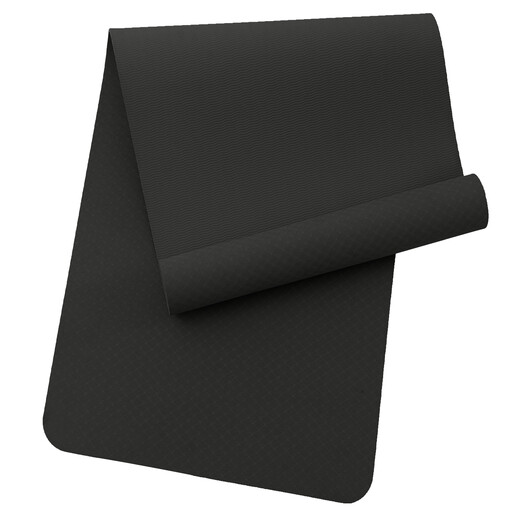
Why it stands out: This mat combines the popular 6 mm thickness with a dual-sided, non-slip texture. Made from TPE material, it is a versatile option for various types of training, from yoga and stretching to free weight workouts.
Advantages:
Who it's for: This model is suitable for beginners and advanced users looking for a lightweight, portable, all-around mat for training at home or in the studio. Its features make it a great choice for yoga, stretching, and general fitness.
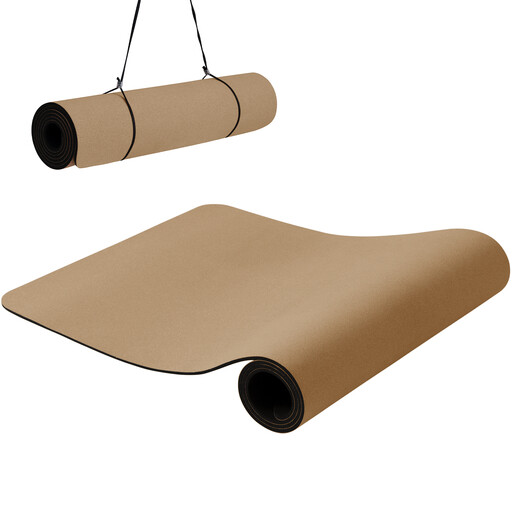
Why it stands out: This cork mat features a surface of compressed natural cork that absorbs moisture, which can improve grip during sweaty workouts. A middle layer of polyester mesh enhances tear resistance, while the TPE base provides cushioning.
Advantages:
Who it's for: This mat is an excellent option for yogis who tend to sweat and need a mat with enhanced grip in humid conditions. It also appeals to users who prefer a surface made from natural materials.
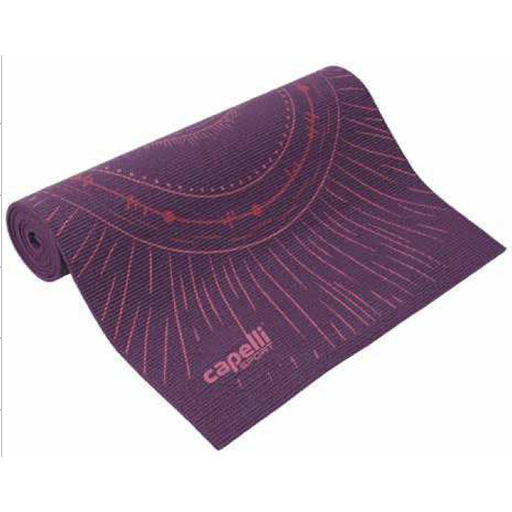
Why it stands out: This PVC Pilates mat is designed for durability and easy maintenance. Its textured surface is intended to ensure stability during various exercises. The all-over pattern also gives the mat a unique design.
Advantages:
Who it's for: Users looking for an especially robust and low-maintenance sport mat for a wide range of fitness activities will find this a suitable option. It is ideal for use at home or in a gym where high durability is required.
The products featured cover common requirements. However, if you are looking for different materials, thicknesses, or designs, there is a wider selection to explore.
? Explore more models in the Outdoor Sport Mat category here.
1. How do you clean a yoga mat properly? Most yoga mats can be cleaned with a damp cloth and, if necessary, a mild soap solution. It is important to let the mat air-dry completely before rolling it up again. Direct sunlight should be avoided as it can damage the material. Always follow the manufacturer's specific care instructions. Machine washing is not recommended for most mats.
2. What is the difference between a yoga mat and an exercise mat? Although the terms are often used interchangeably, there are functional differences. A yoga mat is typically thinner (3-6 mm) and designed for maximum grip to ensure stability in dynamic and static poses. An exercise mat is often thicker (8 mm and up) and focuses on heavy cushioning to protect the body during floor exercises or jumps, where grip may be less of a priority.
3. Is a thicker yoga mat always better? Not necessarily. A thicker mat offers more comfort and is easier on the joints, which is beneficial for restorative yoga or Pilates. However, for active yoga styles that include many balancing poses, a mat that is too thick can compromise stability by reducing your connection to the floor. A thickness of 6 mm represents a good compromise between cushioning and stability for many users.