
Lieferung heute & morgen

Qualitätsgarantie
App herunterladen
Kategorien
Preparing hot and cold drinks at home is supported by a wide array of specialised electrical appliances. These beverage makers range from the classic coffee machine to the modern plant-based milk maker. Choosing the right appliance depends on individual needs, desired beverage types, and technical specifications. This guide breaks down the essential criteria to consider when deciding on a beverage maker and showcases a selection of appliances with distinct areas of focus.
Your choice of beverage maker should be based on an analysis of objective parameters. The following technical aspects are crucial for making a well-informed selection.
First, define its primary use. Are you looking for an appliance for quick coffee brewing, for creating plant-based milk alternatives, or for heating water on the go?
The materials that come into contact with food are of critical importance.
Technical performance data determines the appliance's efficiency and ease of use.
Based on the aforementioned technical criteria, we are showcasing three appliances from different categories.
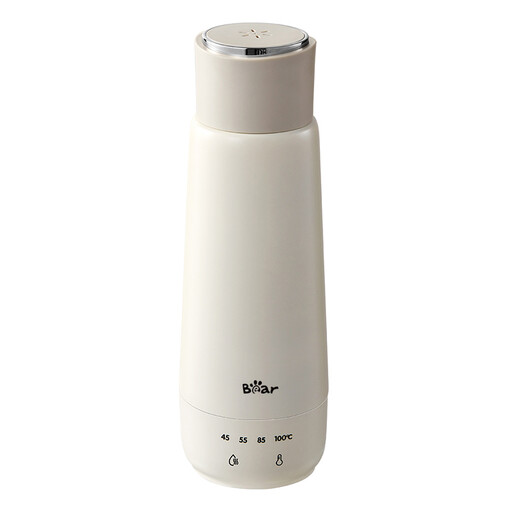
Why we recommend it: This appliance combines the functions of a kettle, a thermos, and a travel mug in a single, compact unit. The precise temperature control and light weight make it an ideal solution for use on the go.
Pros:
Who it's for: This product is suitable for professionals, students, and travellers who want to heat water to a specific temperature for tea, instant coffee, or baby formula while on the go or at the office.
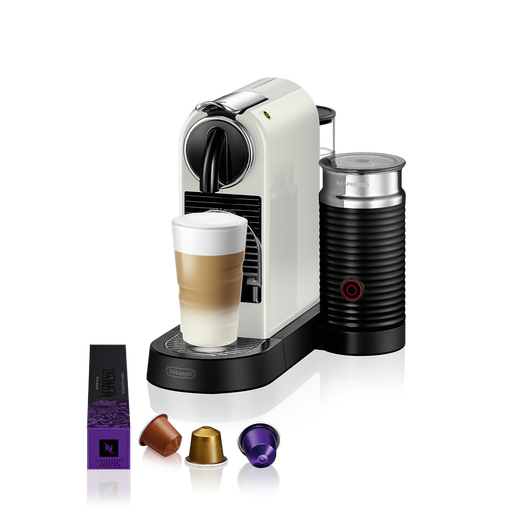
Why we recommend it: This capsule machine offers an integrated system for preparing espresso and milk-based coffee specialities. The high pump pressure and separate Aeroccino milk frother deliver consistent results with simple operation.
Pros:
Who it's for: This appliance is aimed at users who appreciate the convenience of a capsule system and want to prepare a variety of coffee specialities like cappuccino or latte macchiato at the touch of a button.
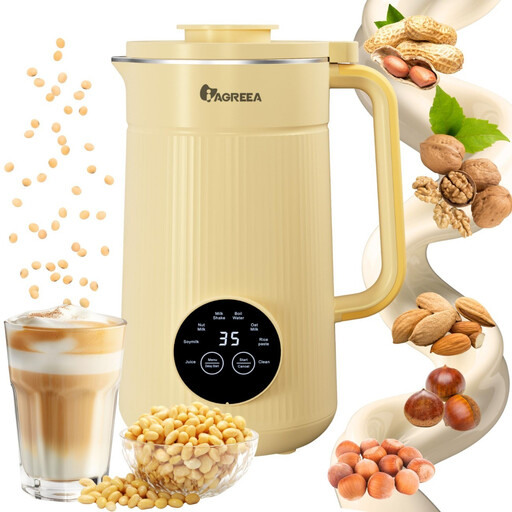
Why we recommend it: This plant-based milk maker stands out for its versatility and user-friendly automatic programmes. With a one-litre capacity and features like a delayed start timer and self-cleaning, it is designed for regular use in family households.
Pros:
Who it's for: Ideal for health-conscious households, families, and individuals with a vegan or lactose-intolerant lifestyle who value fresh, homemade, and additive-free plant-based drinks.
In addition to beverage preparation, there are other small kitchen appliances that can make daily life easier. For example, if you are looking for solutions to keep food warm, you might be interested in our Cake Warmers category.
1. What distinguishes a nut milk maker from a conventional blender? A nut milk maker combines a blending function with an integrated heating element. This allows ingredients like soybeans to be cooked directly in the appliance, which is necessary for making soy milk. Additionally, the programmes and blades are specially designed to create a very fine, smooth consistency without coarse particles. Many models also feature a self-cleaning function that uses heated water for easier cleanup.
2. What technical aspects should you look for in a capsule machine? A crucial technical specification is the pump pressure, measured in bar. For an authentic espresso machine, a pressure of at least 9 bar at the brew head is recommended; many machines operate with up to 19 bar to produce a dense crema. Other important aspects include the heat-up time, the size of the water tank, capsule compatibility, and whether a milk preparation system (steam wand or separate milk frother) is integrated.
3. What are the advantages of a dedicated travel kettle? A travel kettle is designed for portability and safety. It is typically a small kettle with a low capacity (often 0.3-0.5 litres) and a light weight. Key features include a leak-proof design, a durable housing (often stainless steel), and safety features like boil-dry and overheat protection. Some models support multiple voltages (e.g., 110-240V) for international use.