
Lieferung heute & morgen

Qualitätsgarantie

Willkommens-Angebote freischalten: KOSTENLOSE Lieferung | Bis zu 80 % RABATT | Kostenlose 30-Tage-JoyPlus-Testphase
App herunterladen
A quality beverage syrup can transform plain water into a refreshing drink, add a special touch to cocktails, or serve as a base for homemade soda. But the market is crowded, and not every product delivers on the promise of its colourful packaging. Many buyers only discover at home that the syrup tastes watery, runs out unexpectedly fast, or contains a list of unwanted additives.
As your Joybuy Product Recommendation Officer, I'm here to help you identify the typical pitfalls. Instead of being swayed by marketing promises, you should focus on objective criteria. Here are the three most common mistakes when buying beverage syrup and how to specifically avoid them.
To avoid a bad buy, a quick look at the label is often all it takes. Focus on three core aspects that determine quality and suitability.
The level of sweetness and the type of sweeteners used are crucial for both taste and calorie content. There are three main categories:
Check the ingredient list to see exactly what is sweetening your drink.
The yield of a syrup depends directly on its concentration. This value is indicated by the mixing ratio (e.g., 1:7 or 1:80).
A higher concentration ratio isn't universally better, but it is an important indicator of the actual cost per litre of the finished drink.
The ingredient list reveals whether a fruit syrup lives up to its name. Pay attention to the percentage of fruit juice or fruit juice concentrate. Products that only list "flavouring" often provide a less authentic taste.
The intended use also plays a role. A thick syrup is great for desserts but may not dissolve well in cold sparkling water. A thin soda maker syrup is specifically designed to mix quickly and evenly. For mixed drinks, a special cocktail syrup or an aromatic iced tea syrup might be the right choice, as their flavour profiles are balanced for combination with other ingredients.
Here are some recommendations tailored to different needs and use cases.
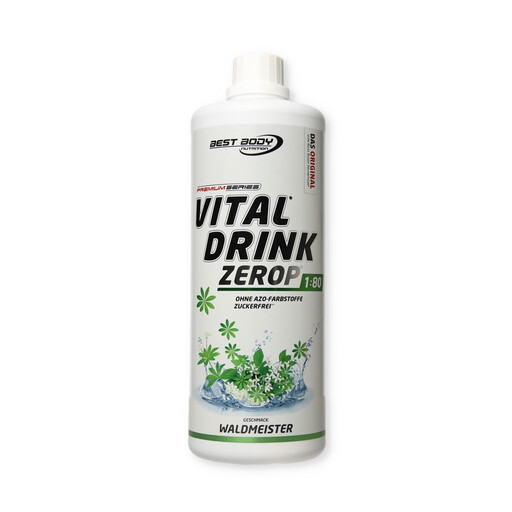
Why This Fits Their Persona: Ideal for athletes and anyone looking to reduce their sugar intake. This sugar-free syrup delivers flavour with added vitamins and is low in carbohydrates. Perfect for making daily water intake more enjoyable.
This product bypasses the sugar trap with a completely sugar-free formula. The high 1:80 mixing ratio ensures extreme yield, countering the pitfall of rapid consumption.
Highly concentrated (makes 80 litres of finished drink). Contains added vitamins (B1, B6, Niacin). Sugar- and aspartame-free.
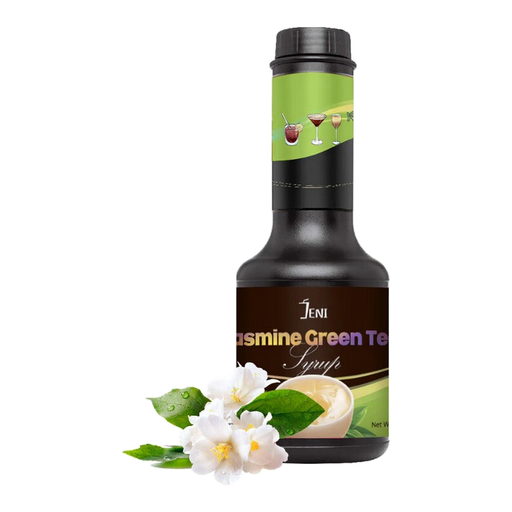
Why This Fits Their Persona: For those who love to experiment and create unique drinks. The floral, slightly tart aroma of jasmine tea provides an excellent base for sophisticated cocktails, mocktails, or homemade iced tea, setting it far apart from common fruit flavours.
This product avoids the limited versatility trap. Its unique flavour profile is specifically designed for creative applications, clearly distinguishing it from simple soda syrups.
Aromatic and distinctive flavour profile. Versatile for hot and cold beverages as well as desserts.
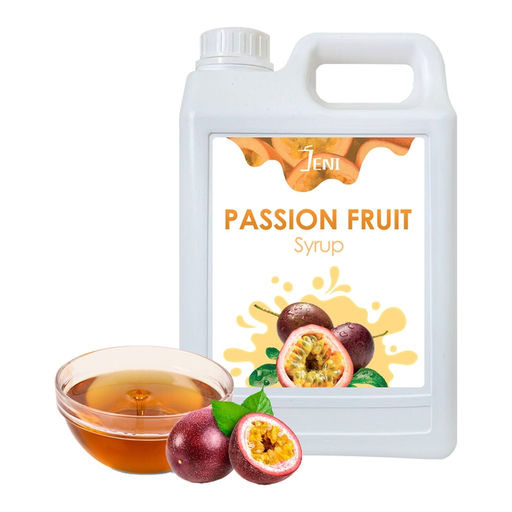
Why This Fits Their Persona: For daily use in families or for high-consumption scenarios, an economical solution is essential. This large bottle offers excellent value for money for the simple preparation of soft drinks. The popular passion fruit flavour is a hit with both kids and adults.
The bulk size is a direct answer to the misleading yield trap. It offers a large quantity at a fair price and is clearly positioned as a base for soft drinks, which keeps expectations about its versatility realistic.
Very economical due to the large 1.9-litre volume. Ideal for quick and easy preparation of refreshing drinks.
We have compiled a complete, up-to-date list of products that fully meet these strict selection criteria and local regulations.
No, it's important to follow the soda maker manufacturer's instructions. As a general rule, the syrup should always be added to the water after carbonating. Mixing syrup in before carbonating can cause excessive foaming and damage the appliance. Most thin syrups are suitable as a soda maker syrup as long as they are added after the carbonation process.
The shelf life after opening varies by product and sugar content. Syrups with high sugar content often last longer. As a general guideline: store opened syrup in a cool, dry place (refrigeration is often recommended) and consume within 4 to 8 weeks. Always follow the specific instructions on the product packaging.
A mixing ratio of 1:80 indicates how concentrated the syrup is. It means you mix one part syrup with 80 parts water to create the finished drink. For example, you would mix 5 ml of syrup with 400 ml of water (5 x 80 = 400). Such concentrates are extremely high-yield and economical to use.