
Lieferung heute & morgen

Qualitätsgarantie

Willkommens-Angebote freischalten: KOSTENLOSE Lieferung | Bis zu 80 % RABATT | Kostenlose 30-Tage-JoyPlus-Testphase
App herunterladen
As your Joybuy Product Recommendation Officer, I'm here to help you navigate the growing market for beverage syrups. Many people are looking for an alternative to pre-made sodas and juices—whether to save money, reduce their sugar intake, or avoid plastic waste. This guide outlines objective criteria for your selection and presents a range of products that cater to different needs.
Choosing the right syrup depends on your personal preferences and goals. The following points will help you make an informed decision.
A crucial factor is the type of sweetener used. Products can be roughly divided into three categories:
Check the ingredients list to determine which sweeteners are used and whether they are suitable for you.
The yield, often indicated as a mixing ratio (e.g., 1:7 or 1:80), determines how many litres of finished beverage you can make from one bottle of beverage concentrate. A highly concentrated syrup might seem more expensive at purchase, but it can be significantly more cost-effective per litre of drink. Calculate the price per litre of the finished beverage to compare the true costs.
Consider what you will primarily use the syrup for. Are you looking for a syrup for soda makers to enhance sparkling water? Or do you need a versatile cocktail syrup for mixed drinks? Some products are specifically designed as a soda syrup for use with carbonation devices, while others are universally suitable for still water, desserts, or baking.
Here is a selection of products that cover various user profiles.
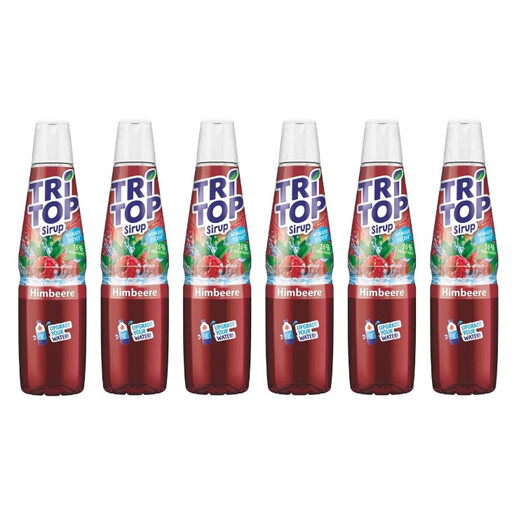
Why It Stands Out: TRi TOP is an established brand known for its fruity taste. This version, made with sour cherry juice concentrate, features a reduced-sugar formula that preserves the classic flavour.
Pros:
Who Is It For? For families and individuals looking for a versatile and flavourful syrup with reduced sugar content who appreciate a classic fruit taste.
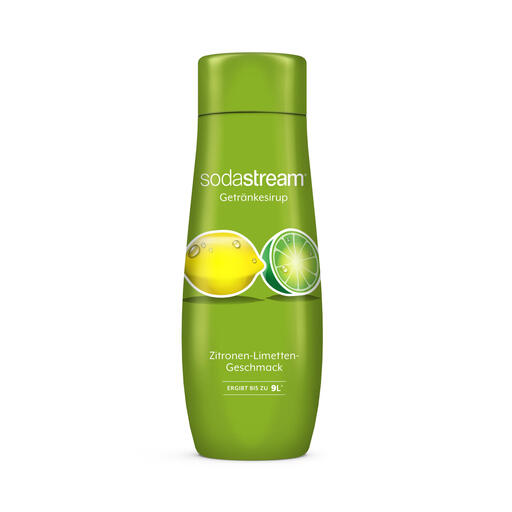
Why It Stands Out: This syrup is specially designed for use with SodaStream soda makers to create a classic soft drink experience at home.
Pros:
Who Is It For? For soda maker owners who want a simple and quick way to create popular soda flavours at home.

Why It Stands Out: This beverage concentrate is specifically formulated for a sugar-free, low-calorie diet and offers an extremely high yield.
Pros:
Who Is It For? For health-conscious and budget-conscious consumers, athletes, or anyone looking to minimise their sugar intake and seeking a high-yield, sugar-free concentrate. It is also suitable for soda makers.
The selection presented here covers only a small part of the available range. Tastes vary, and you might be looking for a completely different flavour or a special organic option.
If you'd like to compare more alternatives, you can find a wider selection in our broader product category.
? Discover the entire range of beverage syrups here
1. How long does opened syrup last? After opening, most syrups should be stored in the refrigerator and consumed within a few weeks. Sugar-free versions may have a shorter shelf life due to the lack of sugar, which acts as a preservative. Always follow the specific instructions from the manufacturer on the packaging.
2. Can you use any syrup with a soda maker? Generally, yes, but there is a crucial usage tip: always add the syrup to the water after carbonating. Adding syrup before carbonation can cause excessive foaming and damage the machine. Some syrups, like those from SodaStream, are specifically optimised in their viscosity for easy mixing with sparkling water.