
Lieferung heute & morgen

Qualitätsgarantie
App herunterladen
Kategorien
A BHA toner contains Beta Hydroxy Acid (BHA). The most common BHA used in cosmetics is salicylic acid. Its chemical structure makes it oil-soluble, a property fundamental to its mechanism of action. Unlike water-soluble acids, salicylic acid can penetrate into pores filled with sebum (oil) and dead skin cells. There, it works to dissolve this congestion from within. This process of chemical peeling, also known as exfoliation, helps reduce the appearance of blemishes and enlarged pores. A clarifying toner with BHA is therefore a key component in a skincare routine, especially for those with oily or blemish-prone skin.
The selection of a suitable exfoliating toner should be based on an analysis of its technical specifications. The following parameters are relevant for making an informed decision.
The efficacy of a BHA product correlates directly with the concentration of the active ingredient. In the European Union, concentrations of up to 2% salicylic acid are permitted for over-the-counter cosmetic products.
The pH of the toner is a critical factor for the bioavailability of the salicylic acid. For optimal exfoliation, the product's pH must be in the acidic range, ideally between 3 and 4. A pH level that is too high (above 4) neutralises the acid and significantly reduces its efficacy. Manufacturers rarely state this value directly, but formulations from established brands are typically optimised for this effective range.
The base in which the salicylic acid is dissolved, as well as other ingredients, determine the toner's tolerability and additional skincare benefits.
Based on an analysis of product formulations and their specific use cases, we present a selection of BHA toners.
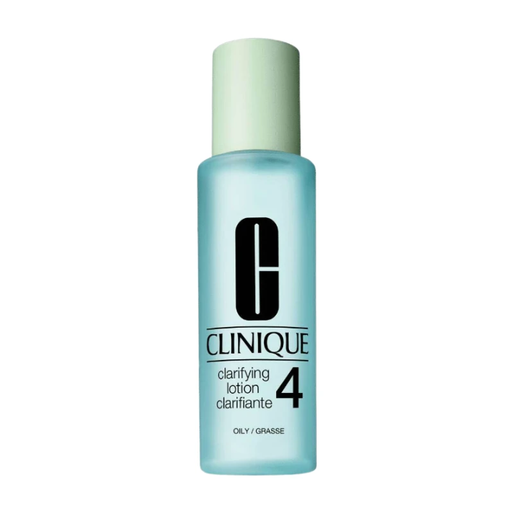
Why we recommend this product: This product is designed for maximum efficacy on very oily skin. The formulation contains salicylic acid in combination with Alcohol Denat. This composition provides intensive degreasing of the skin's surface and effective cleansing of the pores. The included Witch Hazel supports the astringent effect.
Pros:
Best for: Individuals with a robust, very oily skin type (Type 4 according to the Clinique classification) who are looking for a strong clarifying and degreasing effect and whose skin is not sensitive to alcohol.
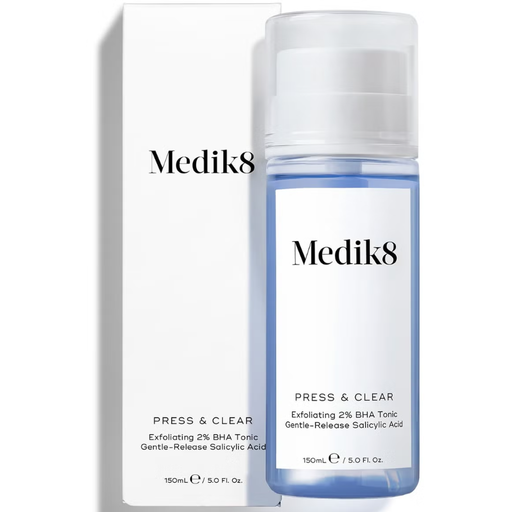
Why we recommend this product: This product uses an advanced encapsulation technology for its 2% salicylic acid. This allows for a slow, controlled release of the active ingredient into the skin, which significantly reduces the potential for irritation. The addition of 2% tranexamic acid also addresses the appearance of post-blemish marks. The formula is free of denatured alcohol and contains soothing ingredients like Aloe Vera.
Pros:
Best for: Individuals with all skin types, including sensitive and blemish-prone skin, who are looking for a high-potency 2% BHA solution but prefer a gentle application. A toner for oily skin that also works for sensitive conditions.
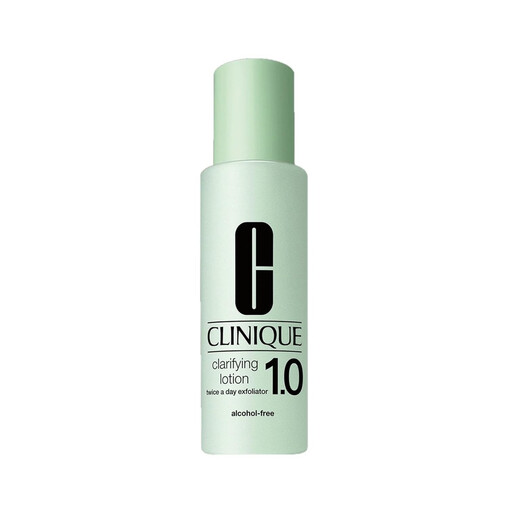
Why we recommend this product: The Clarifying Lotion 1.0 is an alcohol-free version within the Clinique product line. It combines salicylic acid with hydrating and soothing ingredients like Acetyl Glucosamine and Sodium Hyaluronate. This allows for mild exfoliation without stressing the skin barrier, making it an option for more sensitive skin conditions.
Pros:
Best for: Individuals with sensitive, dry, or combination skin who want to leverage the benefits of an anti-blemish toner but need or prefer to avoid alcohol in their skincare.
The products featured cover specific use cases. If your requirements differ or you wish to compare a broader range of exfoliating toners and other formulations, the main category offers more options. There you will find a comprehensive selection of facial waters and toners tailored to various skin needs and preferences.
1. How often should you use a BHA toner? The frequency of use depends on the product's concentration and your individual skin tolerance. It is recommended to start by applying it every two to three days and observing your skin's reaction. If it is well-tolerated, the frequency can be slowly increased to daily use, unless otherwise specified by the manufacturer. Always watch for signs of over-exfoliation, such as redness, dryness, or irritation.
2. Can BHA be combined with other active ingredients? Yes, combination is possible but requires some knowledge. BHA pairs well with hydrating ingredients like hyaluronic acid and soothing substances like niacinamide. Caution is advised when using it simultaneously with other potent active ingredients. Combining it with retinoids (Vitamin A) or other acids (e.g., AHAs, L-Ascorbic Acid) in the same routine can increase the risk of irritation. An alternating application (e.g., BHA in the morning, retinol in the evening) is a safer strategy.
3. What is the difference between BHA and AHA? The main difference lies in their solubility. BHA (salicylic acid) is oil-soluble and can penetrate deep into the pores to dissolve sebum and congestion. It is therefore ideal for oily and acne-prone skin. AHA (Alpha Hydroxy Acids like glycolic or lactic acid) are water-soluble. They work primarily on the skin's surface, where they dissolve the bonds between dead skin cells, thereby improving skin texture and reducing fine lines and hyperpigmentation. AHAs are well-suited for normal to dry, sun-damaged skin.