
Lieferung heute & morgen

Qualitätsgarantie

Willkommens-Angebote freischalten: KOSTENLOSE Lieferung | Bis zu 80 % RABATT | Kostenlose 30-Tage-JoyPlus-Testphase
App herunterladen
A Bialetti espresso maker represents more than just coffee; it's a piece of the Italian lifestyle for your home. The signature gurgle, the aroma of fresh moka—this is a ritual cherished by coffee lovers worldwide. However, the purchasing process has several pitfalls that can quickly lead to frustration and buyer's remorse. Before you invest, you should know the typical hurdles to ensure your new Bialetti moka pot is the perfect fit for you and your kitchen.
The two most common problems are incompatibility with modern kitchen appliances and a misjudgment of size. Many buyers only discover at home that their new, gleaming stovetop pot doesn’t work on their induction hob. Another widespread misconception relates to the volume: a "6-cup pot" does not yield six large mugs of coffee, but an amount that often comes as a surprise to those accustomed to standard coffee servings.
To ensure you select the right model, three fundamental parameters should be checked. These objective criteria will help you distinguish marketing promises from actual functionality.
The most important criterion is compatibility with your type of stovetop. Classic models like the Moka Express are made of aluminium and are not suitable for induction hobs.
The choice of material affects not only the appearance and durability but also the care and stovetop compatibility.
The size specification in cups is one of the biggest sources of misunderstanding. The unit of measurement refers to small Italian espresso cups with a capacity of about 30–50 ml (1–1.7 oz).
Measure your usual drinking vessel before buying to find the right size for your needs.
Instead of presenting a confusing list, we have matched models to three typical user profiles.
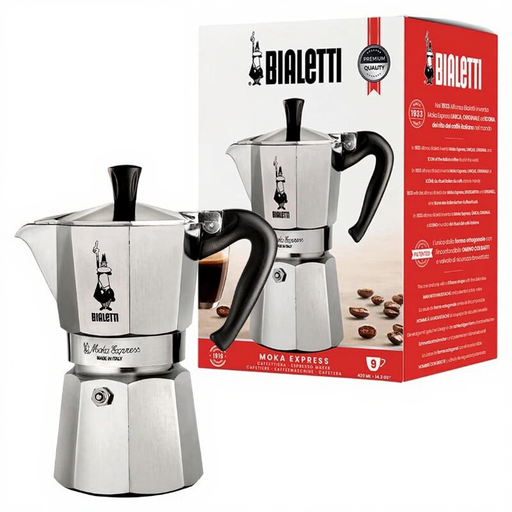
Why this model fits: Ideal for users with gas or electric stoves who seek the authentic, time-tested coffee experience proven since 1933. The octagonal design is an icon, and the aluminium body ensures traditional flavour development.
This model is clearly declared for non-induction stoves. The 3-cup size (approx. 130 ml) is perfect for a strong morning coffee without setting false expectations.
Lightweight aluminium body and patented safety valve. Develops a flavour-enhancing patina over time.
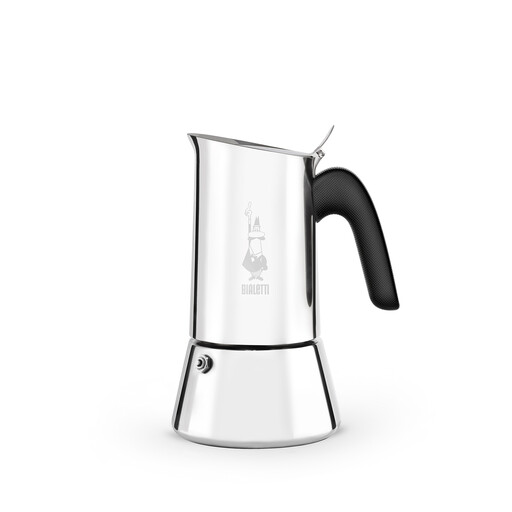
Why this model fits: For coffee lovers with induction hobs who prefer a modern design and low-maintenance materials. The elegant, curved shape blends seamlessly into modern kitchens.
Directly solves the compatibility problem: The stainless steel base is explicitly designed for induction hobs. The robust construction avoids the typical maintenance mistakes associated with aluminium.
Suitable for all stovetop types, including induction. Made from durable stainless steel with a heat-resistant, ergonomic handle.
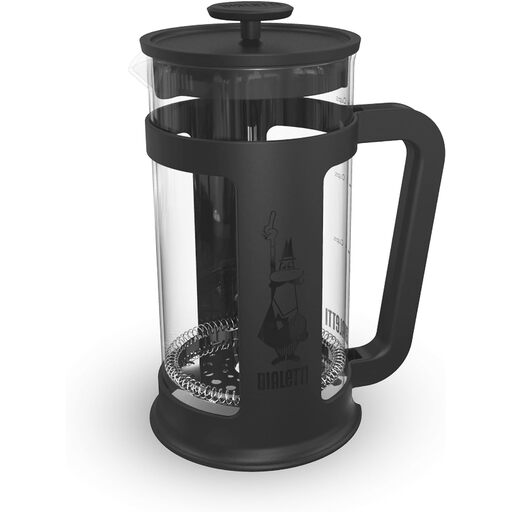
Why this model fits: A French Press is the alternative for anyone who doesn't want to be tied to a specific stovetop. It's perfect for use at home, in the office, or as a robust camping coffee maker.
Completely bypasses the stovetop compatibility issue, as it only requires hot water. The 350 ml volume is clearly defined and corresponds to a large cup of coffee.
Stovetop-independent brewing. Also suitable for preparing tea. The stainless steel body is durable and designed for portable use.
We have compiled a complete, up-to-date list of products that fully meet these strict selection criteria and safety standards.
The proper cleaning method depends on the material. Aluminium models (like the Moka Express) should only be rinsed with warm water after cooling and dried thoroughly. Do not use detergents or abrasive sponges, as they can remove the protective patina. Stainless steel models (like the Venus) are less sensitive. Although some parts may be dishwasher-safe, Bialetti generally recommends hand-washing to preserve the gaskets and the surface finish.
An induction hob generates heat through a magnetic field. For this to work, the base of the cookware must be made of a ferromagnetic material. Traditional aluminium espresso makers are not magnetic and therefore are not detected by the hob. When buying, look explicitly for the "suitable for induction" label or choose a stainless steel model.
The cup rating on a Bialetti refers to Italian espresso cups (approx. 40 ml or 1.4 oz per cup). A 3-cup pot thus yields about 120 ml (4 oz) of finished coffee, which is equivalent to a small coffee cup. A 6-cup pot produces around 250 ml (8.5 oz), which is close to a standard coffee mug. Plan accordingly to choose the right size for you.