
Lieferung heute & morgen

Qualitätsgarantie

Willkommens-Angebote freischalten: KOSTENLOSE Lieferung | Bis zu 80 % RABATT | Kostenlose 30-Tage-JoyPlus-Testphase
App herunterladen
A Bialetti stovetop espresso maker is more than just a kitchen appliance; it's a symbol of Italian coffee culture and a ritual for many coffee lovers. The octagonal shape of the Moka Express is recognized worldwide, promising a strong, aromatic coffee reminiscent of an espresso. However, when choosing the right moka pot, there are a few typical pitfalls that can lead to disappointment.
As your Joybuy Product Recommendation Officer, I'm here to help you navigate these challenges. We'll focus on the facts so you can make an informed decision and find the Italian coffee maker that truly suits you and your kitchen.
Before we dive into the details, let's clear up three common misconceptions that often lead to a bad purchase:
To find the right Bialetti moka pot, you should focus on three core features. These will help you make a choice based on objective criteria.
The capacity of a moka pot is specified in espresso cups. Before you decide on a size, consider how you typically drink your coffee.
Measure your favorite cup to estimate how many "Bialetti cups" you'll need for one serving.
The material determines not only the look but, more importantly, on which type of stove the stovetop moka pot can be used.
The principle of making your own espresso is simple with all Bialetti models: fill with water, add ground coffee to the funnel filter, screw it tight, and heat. The crucial factor for a long lifespan and consistent taste is proper care. An original Bialetti moka pot features a patented safety valve that is inspectable and easy to clean. Remember: aluminum models should only be rinsed with plain water to preserve the patina that contributes to the aroma.
Here are some recommendations tailored to different needs and kitchen setups.
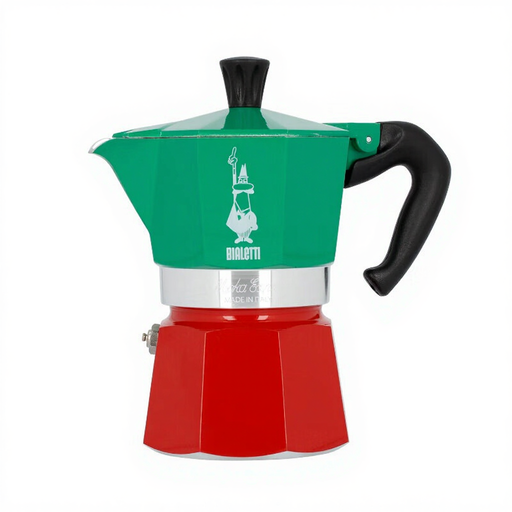
Why This Fits Their Persona: This model is the epitome of the Italian coffee ritual. The 3-cup size is ideal for daily use, whether for a strong coffee in the morning or two small espressos. The classic design is functional and timeless.
The product description makes it clear that it's for 3 espresso cups and is designed for gas and electric stoves. This directly prevents the most common purchasing mistakes (wrong size, wrong stove type).
Made of durable aluminum; features the patented and easy-to-clean safety valve; iconic design, proven since 1933.
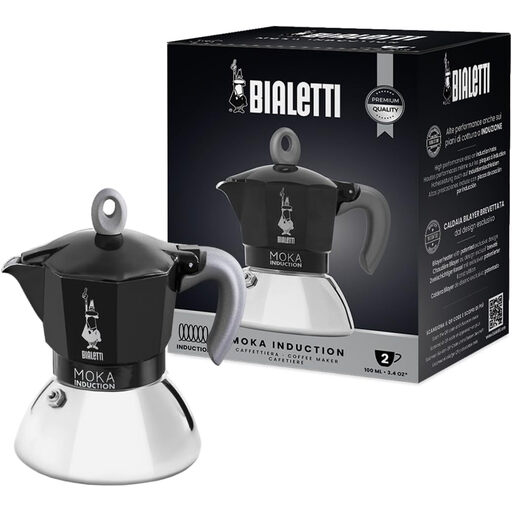
Why This Fits Their Persona: For anyone who loves the moka principle but has a modern kitchen with an induction hob. This model combines the classic octagonal design with modern technology without compromising on taste.
This model is explicitly designed for induction stoves, solving the compatibility problem without the need for a cumbersome adapter plate. The name "Moka Induction" says it all.
Bi-layer technology with a stainless steel boiler for perfect heat distribution on induction; retains the classic aluminum top for the traditional aroma; suitable for all stove types.
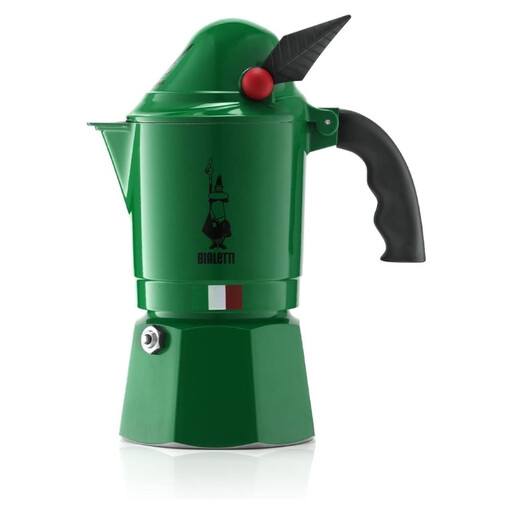
Why This Fits Their Persona: For those seeking a functional kitchen appliance that is also a design statement. The Alpina model is a tribute to Italy's mountain troops and a real eye-catcher in any kitchen.
Although it's a special edition, the same basic principles apply. The recommendation clarifies that it's a 3-cup size for gas and electric stoves (and for induction with an adapter), eliminating the usual uncertainties.
Unique, collectible design inspired by the Alpini; combines the proven functionality of the Moka Express with a piece of Italian history and culture.
Now that you've found the perfect coffee maker, all that's missing is the right cup for an authentic experience.
An authentic Italian coffee deserves a matching cup. Explore our curated selection to complete your coffee experience.
1. How do I properly clean my aluminum Bialetti moka pot? After it has cooled down, rinse all parts with warm water only. Do not use detergent and never put the pot in the dishwasher. Allow all parts to air dry completely before reassembling.
2. What is the ideal coffee grind size for a Bialetti moka pot? The ideal grind is medium to medium-fine. The coffee grounds should be slightly coarser than for a portafilter espresso machine but finer than for filter coffee. A grind that is too fine can clog the filter and block water flow, resulting in an over-extracted, bitter coffee.