
Lieferung heute & morgen

Qualitätsgarantie

Willkommens-Angebote freischalten: KOSTENLOSE Lieferung | Bis zu 80 % RABATT | Kostenlose 30-Tage-JoyPlus-Testphase
App herunterladen
A Bialetti Moka Express espresso maker is compact, manual to use and does not require a power supply. Even so, buyers often encounter misunderstandings: “3 cups” does not mean three large mugs, a classic aluminium pot does not work directly on every induction hob, and shiny surfaces reveal little about how practical a product really is for everyday use.
As a Joybuy Product Recommendation Officer, I assess the relevant product data and explain what shoppers in Germany should look for when choosing a Bialetti moka pot, a moka pot or another Italian espresso maker.
With a stovetop coffee maker, the cup rating usually refers to small Italian espresso cups. A Bialetti Moka Express 1 cup holds approximately 40 to 60 ml, depending on the model, while a 3-cup version makes around 130 to 150 ml of coffee. The 6-cup version in this selection is specified as holding 270 ml.
So, if you want a large cup of filter coffee in the morning, you should not automatically choose a 1-cup or 3-cup pot. A moka pot is filled for its intended quantity, and many models are not designed to make partial portions.
The traditional Moka Express is made from aluminium. This material is suitable for gas, electric and ceramic hobs, but is not normally detected by an induction hob on its own. A Bialetti adapter plate may be an option, but it adds another step when cooking and must be compatible with your hob.
For an espresso maker for induction, a model with a stainless steel base or clearly stated induction compatibility is the more reliable choice. The product description should not simply say “suitable for all hob types”; it should explicitly confirm induction compatibility.
Several Bialetti models specify cleaning with clean water and without aggressive cleaning products. According to the available product data, the classic Moka Express is not dishwasher-safe. Detergent residue, high temperatures and moisture around the threads or seals can affect how the pot performs.
Once the pot has cooled, unscrew the individual parts, rinse them and dry them thoroughly. The safety valve opening should remain clear and should be checked occasionally.
Many classic Bialetti Moka Express aluminium models are suitable for gas, electric and ceramic hobs. For an induction hob, however, models such as the Bialetti Moka Induction or the Bialetti Venus are worth considering. The Moka Induction combines an aluminium upper body with a stainless steel boiler and is described as suitable for induction hobs.
The Bialetti Venus is specified as being made from 18/10 stainless steel. This material is corrosion-resistant and designed for use with various hob types. Nevertheless, you should check the product page and instructions before buying, as hob compatibility can vary depending on the model and size.
Base your choice on the amount you actually need:
The term “espresso” is commonly used for moka pot coffee. Technically, the coffee is brewed using water pressure created by steam and hot water, but not at the high pump pressure of a portafilter machine. The result is a strong moka-style or espresso-style coffee.
Aluminium is lightweight and is often used in classic Bialetti pots. An ergonomic handle makes pouring easier, while an easily accessible safety valve is part of the intended product design. When heating the pot, the handle should not be positioned above the flame or directly next to a hot cooking zone.
To brew, fill the lower chamber with water up to the safety valve mark. Add the ground coffee loosely to the filter without pressing it down firmly. Then close the pot and heat it at a moderate temperature. Once the typical brewing process is complete, turn off the heat.
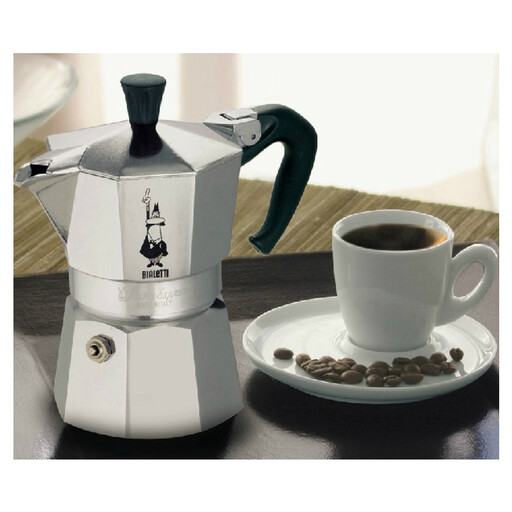
Why this product suits this profile: The compact aluminium pot is suitable for individuals, small kitchens and use on the go. The stated capacity is 60 ml.
The clear 1-cup specification reduces the risk of buying a pot that is too large for a single portion. It is not designed for induction without a suitable adapter solution.
Manual operation, reusable filter and suitability for gas, electric and ceramic hobs according to the product details.
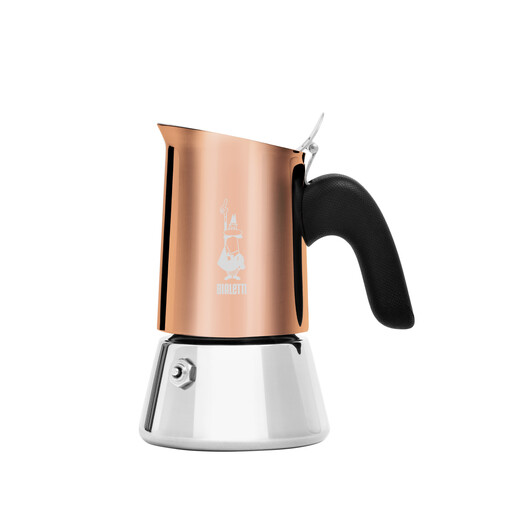
Why this product suits this profile: The stainless steel construction and stated suitability for all hob types, including induction, appeal to shoppers who prioritise material quality and compatibility.
The explicitly stated induction compatibility prevents the common mistake of ordering a pure aluminium stovetop pot for an induction hob.
18/10 stainless steel, 2-cup format and manual brewing without electrical components.
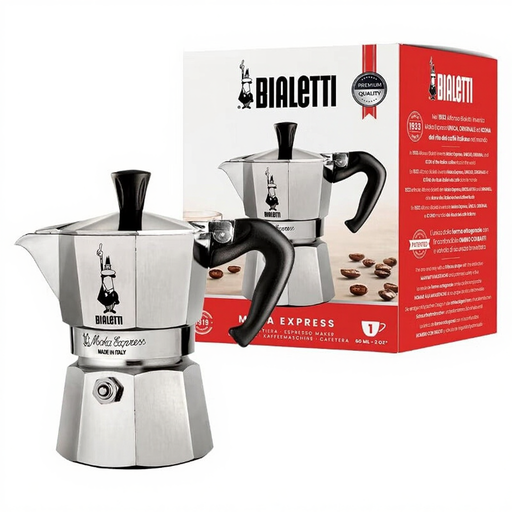
Why this product suits this profile: With a capacity of 270 ml, this pot is suitable for several people, office kitchens or households where several portions are prepared regularly.
The specific 6-cup and 270 ml specifications make portion planning straightforward. The pot is not suitable for induction or dishwasher cleaning.
Aluminium body, octagonal design and suitability for gas, ceramic and electric hobs according to the product description.
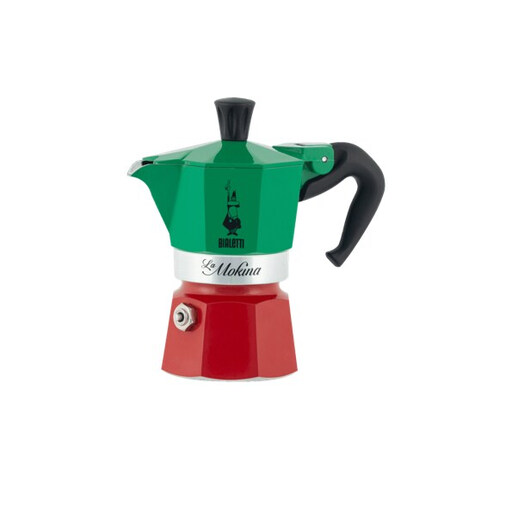
Why this product suits this profile: The 40 ml aluminium format takes up little space and is designed for a small portion on a suitable gas, electric or ceramic hob.
The product details explicitly state “not suitable for induction”. This makes it easy to choose the pot for compatible heat sources.
40 ml capacity, removable design and Italian origin according to the product description.
We have put together a complete, regularly updated list of products that fully meet these strict selection criteria and the safety regulations applicable in the EU.
A Bialetti espresso maker is not designed for coffee pods or whole beans. You need suitably ground coffee. The sealing ring and filter screen are wear parts; if the seal starts to deteriorate or the brewing process changes, check the pot and replace it with a suitable spare part if necessary.
The classic aluminium Moka Express is not designed for direct use on induction. On an induction hob, you will need either a suitable adapter plate or a model explicitly designed for induction, such as the Bialetti Moka Induction or certain Venus versions. The relevant product description should be the deciding factor before you buy.
The cup rating refers to small Italian portions. For example, a 1-cup pot can produce 40 to 60 ml, a 3-cup version around 130 to 150 ml, and the 6-cup pot described here 270 ml. A larger model may therefore be needed for large mugs.
Its service life depends on the material, the condition of the seal, the heat source and how well it is cared for. A manual stovetop pot has no electric pump or electronics. Regularly rinsing it with water, drying it thoroughly and replacing the seal or filter screen in good time can help extend its useful life. Do not continue using the pot if it has cracks, a damaged handle or a faulty safety valve.