
Lieferung heute & morgen

Qualitätsgarantie

Willkommens-Angebote freischalten: KOSTENLOSE Lieferung | Bis zu 80 % RABATT | Kostenlose 30-Tage-JoyPlus-Testphase
App herunterladen
A Bialetti Moka Express looks straightforward at first: add water, fill with ground coffee, put it on the hob and wait. But it’s easy to make the wrong choice when buying one. Many people focus on colour and shape, overlooking hob compatibility, the actual cup size or the care it requires.
If you’re looking for an Italian coffee maker for everyday use, there are three common pitfalls to avoid:
Before you buy, check the product description against the hob you have. Classic aluminium Bialetti Moka Express models are suitable for gas and electric hobs. Some versions are also listed as suitable for ceramic hobs. Aluminium alone, however, isn’t suitable for induction.
If you’re looking for an induction-compatible stove-top espresso maker, choose a stainless steel model such as the Bialetti Venus Induction. Its stainless steel construction makes it suitable for compatible induction hobs. Always check the manufacturer’s information for the specific model, as product versions can vary.
The 1, 3 or 6-cup capacity refers to small moka or espresso cups. As a practical guide:
It’s best to use a moka pot to make the amount it’s designed for. Many models can’t reliably make smaller quantities, as the filter, funnel and water chamber are designed for the full capacity.
Classic Bialetti coffee pots are often made from food-grade aluminium alloy. Aluminium heats up quickly, but needs to be cleaned gently. Hand washing is recommended for the models mentioned here; harsh cleaning products and dishwashers can damage the surface and components.
The Bialetti Venus is made from 18/10 stainless steel. It’s designed for use on different types of hob and is durable enough for everyday use. Here, too, cleaning with plain water is recommended. Before each use, check the seal, filter and safety valve.
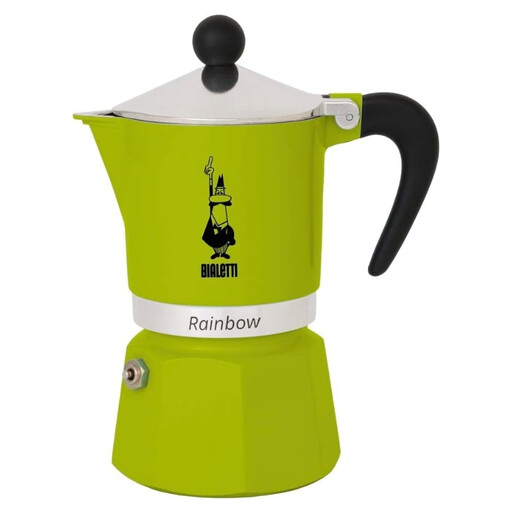
Why this product is a good fit: The 3-cup size is a practical middle ground for individuals and couples. It’s designed for gas, electric and ceramic hobs, but not induction.
The hob compatibility and capacity are clearly listed, so you can check before buying whether the pot suits your hob and how much coffee you drink.
Aluminium body, removable water tank and manual brewing with no electricity needed.
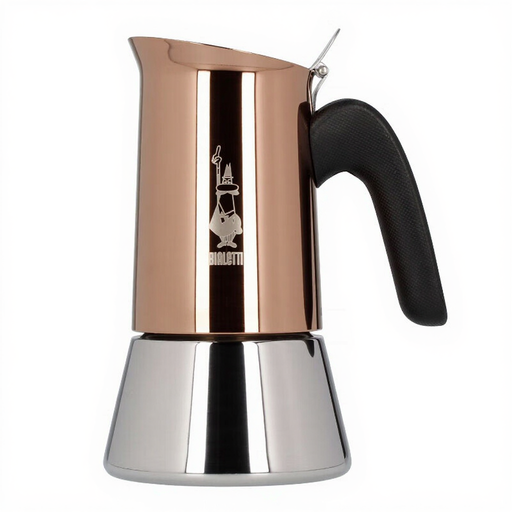
Why this product is a good fit: This stainless steel model combines the manual brewing of a moka pot with a design suitable for gas and induction hobs.
Hob compatibility is central to choosing this model. If you have an induction hob, you won’t accidentally end up with a classic aluminium pot.
18/10 stainless steel, 4-cup capacity and reusable filter.
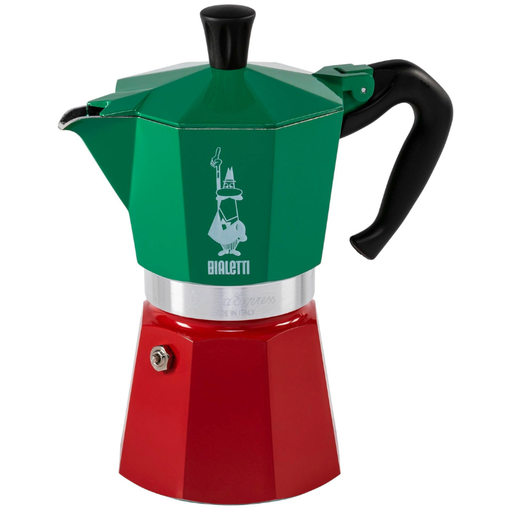
Why this product is a good fit: The 6-cup version is ideal for several people or households that often make multiple servings.
The larger capacity means you’re less likely to need to put on several small pots one after another. This aluminium model isn’t suitable for induction.
Makes up to six small cups, with a heat-resistant silicone handle and safety valve.

Why this product is a good fit: If you’d prefer a larger pot of filter coffee to brewing by hand in a moka pot, this electric machine holds 1.5 litres and makes up to 12 cups.
You won’t end up with a moka pot that’s too small if you regularly need several cups of filter coffee. The machine is designed for 230 volts.
Timer, keep-warm plate, removable filter holder and automatic shut-off.
We’ve put together a complete, regularly updated list of products that meet these strict selection criteria and fully comply with the safety regulations in force in the EU.
To use a classic Bialetti Moka Express, fill the lower chamber with water up to the safety mark. Loosely fill the filter with ground coffee, without pressing it down. Screw the parts together, then heat the pot over a medium heat. Once the upper chamber is full and you hear the characteristic sound, take the pot off the hob.
It’s also important to:
Classic aluminium versions aren’t suitable for induction. If you’re looking for an induction-compatible stove-top espresso maker, choose a stainless steel model that’s specifically listed as suitable, such as the Bialetti Venus.
The capacity refers to small moka or espresso cups. Depending on the model, the amount may be considerably less than the volume of a large coffee mug. That’s why the specific capacity in millilitres is more useful than the cup count.
There’s no single answer, as its lifespan depends on how often it’s used, how it’s cleaned, the heat it’s exposed to and the condition of the seal, filter and safety valve. If you notice visible damage or unusual pressure, stop using the pot and have it checked or replace it.