
Lieferung heute & morgen

Qualitätsgarantie

Willkommens-Angebote freischalten: KOSTENLOSE Lieferung | Bis zu 80 % RABATT | Kostenlose 30-Tage-JoyPlus-Testphase
App herunterladen
A Bialetti moka pot is more than just a kitchen appliance; it's a symbol of Italian coffee culture. For decades, the iconic moka pot has made it possible to brew strong, aromatic coffee on your own stovetop. However, choosing the right model can be a challenge given the different materials and stovetop compatibilities. The question of whether a moka pot is suitable for induction is particularly crucial for many.
This guide is designed to give you a clear overview of the most important Bialetti models. We analyse the differences between materials, explain how they work on various types of hobs, and present a selection of models to help you make an informed purchasing decision.
Choosing the right moka pot depends on your personal preferences and your kitchen setup. Two factors are especially important: the material and compatibility with your stovetop.
The original Bialetti Moka Express is made of aluminium. This material is lightweight and an excellent heat conductor, which ensures a fast and even extraction. Over time, a patina forms on the inside, which many aficionados believe enhances the coffee's flavour. To preserve this layer, aluminium pots should only be cleaned by hand and without detergent.
A stainless steel moka pot like the Bialetti Venus offers a modern alternative. Stainless steel is more durable, corrosion-resistant, and non-reactive, so it won't affect the taste of your coffee. Stainless steel models are often suitable for all hob types, including induction, and feature an elegant, polished design. Cleaning is straightforward, although most manufacturers recommend hand washing to ensure the product's longevity.
This is the crucial technical aspect. Classic aluminium moka pots work on gas and electric hobs. For an induction hob, however, you need a moka pot for induction. These models have a ferromagnetic base that can absorb energy from the induction field. When buying, look explicitly for the "suitable for induction" label or check the product description. Bialetti offers special induction models or adapter plates that allow aluminium pots to be used on induction stovetops.
Here is a detailed look at three popular models that cater to different needs and preferences.
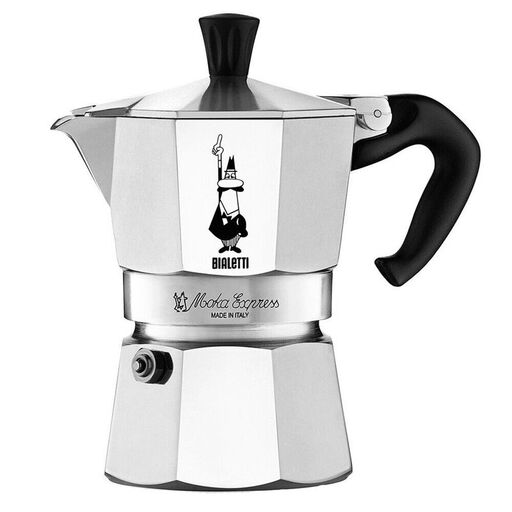
Why It Stands Out: The Moka Express is the original and a design icon since 1933. Its octagonal shape is recognised worldwide and represents the traditional Italian coffee pot. It embodies the classic art of stovetop coffee preparation.
Advantages:
Who it's for: For purists and fans of traditional Italian coffee culture who own a gas or electric hob. It is the right choice for anyone who appreciates the authentic ritual and classic taste. Not suitable for induction hobs.
View Details for the Bialetti Moka Express
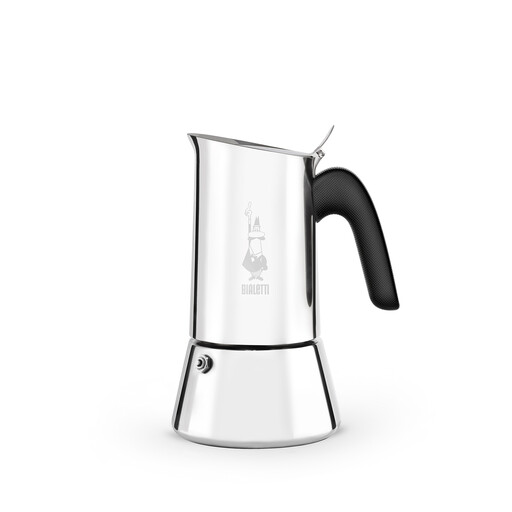
Why It Stands Out: The New Venus combines proven Bialetti functionality with a modern, elegant stainless steel design. It is specifically designed as a moka pot for induction and fits perfectly into modern kitchens.
Advantages:
Who it's for: For design-conscious coffee drinkers with a modern induction hob. The Venus is ideal for anyone seeking Bialetti's reliability in a contemporary and low-maintenance package.
View Details for the Bialetti New Venus
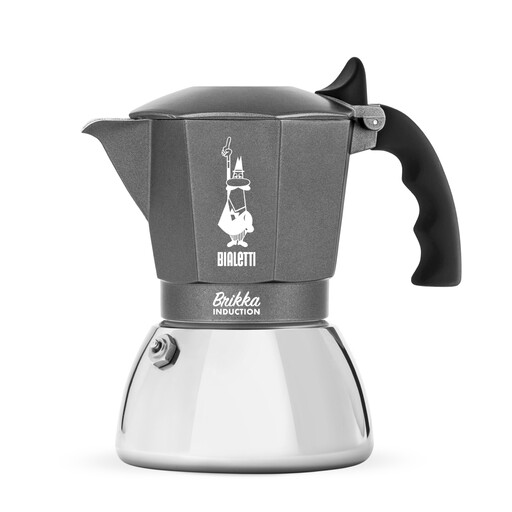
Why It Stands Out: The Bialetti Brikka is a technical evolution of the classic moka pot. It features a special pressure valve that builds up higher pressure, producing a coffee with a rich, hazelnut-coloured foam layer reminiscent of the crema from a portafilter espresso machine. This model is also optimised for induction hobs.
Advantages:
Who it's for: For discerning coffee connoisseurs who want to get closer to the experience of a portafilter espresso but prefer the simplicity of a moka pot. Ideal for induction hob users who value a crema-like layer on their coffee.
View Details for the Bialetti Brikka Induction
The world of coffee preparation is diverse. If the models presented here don't exactly match what you're looking for, or if you want to explore other brewing methods, you can find a wider selection of products for every taste and need in our Coffee & Tea Pots category.
1. How do you properly clean a Bialetti moka pot? For aluminium models like the Moka Express, it is recommended to rinse them with only warm water after they have cooled down and dry them with a cloth. Do not use detergent, as it will damage the protective patina. Stainless steel models like the Venus are less sensitive, but hand washing is still recommended to protect the gaskets and the material itself.
2. Why doesn't my moka pot work on an induction hob? An induction hob uses a magnetic field to generate heat. This only works with cookware that has a ferromagnetic base. Classic moka pots made of pure aluminium are not magnetic and therefore not induction-compatible. Look for models that are explicitly labelled as "induction-compatible," such as the Bialetti Venus or Brikka Induction.
3. What is the ideal grind size for a moka pot? Use a medium grind. The coffee should be ground slightly coarser than for a portafilter machine but finer than for a drip coffee maker. A grind that is too fine can clog the filter and prevent the water from rising properly, which can result in a bitter or burnt taste.