
Lieferung heute & morgen

Qualitätsgarantie

Willkommens-Angebote freischalten: KOSTENLOSE Lieferung | Bis zu 80 % RABATT | Kostenlose 30-Tage-JoyPlus-Testphase
App herunterladen
A Bialetti moka pot is more than just a kitchen appliance; it's a symbol of Italian coffee culture and a ritual for many coffee lovers. But when choosing the right moka pot, there are several pitfalls that can lead to disappointment and a bad purchase. Before you decide on a model, it's crucial to understand the key features that often get lost in the marketing hype.
This guide will help you avoid the most common mistakes and find the Italian coffee maker that perfectly fits your needs and your kitchen setup.
Many buyers focus on design or price, overlooking technical details that are crucial for daily use. These three points are the most common sources of dissatisfaction:
To find the right Bialetti moka pot, you should focus on three objective criteria: material, size, and compatibility with your stovetop.
The choice of material affects not only the look but also the function and maintenance.
Don't measure your needs in cups, but in millilitres. As a guide:
Consider how much coffee you typically prepare at once. Under-filling a pot that's too large will lead to a suboptimal result, as the pressure won't build up correctly.
Before buying, be sure to check what type of hob you have.
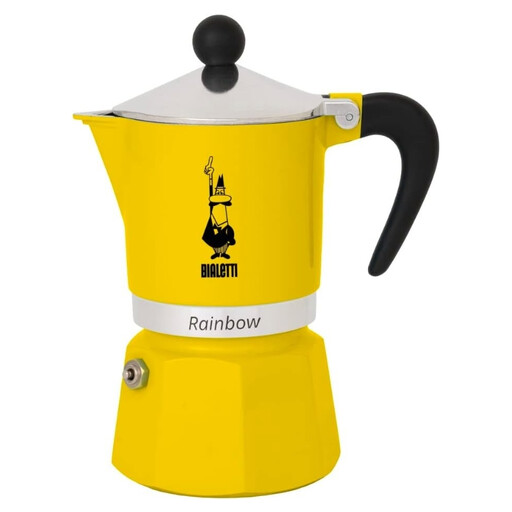
Why it's a great fit: Ideal for those who celebrate the classic moka ritual while adding a splash of colour to their kitchen. It combines the proven technology of the Moka Express with a modern, cheerful design.
The product description clearly indicates its 3-cup capacity and suitability for gas/electric hobs. Incompatibility with induction is explicitly mentioned, preventing incorrect purchases.
Classic Moka Express construction from food-safe aluminium alloy for authentic flavour, combined with a unique design.
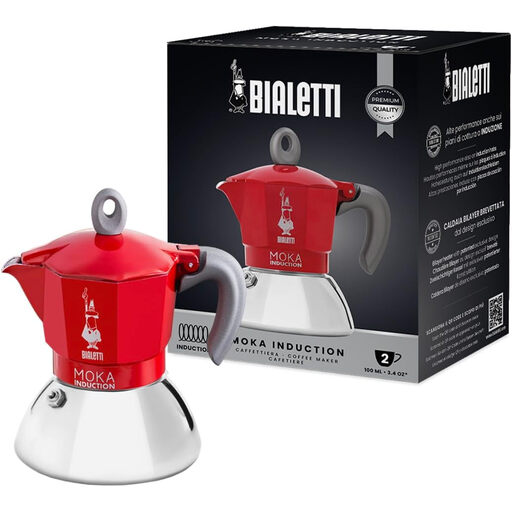
Why it's a great fit: The solution for anyone with a modern induction hob. This model was specifically designed to bring the traditional moka experience to induction stovetops without needing an adapter.
This product directly solves the induction trap. Its name and description highlight its compatibility with all hob types, especially induction.
The bi-layer technology, with a stainless steel boiler and an aluminium collection chamber, combines induction suitability with the traditional brewing method.
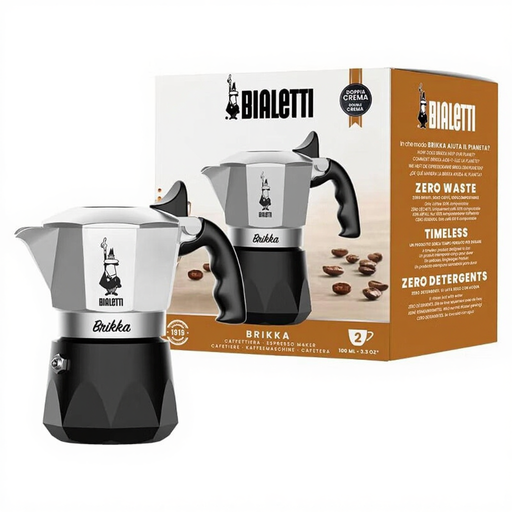
Why it's a great fit: For coffee drinkers who want a moka coffee with a rich crema, closer to what you'd get in a café. The Brikka is the answer to this desire in a stovetop pot format.
This model avoids the disappointment of a missing crema. It is explicitly marketed for its pressure valve system, which is designed to produce a crema.
The patented dual-valve pressure system generates higher pressure than a standard moka pot, resulting in a fuller body and a visible layer of crema.
We've compiled a complete, up-to-date list of products that fully meet these strict selection criteria.
An aluminium Bialetti moka pot should be rinsed only by hand with clear, warm water. Do not use detergent and never put the pot in the dishwasher. This would destroy the protective inner patina and damage the aluminium, which can affect the coffee's taste. After cleaning, allow all parts to dry thoroughly before reassembling.
A bitter taste can have several causes. The most common are:
A 3-cup moka pot from Bialetti has a capacity of approx. 130 ml. This corresponds to three small Italian espresso cups. For a typical coffee mug (approx. 150-200 ml), this amount is ideal for a single person.