
Lieferung heute & morgen

Qualitätsgarantie

Willkommens-Angebote freischalten: KOSTENLOSE Lieferung | Bis zu 80 % RABATT | Kostenlose 30-Tage-JoyPlus-Testphase
App herunterladen
Choosing a suitable bicycle helmet can be a challenge given the vast array of models, features, and designs. However, a helmet is an indispensable piece of safety equipment, whether for your daily commute, a mountain bike tour, or skating in the park. This guide is designed to help you make an informed decision by outlining objective criteria for selecting a helmet that meets your needs for safety, comfort, and functionality.
To find the right protective helmet, it's helpful to consider a few fundamental aspects. The following points provide a framework for your selection.
A helmet can only perform its protective function fully if it fits correctly. It should sit firmly on your head without wobbling or creating pressure points. To determine the right size, measure your head circumference at its widest point, about one centimetre above your eyebrows. Most manufacturers list their helmet sizes in centimetres (e.g., 54–58 cm). Many models feature a rear adjustment system, usually a dial, which allows for fine-tuning the fit. The chin straps should also be adjusted to be snug but not constricting.
The helmet should match your primary activity. A mountain bike helmet often has extended coverage at the back of the head and temples to offer better protection on rough terrain. For commuters and urban riders, a bicycle helmet with a light can significantly improve visibility in traffic. An integrated or detachable visor protects the eyes from sun, wind, and insects, which is particularly beneficial for wearers of an e-bike helmet at higher speeds. For versatile athletes who also skateboard or inline skate, a certified skateboard helmet is a robust option that is often approved for multiple sports.
Most modern bicycle helmets are made using the in-mould process, where the polycarbonate outer shell is fused directly with the shock-absorbing EPS (expanded polystyrene) foam. This results in a lightweight yet very stable structure. Sturdy hard-shell helmets, often with an outer shell made of ABS plastic, are also common, especially for skate and multi-sport helmets. Look for recognised safety certifications like CPSC (U.S. Consumer Product Safety Commission) or ASTM (American Society for Testing and Materials), which confirm that the helmet has passed standardised safety tests.
Here is a selection of helmets that stand out with specific features for different user groups.
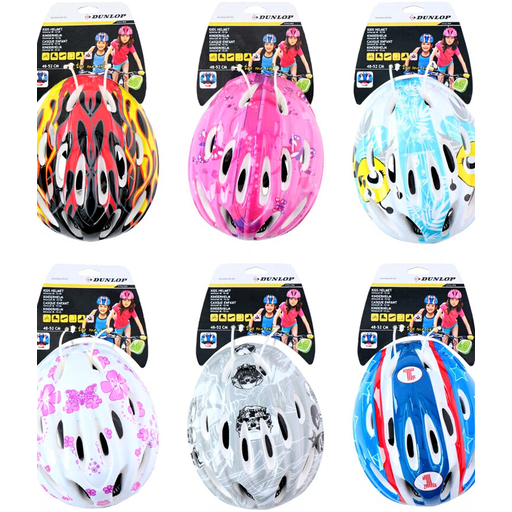
Why it stands out: This kids' bicycle helmet from Dunlop is specifically designed for young cyclists. It combines a lightweight build with a robust, shock-resistant construction to protect the head during everyday rides and adventures. It is delivered in a random colour for an element of surprise.
Pros:
Who it's for: This helmet is a great choice for active children who need a reliable and comfortable protective helmet for cycling or their first mountain biking experiences.
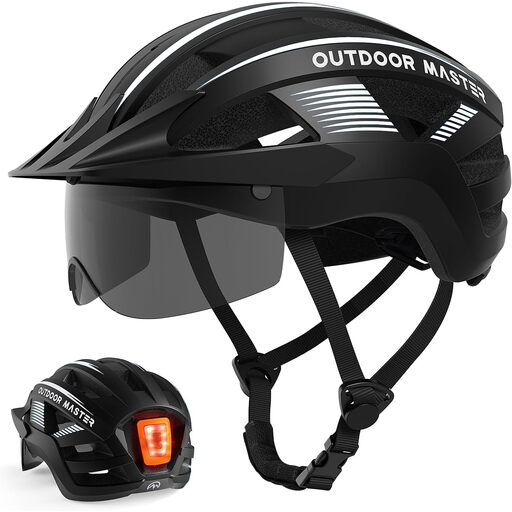
Why it stands out: The RhinoUrban is a multifunctional helmet that impresses with its integrated features. It includes a Type-C rechargeable rear light, magnetically detachable goggles, and an additional sun visor. The in-mould construction with a PC shell and EPS foam core ensures excellent shock absorption.
Pros:
Who it's for: Ideal for commuters, urban riders, and e-bike users looking for a helmet with integrated safety and comfort features for year-round use.
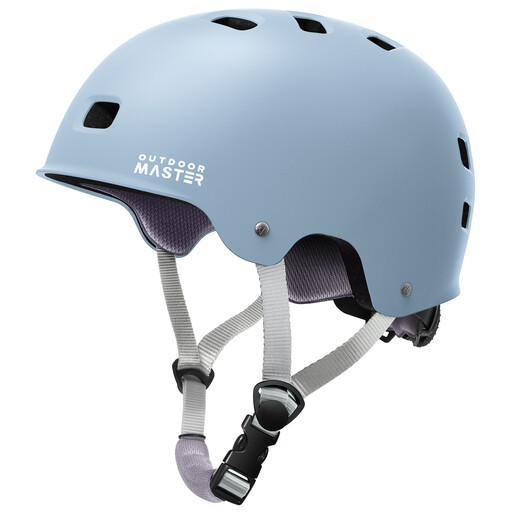
Why it stands out: The Oryx is designed as a robust skateboard helmet that is also suitable for many other sports like cycling, BMX, or inline skating. Its reinforced ABS outer shell and thick, shock-absorbing EPS core provide solid impact protection. A key feature is the two removable liners for different head sizes and easy cleaning.
Pros:
Who it's for: An excellent choice for kids aged 5 and up, teens, and adults seeking a versatile and durable helmet for various urban sports.
The models presented already cover a broad spectrum of needs. However, if you are looking for more specialised designs or different colours, you might find just what you need in our comprehensive collection.
Discover our entire selection of urban bicycle helmets
Measure your head circumference with a flexible tape measure at its widest point, about a finger's width above your eyebrows and ears. Compare the result with the manufacturer's size chart. A well-fitting helmet should sit level on your head and not move more than two centimetres back and forth when the chin strap is unbuckled.
A bicycle helmet should be replaced after any significant impact or fall, even if no external damage is visible. The internal protective structure made of EPS foam can be compressed by the impact, causing it to lose its shock-absorbing properties. Regardless of falls, it is recommended to replace a helmet every 3 to 5 years, as materials like plastics and foams can degrade over time due to UV radiation and environmental exposure, reducing their protective effectiveness.
Many multi-sport helmets, like the OutdoorMaster Oryx featured here, are certified for multiple activities, including cycling and skateboarding. They often provide more robust coverage, especially at the back of the head. However, for long bike tours or road racing, specialised bicycle helmets are often more suitable as they are typically lighter and have an optimised ventilation system for better aerodynamics and cooling. Always check the certifications of the specific helmet.