
Lieferung heute & morgen

Qualitätsgarantie

Willkommens-Angebote freischalten: KOSTENLOSE Lieferung | Bis zu 80 % RABATT | Kostenlose 30-Tage-JoyPlus-Testphase
App herunterladen
Choosing the right bicycle helmet can be a challenge given the vast array of models, features, and price points. A helmet is a crucial piece of safety equipment, but not every model delivers on its promises. An improper fit, a lack of safety certifications, or impractical extra features often lead to a purchase you'll regret. This guide will help you understand the essential criteria and make an informed decision.
Before we dive into the important features, you should be aware of three common problems that can occur when purchasing a bicycle helmet:
adjustable bicycle helmet is therefore essential.bicycle helmet with a light or other extras can increase visibility. However, some models integrate features that are impractical for everyday use—such as hard-to-reach charging ports or poorly ventilated designs. The balance between useful extras and fundamental properties like ventilation and weight is crucial.To avoid making a bad purchase, focus on the following three objective criteria. These form the basis for safety and comfort, regardless of brand or price.
The most important feature of any bicycle helmet is compliance with the DIN EN 1078 standard. This certificate confirms that the helmet meets basic requirements for shock absorption, construction, and the retention system (chin strap and buckle). The standard applies to helmets for cycling, skateboarding, and roller skating. When buying, explicitly look for the CE mark and the reference to this standard in the product description.
The helmet's construction affects its weight, ventilation, and durability. There are two main manufacturing processes:
city helmet or road bike helmet.MTB helmet or skate helmet.A helmet only provides optimal protection if it fits securely and comfortably. To find the right size, use a measuring tape to measure the circumference of your head at its widest point, about two centimetres above your eyebrows.
A good adjustment system consists of two components:
These adjustment options are crucial for a women's bicycle helmet, men's bicycle helmet, and especially for a kids' bicycle helmet, as they allow for a precise fit on different head shapes.
Based on the criteria mentioned, we have compiled a selection of models for typical use cases.
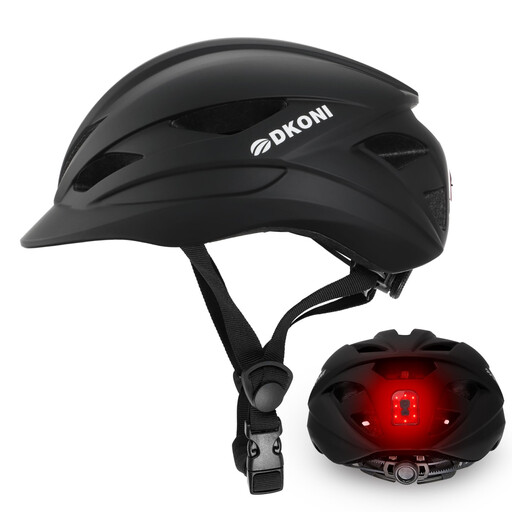
Why This Fits Their Persona: Ideal for the daily commute to work or around the city. The focus is on visibility in traffic and comfort for regular use. A practical `e-bike helmet` or `city helmet`.
Integrates a useful feature (light) without neglecting the basics. The in-mold construction ensures a low weight, and the 15 ventilation openings provide comfort.
Detachable, USB-rechargeable LED rear light (`bicycle helmet with USB rear light`) with two light modes for increased visibility.
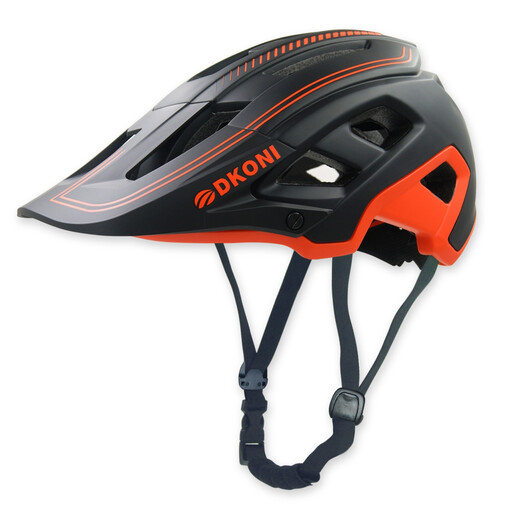
Why This Fits Their Persona: Designed for off-road riding. It offers extended coverage at the back of the head and a visor for protection against sun, rain, and branches. A solid entry-level `mountain bike helmet`.
Meets European and US safety standards and features a one-handed adjustment dial that ensures a precise fit, avoiding the fit pitfall.
Large, detachable visor made of durable ABS material and 17 ventilation openings for good cooling during exertion.

Why This Fits Their Persona: A versatile helmet for children and teens, suitable for cycling, skating, and scootering. Its adjustability allows it to adapt to growing heads.
Directly addresses the certification pitfall by listing multiple standards (CE1078, CPSC, ASTM). The robust ABS hardshell provides durable protection for versatile use.
Multi-sport certification makes it a flexible choice. The adjustment dial and various sizes (S, M, L) ensure a good fit for different age groups.
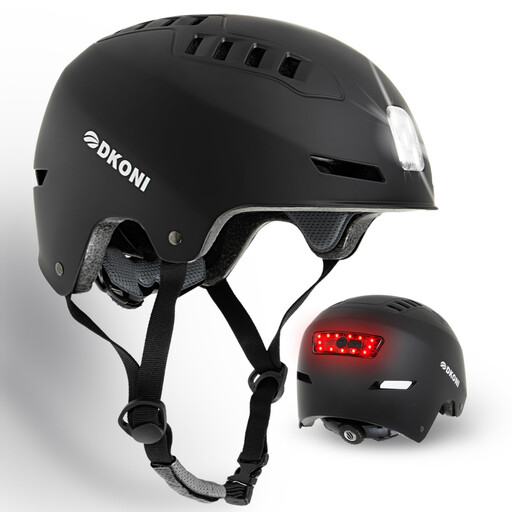
Why This Fits Their Persona: For cyclists who want maximum visibility in all light conditions. The combination of a front and rear light provides a 360-degree lighting solution.
Combines an advanced, useful feature (`bicycle helmet with LED lighting` front and rear) with certified safety, good ventilation (20 vents), and a precise adjustment system.
Integrated lighting system with 5 white LEDs in the front and 13 red LEDs in the back (4 modes). USB-rechargeable and optimized for urban use.
We have compiled a complete, up-to-date list of products that fully meet these strict selection criteria and German safety regulations.
A bicycle helmet should be replaced immediately after any significant impact, even if no external damage is visible. The internal EPS foam structure can become compressed and will no longer provide adequate protection. Regardless of falls, most manufacturers recommend replacement every 3 to 5 years, as materials like plastic and foam can degrade over time due to UV radiation and environmental factors, losing their protective qualities.
Use a flexible measuring tape and place it around the widest part of your head, about two centimetres above your eyebrows and ears. The value measured in centimetres is your head circumference. Compare this value with the manufacturer's size specifications (e.g., M: 54–58 cm). A well-fitting helmet does not move when you shake your head and sits level on your head. The adjustment dial at the back is used for fine-tuning.
MIPS (Multi-directional Impact Protection System) is an additional safety technology built into some helmets. It is a low-friction layer inside the helmet that allows for a slight rotation of the head relative to the helmet during an angled impact. This is intended to reduce the rotational forces acting on the brain. While any helmet with EN 1078 certification provides basic protection, MIPS can offer an additional layer of safety. The decision to opt for it depends on your personal safety standards, intended use (e.g., demanding mountain biking), and budget.