
Lieferung heute & morgen

Qualitätsgarantie

Willkommens-Angebote freischalten: KOSTENLOSE Lieferung | Bis zu 80 % RABATT | Kostenlose 30-Tage-JoyPlus-Testphase
App herunterladen
A well-fitting, certified bicycle helmet is an essential piece of gear for anyone riding a bike, skateboard, or scooter. However, with the vast number of models on the market, making a choice can be overwhelming. This article serves as a guide, presenting objective criteria to help you find a suitable helmet for your needs—whether for your daily commute, recreational activities, or your children's safety.
Three key aspects are crucial for your selection: safety certification, fit, and the intended use.
A helmet can only provide protection if it meets specific safety standards. In Europe, the CE EN 1078 norm is the benchmark standard for helmets for cyclists and for users of skateboards and roller skates. A CE-certified helmet has passed tests for shock absorption, construction, and the durability of the retention system. Therefore, always look for this label inside the helmet.
A helmet is only effective if it fits correctly. It should neither slip nor cause pressure points. To determine the right size, measure your head circumference with a measuring tape at its widest point, about one centimetre above your eyebrows. Modern helmets are typically adjustable. A dial at the back of the head allows for fine-tuning the fit, while adjustable side and chin straps ensure a secure position. A well-fitting helmet does not move when you shake your head, and the straps form a triangle around your ears.
The helmet should match your activities.
Here is a selection of models that cover a range of different needs.
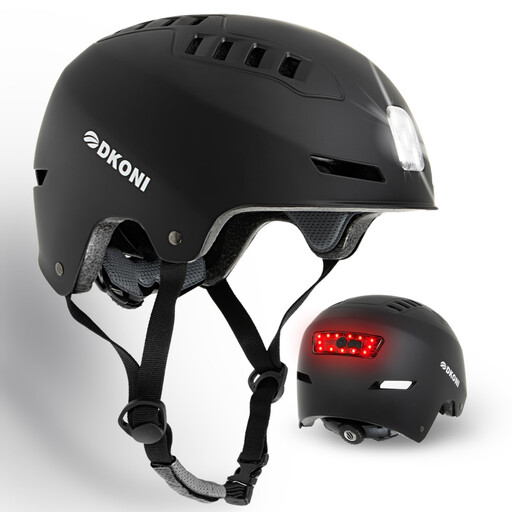
Why it stands out: This model is specifically designed for urban use. The integrated, USB-rechargeable LED system with front and rear lights ensures increased visibility in city traffic.
Pros:
Who it's for: This helmet is an excellent choice for commuters and everyday cyclists who value integrated lighting and certified safety.
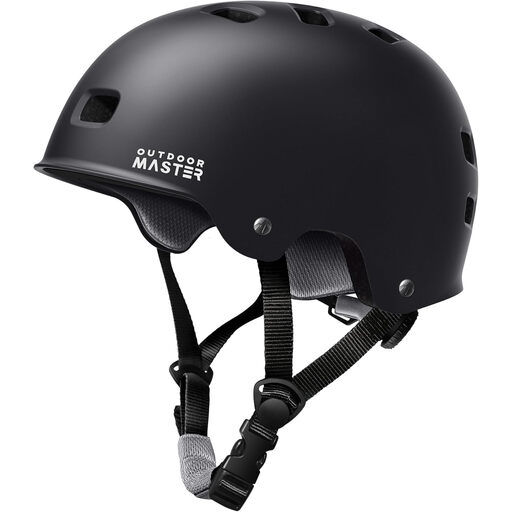
Why it stands out: The OutdoorMaster Oryx is designed as a durable multi-sport helmet. Its reinforced ABS outer shell and thick, shock-absorbing EPS core make it suitable for various activities like skating, cycling, and scootering.
Pros:
Who it's for: Ideal for individuals looking for a single helmet for multiple sports and who prefer a robust design.

Why it stands out: This kids' bicycle helmet focuses on safety and a fit that grows with the child. It is certified to multiple international standards and is available in various sizes to fit toddlers to young adults.
Pros:
Who it's for: A reliable option for parents seeking a safe and durable helmet for their children that can be used for various recreational activities.
If these recommendations don't include the perfect helmet for you, you can find a wider selection of models and accessories in our category.
? Discover more black bicycle accessories here
Measure the circumference of your head at its widest point, about a finger's width above your eyebrows and ears. The measuring tape should be snug but not tight. Compare the result in centimetres with the manufacturer's size chart (e.g., M: 54–58 cm). An adjustable helmet offers additional room for a precise fit.
A bicycle helmet should be replaced after any significant impact or fall, even if no external damage is visible. The impact can cause micro-fractures within the shock-absorbing material (usually EPS foam), which compromises its protective capabilities in a future accident. Regardless of falls, most manufacturers recommend replacing a helmet every 3 to 5 years, as the material can degrade over time due to UV radiation and environmental factors.