
Lieferung heute & morgen

Qualitätsgarantie

Willkommens-Angebote freischalten: KOSTENLOSE Lieferung | Bis zu 80 % RABATT | Kostenlose 30-Tage-JoyPlus-Testphase
App herunterladen
Bicycle lights need to do more on German roads than simply shine brightly. The right beam distribution, secure mounting and compliance with applicable regulations are all essential. However, when buying a bike light, many shoppers first look for particularly high lumen figures or eye-catching product descriptions. Important details such as approval, charging time or compatibility with the bicycle can easily be overlooked.
As a Joybuy Product Recommendation Officer, I have therefore organised the key information according to practical buying situations. This makes it easier to see whether a bicycle light set, separate front bicycle light, rear bicycle light or dynamo solution is right for your everyday needs.
A high brightness figure alone does not describe how the light reaches the road. For riding on public roads, controlled illumination is more important than producing the strongest possible beam. A bicycle light should make the road visible without unnecessarily dazzling other road users. Figures such as lux relate more closely to the illumination of a surface and are therefore more useful when assessing a front bicycle light for everyday use.
An LED bicycle light with a flashing function or a striking auxiliary light is not automatically a bicycle light approved under StVZO. For use on German roads, buyers should look for an explicit statement of StVZO compliance. A bicycle helmet with a light is also subject to different requirements from the prescribed bicycle lighting. A light strip on a helmet therefore does not automatically replace the front and rear lights on the bicycle.
A battery-powered bicycle light can be practical, but it needs to be charged regularly. For longer commutes, a battery indicator and runtime are important. The mount must also fit the handlebars or seat post. If you are buying a USB-C bicycle light, check whether a charging cable is included and whether the charging times fit your own usage pattern.
Look for a clear statement confirming StVZO approval. The product details for the OSRAM lights and the Prophete rear light mentioned in this guide state that they comply with German road traffic regulations. Even so, the lights must be fitted and used correctly. They must not be loose or obscured by luggage.
For everyday city riding, a compact bicycle light with clear illumination is often sufficient. If you regularly ride on unlit paths, you should also compare light output, range and the various brightness levels.
A battery-powered bicycle light can be used flexibly on several bicycles and charged via USB-C. Runtime depends on the mode selected. For commuters, a battery indicator is useful so that the light does not cut out unexpectedly.
A dynamo rear light, on the other hand, is connected to an existing dynamo system. According to the product details, the Prophete rear light uses a two-wire connection for hub or sidewall dynamos and does not require a battery. Before buying, check that the voltage, wiring and mudguard mounting are compatible with your bicycle.
Check the handlebar diameter or the specified mounting method. According to the manufacturer’s information, the OSRAM LEDsBIKE COMPACT 50 SET and COMPACT 100 SET are designed for handlebars measuring 22.2 to 35 mm. An IP54 rating indicates protection against dust and splashing water, but it does not mean that the light is completely waterproof or suitable for immersion.
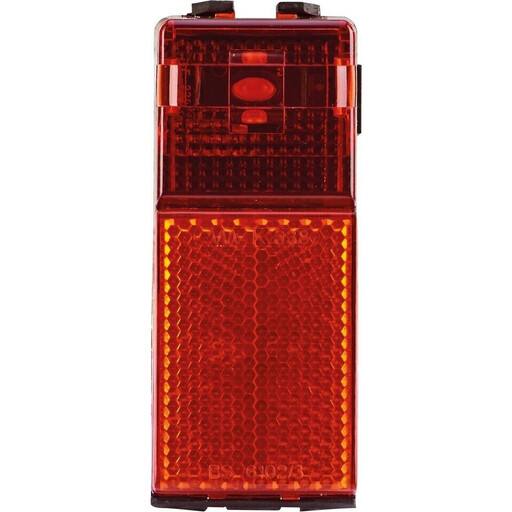
Why this product suits this profile: This dynamo rear light is suitable for bicycles and e-bikes with a compatible 6- to 12-volt power supply, ideal if you want battery-free operation.
The product details explicitly state StVZO approval, a two-wire connection and dynamo operation. This means there is no need to charge a battery regularly.
Two-wire connection, mudguard mounting and a black plastic design with compact dimensions.
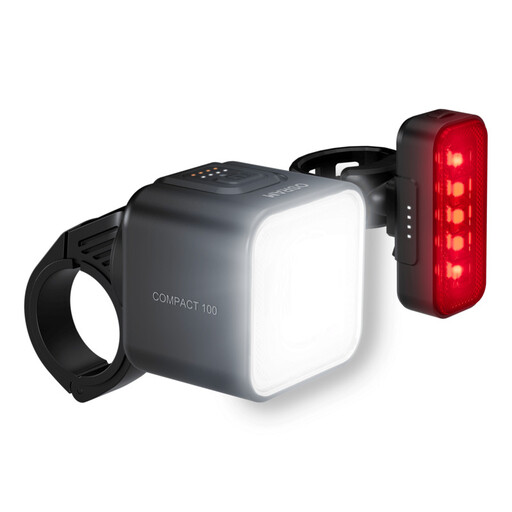
Why this product suits this profile: This set combines a front bicycle light offering up to 100 lux with a rear light featuring an automatic mode, making it suitable for commutes and rides in changing light conditions.
The specifications state StVZO approval, three brightness levels, USB-C charging, charging indicators and IP54 protection. This makes key buying criteria clear and transparent.
100 lux, a range of up to 95 m according to the product details, an automatic mode on the front light and an integrated brake light function on the rear light.
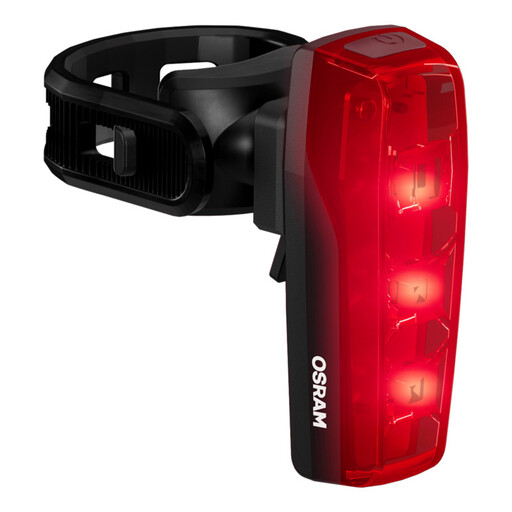
Why this product suits this profile: This separate rear bicycle light is aimed at frequent users who want to keep their existing front light while adding a dedicated brake light function.
The product description explicitly states the integrated sensor function, StVZO approval, USB-C charging and the flexible tool-free mount.
Automatic and continuous light modes, up to 13 hours of runtime according to the product details, a charging indicator and IP54 protection.
We have put together a complete, regularly updated list of products that fully meet these strict selection criteria and the safety regulations applicable in the EU.
A bicycle helmet with a light can be a useful additional safety accessory, but its size, fit and stated certifications should be checked separately. A helmet does not automatically replace the prescribed bicycle lighting.
A blanket minimum brightness in lumens is not particularly meaningful when choosing a product. For a front bicycle light, check the lux rating, range and beam distribution. A lower setting may be sufficient on lit roads, while several brightness modes are useful on darker paths.
Runtime depends on the model and the mode selected. The OSRAM products mentioned above are stated to offer runtimes ranging from several hours up to 14 hours, depending on the light and setting. Cold temperatures, battery age and frequent use of the highest setting can affect the actual operating time. A charging indicator helps with planning.
A bicycle light with a brake light function can be used provided that the specific product has the appropriate approval and is fitted correctly. When choosing one, the product data should explicitly state StVZO compliance. The light must also remain clearly visible, and all other requirements for bicycle lighting still apply.