
Lieferung heute & morgen

Qualitätsgarantie

Willkommens-Angebote freischalten: KOSTENLOSE Lieferung | Bis zu 80 % RABATT | Kostenlose 30-Tage-JoyPlus-Testphase
App herunterladen
Choosing the right cycling equipment can be a challenge given the abundance of products and marketing promises. Whether for the daily commute, a weekend tour, or getting started in competitive cycling, the right gear is crucial for safety, comfort, and enjoyment. However, many buyers invest in products that fail to meet their expectations because they fall for common marketing traps or overlook critical product details. This guide will help you separate the wheat from the chaff and make an informed purchasing decision.
The most common mistakes when buying bike gear are often due to unclear product descriptions and exaggerated advertising claims. Here are three typical pitfalls:
To avoid these mistakes, you should focus on objective and verifiable features. Instead of being guided by advertising slogans, check the following core parameters.
A bicycle helmet is the most important part of your protective equipment. Be sure to look for certification according to the European standard CE EN 1078. This seal confirms that the helmet meets basic requirements for shock absorption, construction, and strap system durability.
Besides certification, the fit is crucial. A good helmet has an adjustment dial at the back of the head, which allows the inner ring to be precisely adapted to your head circumference. Adjustable side straps ensure the helmet sits securely without wobbling. For commuters and rides at dusk, a bike helmet with a light is a sensible upgrade, as it significantly increases visibility in traffic.
The functionality of cycling accessories depends heavily on the material used and its construction. For bike bags, the material is decisive for weather resistance. Tarpaulin material (often referred to as PVC or Tarpaulin) with welded seams offers reliable protection against moisture.
Always check for compatibility with your type of bicycle before purchasing. City bike equipment is designed for comfort and everyday practicality, while accessories for an entry-level road bike are optimized for low weight and aerodynamics. For bike stands, pay attention to the specified maximum tire width, and for pannier bags, check the mounting system.
Based on these objective criteria, we have compiled a selection of products for typical use cases.
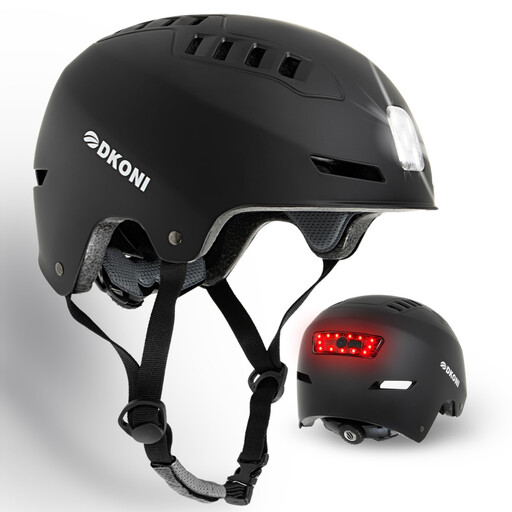
Why this product fits the profile: Ideal for the daily commute through the city. The integrated, USB-rechargeable front and rear lights ensure high visibility in dense traffic, especially at dusk and at night.
This helmet is offered in specific sizes (e.g., S: 48-55 cm), which bypasses the "one-size-fits-all" trap and allows for a secure, individual fit.
Meets CPSC, CE, and ASTM safety standards. The integrated LED system with four different rear light modes further enhances safety.
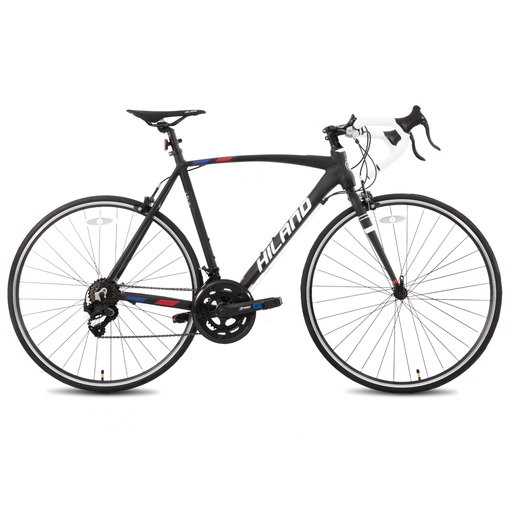
Why this product fits the profile: A solid choice for those starting with road cycling or looking for a fast bike for the city. It provides a good foundation without breaking the bank.
The bike comes with clear size recommendations based on height (e.g., Size S for 165-178 cm). This prevents the purchase of an ill-fitting frame size.
The lightweight aluminum frame combined with a 14-speed drivetrain offers agile handling and enough gears for various route profiles.
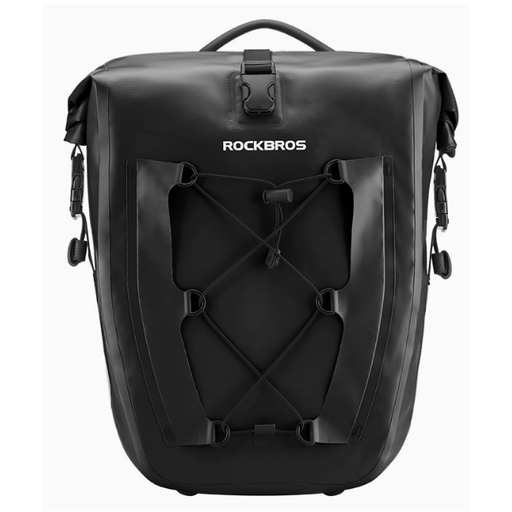
Why this product fits the profile: With a 30-liter volume, this bag offers enough space for multi-day tours or the weekly grocery run. Its robust and waterproof construction reliably protects the contents in any weather.
The "waterproof" product name is not an empty promise here. The material and construction are explicitly designed to protect against heavy rain, bypassing the trap of merely "water-resistant" products.
Large 30-liter capacity and a universal mounting system that is compatible with most rear racks for MTBs, road bikes, and e-bikes.
We have compiled a complete, up-to-date list of products that fully meet these strict selection criteria and UK/EU safety regulations.
Measure your head circumference at its widest point, about one centimeter above your eyebrows and ears, using a flexible measuring tape. Compare this measurement with the manufacturer's size chart. A helmet fits well if it is snug without pressing and does not shift during head movements.
A road bike can be very efficient for commuters in the city because it is fast and light. However, consider the sporty, forward-leaning riding position and the narrow, more puncture-prone tires. For routes with cobblestones or frequent curbs, a city or trekking bike is often the more comfortable choice.
The EN 1078 standard is a European safety standard for bicycle helmets and for helmets for users of skateboards and roller skates. A helmet with this certification has been tested for its shock absorption properties, construction (including field of vision), and the characteristics of the retention system (effectiveness of the chin strap and fastening devices). Purchasing a helmet that meets this standard ensures it fulfills basic safety requirements.