
Lieferung heute & morgen

Qualitätsgarantie

Willkommens-Angebote freischalten: KOSTENLOSE Lieferung | Bis zu 80 % RABATT | Kostenlose 30-Tage-JoyPlus-Testphase
App herunterladen
With so many models, designs, and technical features available, choosing the right helmet can be a challenge. Whether for the daily commute, a weekend mountain bike tour, or a child's first time on two wheels, reliable head protection is essential. This guide provides clear, objective criteria to help you make an informed decision, presenting a curated selection of models for different activities and age groups.
To find the perfect helmet for your needs, there are a few key factors to consider. These criteria will help you objectively evaluate a model's functionality and suitability.
A helmet's most important feature is its ability to protect you. In Europe, helmets for cyclists, skateboarders, and roller skaters must meet the EN 1078 standard. This certificate confirms that the helmet meets essential requirements for shock absorption, field of vision, and the retention system (chin strap and buckles). Always look for this label to ensure the helmet complies with legal safety standards.
A helmet can only protect you effectively if it fits correctly. It should sit firmly on your head without wobbling or creating pressure points. To find the right size, measure the circumference of your head at its widest point, about one centimetre above your eyebrows. Most modern helmets are adjustable and feature a dial at the back of the head for a precise fit. The chin strap should also be adjusted to be snug but not restrictive.
The intended use largely determines the helmet's design.
Good ventilation through strategically placed vents is crucial, especially on longer or more strenuous rides, to prevent heat build-up and enhance comfort.
Here is a selection of helmets that stand out for their specific features, making them ideal for different activities and users.
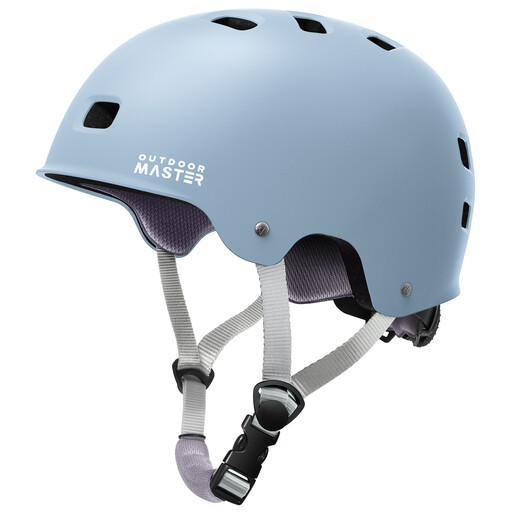
Why It Stands Out This helmet is designed as a versatile bike & skate helmet. Its construction, featuring a reinforced ABS outer shell and a shock-absorbing EPS core, provides a solid foundation for various activities. A practical feature is the two removable liners, which allow for a customized fit for different head sizes and make cleaning easy.
Pros
Who It's For Children aged 5 and up, teens, and adults looking for a reliable all-round helmet for various urban sports like skateboarding, scootering, or casual cycling.
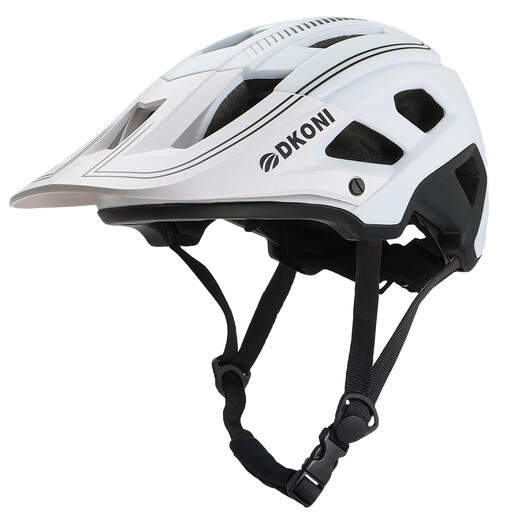
Why It Stands Out This MTB helmet was specifically engineered for the demands of mountain biking. It uses the in-mould process, which fuses the PC outer shell directly to the EPS inner foam, resulting in high stability at a low weight. The large, detachable visor and extended protection zone at the neck are clear indicators of its off-road focus.
Pros
Who It's For Adult mountain bikers and cyclists who need a lightweight, well-ventilated, and protective helmet for off-road tours or long-distance rides.
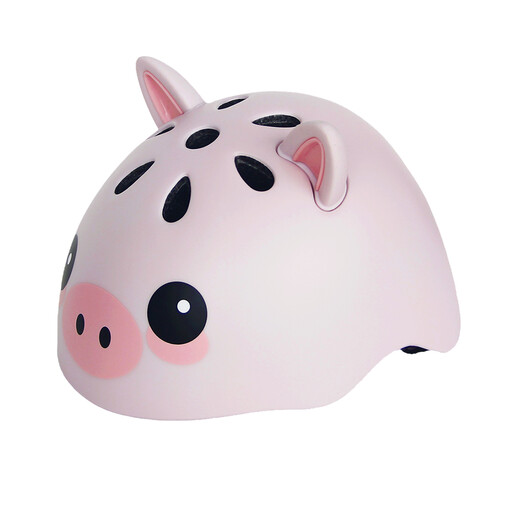
Why It Stands Out This kids' helmet catches the eye with its appealing animal design featuring 3D ears, which can motivate children to wear their helmet willingly. Technically, it relies on the proven in-mould construction, creating a lightweight yet robust structure. Certified to EN1078, it meets crucial European safety requirements for children.
Pros
Who It's For Young children who need a safe and fun helmet for their first adventures on a bike, scooter, or inline skates.
The models presented here already cover a wide range of needs. If you haven't found the perfect product for your specific requirements or taste, there are more options to explore.
? Explore our entire selection of head protection and find the model that's a perfect match for you and your activities.
1. How do I determine the correct helmet size? Measure your head circumference with a flexible measuring tape at its widest point, about a finger's width above your eyebrows and ears. The result in centimetres corresponds to the required helmet size. Compare this measurement with the manufacturer's size chart (e.g., M = 54-58 cm). A well-fitting helmet should not shift during slight head movements, even with the chin strap unbuckled.
2. When should a bike helmet be replaced? A helmet should be replaced immediately after any significant impact or fall, even if no external damage is visible. The impact can cause micro-cracks in the internal EPS foam, which significantly reduces its protective capabilities in a future accident. Regardless of falls, most manufacturers recommend replacing a helmet every 3 to 5 years, depending on frequency of use and material degradation from UV exposure.
3. What does the EN 1078 standard mean for a helmet? The European standard EN 1078 is a safety certification for helmets used in cycling, skateboarding, and roller skating. A helmet with this certification has been tested for its shock absorption capacity, the strength of its retention system (chin strap), and the wearer's field of vision. It ensures that the helmet meets fundamental protection requirements for these activities.