
Lieferung heute & morgen

Qualitätsgarantie

Willkommens-Angebote freischalten: KOSTENLOSE Lieferung | Bis zu 80 % RABATT | Kostenlose 30-Tage-JoyPlus-Testphase
App herunterladen
Choosing the right bike helmet for adults can be more complex than it first appears. The market offers a plethora of models, but not every helmet is suitable for every purpose or every head. Vague product descriptions or exaggerated marketing claims often lead to decisions that compromise safety and comfort. This guide will help you identify the crucial features and avoid common purchasing pitfalls.
Some of the most common problems when buying a helmet include:
To avoid a bad purchase, you should focus on objective and verifiable criteria. Three factors are of central importance: fit, safety features, and the right helmet type for you.
The correct fit is the fundamental prerequisite for a helmet's protective effect. Before buying, measure your head circumference at its widest point—about one centimetre above your eyebrows and ears—with a flexible measuring tape.
A helmet's protective capability depends on its construction and the standards it meets.
The helmet should match your riding habits. The main types differ in shape, ventilation, and features.
Here are some models tailored to specific user profiles and their requirements.
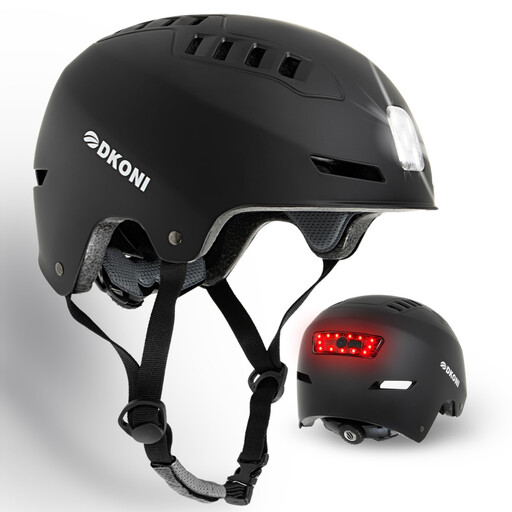
Why This Fits Their Persona: Ideal for the daily commute through the city. The integrated front and rear lighting significantly increases visibility in dense traffic and at dusk, which is a key safety feature for commuters.
This helmet avoids the trap of neglecting visibility. Instead of relying on external lights, the lighting is directly integrated and USB-rechargeable.
Features a front white LED light and a rear red LED light with four modes. According to the manufacturer, it meets CPSC, CE, and ASTM safety standards.
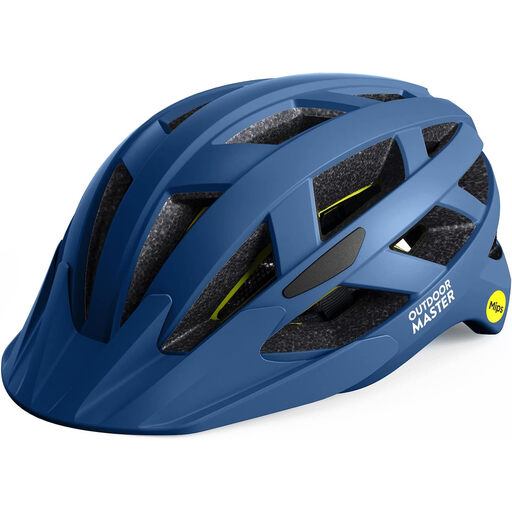
Why This Fits Their Persona: Designed for cyclists who value advanced safety and comfort on long rides. The combination of MIPS technology and high ventilation is ideal for road and mountain bike tours.
This helmet avoids the trade-off between safety and performance. It integrates the MIPS system without making significant compromises on weight or ventilation.
Equipped with MIPS technology. 25 vents provide optimized airflow. The dual adjustment system with two padding thicknesses allows for a precise fit.
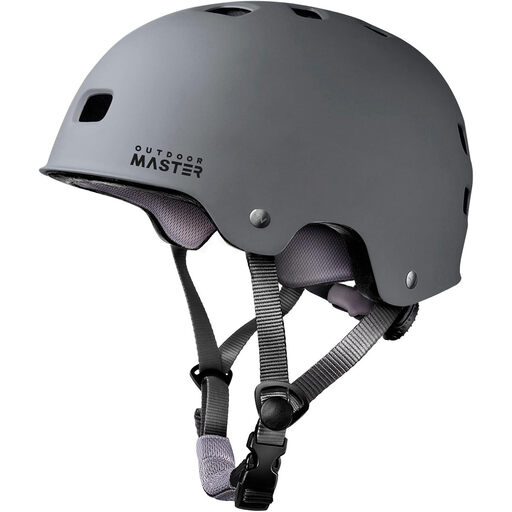
Why This Fits Their Persona: A robust choice for individuals who not only cycle but also skateboard, inline skate, or ride BMX. The durable ABS shell is forgiving of the minor bumps and scratches common in multi-sport activities.
This helmet avoids the pitfall of buying an overly specialized helmet. Its robust ABS construction is designed for the varied impacts of different sports, unlike a more delicate road bike helmet.
Reinforced ABS outer shell and a shock-absorbing EPS core. Comes with two removable, washable inner liners to optimize fit and maintain hygiene.
We have compiled a complete, up-to-date list of products that fully meet these strict selection criteria and safety regulations.
Measure your head circumference with a measuring tape at its widest point, about a finger's width above your eyebrows and ears. The helmet should fit snugly but not be tight. Use the adjustment dial at the back for fine-tuning. When the buckle is closed, there should be enough space for about two fingers between the chin strap and your chin.
A bike helmet should be replaced after any significant impact or fall, even if there is no visible damage. The shock-absorbing structure of the EPS foam can be compressed by the impact and will no longer provide adequate protection in a subsequent fall. Regardless of falls, most manufacturers recommend replacing a helmet every 3 to 5 years, as the material can degrade over time from exposure to UV radiation and sweat.
The EN 1078 standard is a European safety standard for helmets for cyclists and for users of skateboards and roller skates. A helmet with this certification has been tested for its shock absorption properties, its construction (including field of vision), and the resilience and effectiveness of its retention system (chin strap). Purchasing a helmet without this seal is not recommended.