
Lieferung heute & morgen

Qualitätsgarantie

Willkommens-Angebote freischalten: KOSTENLOSE Lieferung | Bis zu 80 % RABATT | Kostenlose 30-Tage-JoyPlus-Testphase
App herunterladen
As a Joybuy Product Recommendation Officer, my role is to provide you with clear, objective information about products. This article focuses on the bicycle helmet with a light, a piece of gear that is becoming increasingly vital for commuters and recreational cyclists in urban environments. The goal is to explain the essential features and present a selection of models to help you navigate the market.
Choosing a helmet should be based on objective criteria. Three aspects are especially important for a helmet with LED lighting: safety certifications, fit, and the functionality of the light system.
In Europe, the EN 1078 standard is the benchmark for helmets for cyclists and for users of skateboards and roller skates. A helmet bearing this certification has passed standardised tests for shock absorption, construction (including field of vision), and the properties of its retention systems (chin strap). Some models also list American certifications like CPSC or ASTM, indicating broader testing against international standards.
An adjustable bicycle helmet is crucial for its protective function. Modern helmets typically use a dial-fit system at the back of the head, which allows for fine, one-handed adjustments to the head's circumference. Adjustable side straps ensure the helmet sits securely without shifting. Good ventilation, through strategically placed vents, also enhances comfort, especially on longer rides or in warm weather.
A helmet with a rear light that is USB rechargeable offers practical, everyday convenience. Pay attention to the number of light modes (e.g., steady, flashing) and the position of the LEDs. A front light can increase your visibility to oncoming traffic, while a rear light improves your visibility to vehicles approaching from behind. The USB charging option eliminates the need for battery replacements and is a more sustainable solution.
Here is a selection of models that cover various needs and use cases. The descriptions are based on product data provided by the manufacturers.
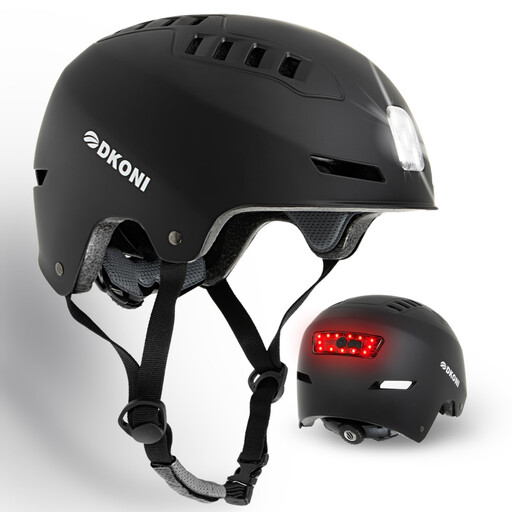
Why It Stands Out: This model integrates a complete lighting system with both front and rear lights. The 5 white front LEDs and 13 red rear LEDs, featuring four different modes, are designed to comprehensively boost visibility in city traffic.
Pros:
Who Is It For? This urban bicycle helmet is ideal for daily commuters and city helmet users (for both men and women) looking for a straightforward, all-in-one solution for safety and visibility.
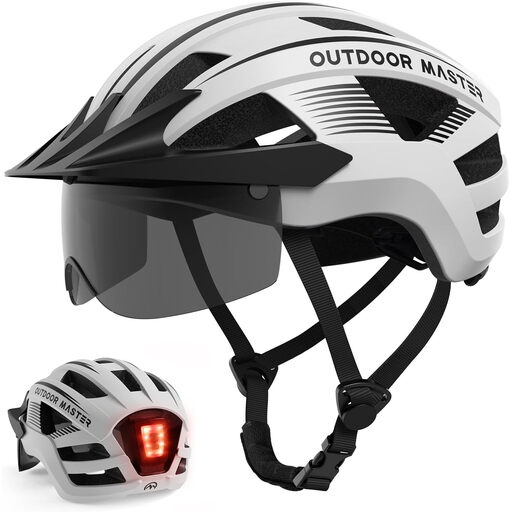
Why It Stands Out: The RhinoUrban helmet combines a rechargeable rear light with modular accessories. The magnetically detachable goggles and sun visor offer flexibility for changing light and weather conditions.
Pros:
Who Is It For? This helmet is geared towards versatile cyclists who ride both in the city and on longer tours and who value adaptable accessories like eye and sun protection.
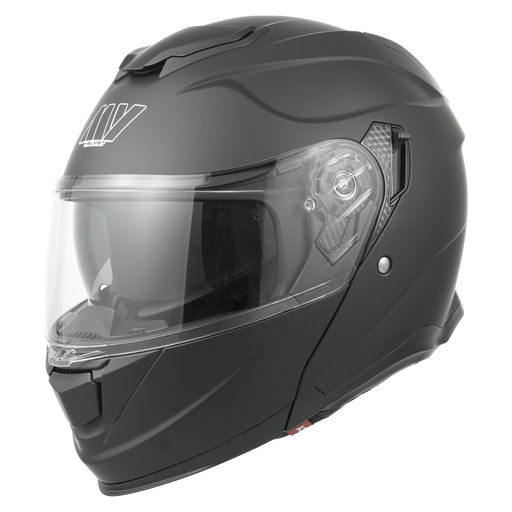
Why It Stands Out: This model is a motorcycle helmet certified under the more stringent ECE R 22.06 standard. Its modular, flip-up design offers the protection of a full-face helmet with the flexibility of an open-face helmet.
Pros:
Who Is It For? This model is an interesting option for riders of fast e-bikes (S-Pedelecs), for which "suitable" helmets are often mandatory. It is aimed at users who are specifically looking for a higher protection class and the full-face coverage that motorcycle helmets provide.
For users specifically seeking helmets with extended chin protection, such as full-face or modular models, our category offers a wider selection.
? Discover More Full-Face Bicycle Helmet Models Here
1. Does a bicycle helmet with a light replace legally required bicycle lights? No. In many regions, laws require approved lights to be permanently mounted on the bicycle itself. A helmet with LED lighting is a valuable supplement to increase your personal visibility, but it does not replace legally mandated bike lights.
2. How do I determine the correct helmet size? Using a flexible measuring tape, measure the circumference of your head at its widest point, about one centimetre above your eyebrows and ears. Compare this measurement in centimetres with the manufacturer's sizing chart to find the right size for your adult bicycle helmet.