
Lieferung heute & morgen

Qualitätsgarantie

Willkommens-Angebote freischalten: KOSTENLOSE Lieferung | Bis zu 80 % RABATT | Kostenlose 30-Tage-JoyPlus-Testphase
App herunterladen
Warm soup, stew and chilli are staples at many garden parties, barbecues and outdoor events. Disposable soup bowls need to be sturdy enough, hold food securely and be disposed of appropriately after use wherever possible. However, the term ‘biodegradable’ alone is not enough to assess whether a product is suitable.
With larger packs such as 50-piece disposable tableware, unclear material specifications or an unsuitable shape can quickly lead to unnecessary costs. Before buying, you should therefore watch out for three common pitfalls.
The terms are sometimes used in similar ways by retailers, but they do not necessarily mean the same thing. ‘Biodegradable’ generally means that a material can break down through biological processes under certain conditions. This does not tell you how quickly, under which conditions or in what disposal environment this will happen.
When buying compostable bowls, you should therefore look for specific information about industrial or home composting. Certification according to DIN EN 13432 can provide useful guidance for industrially compostable packaging. If no such information is provided, the bowl should not simply be put in the food waste bin. The local waste disposal provider’s requirements remain decisive.
A leak-resistant soup bowl needs to be stable not only around the opening. The base, side wall and material bonding also affect whether liquid escapes when the bowl is carried or set down. Particularly thin bowls can soften or become misshapen when filled with hot food.
Claims such as ‘leak-resistant’ or ‘leakproof’ should therefore be assessed as product features, not as an unrestricted guarantee for every situation. For transporting bowls, filling them generously or placing them on uneven surfaces, an appropriate lid or sturdy transport container is also recommended, where available.
A bowl can be designed for warm food and still become very hot on the outside. Heat-insulated paper bowls or multilayer fibre-based bowls can reduce heat transfer, but they do not replace careful handling.
For children, older people or self-service events, a wide base, firm rim and easy-to-grip shape are particularly important. Information about suitability for microwave or oven use should also be clearly provided. If this information is missing, use in these appliances is not advisable.
A nominal capacity of 500 ml is often suitable for a standard portion of soup, stew or a side dish. However, the actual usable capacity may be lower if the bowl should not be filled right to the rim. Smaller portions may be more suitable for events involving children or several different dishes.
It is practical to check the planned portion size in advance using a measuring jug. This helps prevent the bowl from being overfilled or the portion from being too small for hearty stews.
Sugarcane bowls are typically made from fibrous by-products of sugarcane processing. Paper bowls, on the other hand, are made from paper fibres and may have a coating. The key considerations are not just the base material, but also:
In the EU, materials and articles that come into contact with food are subject to general requirements. Specific conformity or material information should be traceable in the product description or on the packaging.
A pack of 50 bowls is practical for family celebrations, barbecues and smaller outdoor parties. Before buying, it is worth doing a simple calculation: number of guests plus a reserve for second helpings and replacements. With liquid foods, one or two additional bowls per person may be useful.
The pack should be stored in a dry, clean place protected from direct moisture. Fibre and paper bowls can lose their strength through moisture before they are even used.
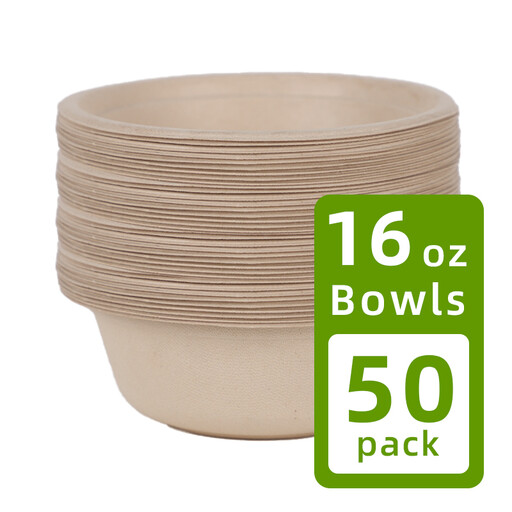
Why this product suits this profile: The pack contains 50 bowls with a stated capacity of 500 ml, making it suitable for private celebrations or regular meals with several guests.
The material and pack size are clearly stated in the product name. The name also indicates leak-resistant and heat-insulated properties.
500 ml format; 50 pieces per pack; natural colour.
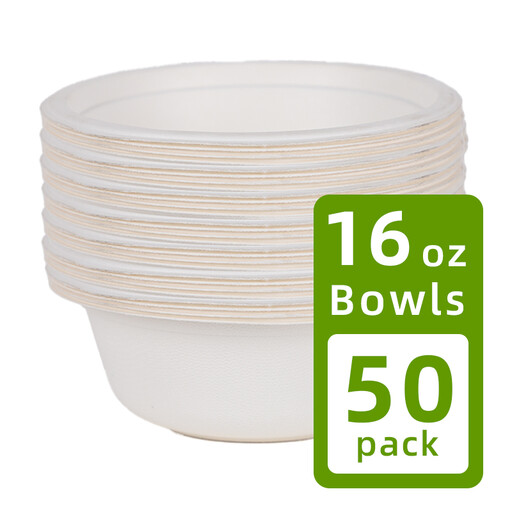
Why this product suits this profile: The white finish pairs neutrally with different types of disposable tableware and works well for private celebrations, catering arrangements or a cleanly styled buffet.
The product information specifically states the use of sugarcane material and that the bowls are designed for warm foods. Disposal instructions and any relevant certifications should also be checked before buying.
500 ml size; pack of 50; white colour option; according to the product name, designed for BBQs and gatherings.
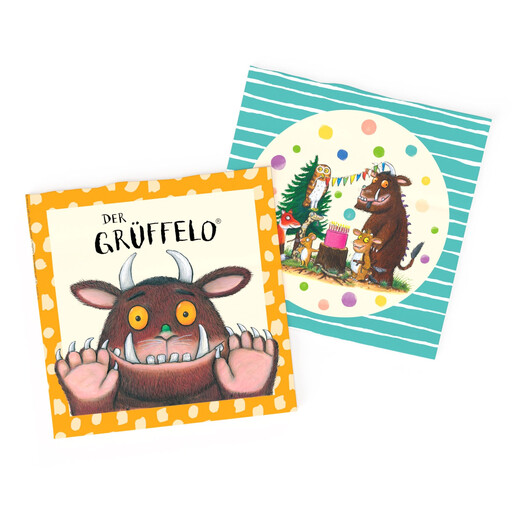
Why this product suits this profile: As an addition to soup bowls, this set of 20 is ideal for children’s birthday parties and themed outdoor events where napkins are needed for hands and minor spills.
The product details specify the material, number of layers, format and quantity. This makes it easier to calculate requirements for an event in advance.
20 napkins; 33 × 33 cm; 3-ply design; recyclable paper according to the product description.
We have put together a complete, regularly updated list of products that fully meet these strict selection criteria and the safety regulations applicable in the EU.
Before buying sustainable disposable bowls, check the following points:
This depends on the specific product. Buyers should look for clear information confirming suitability for warm or hot foods. For the bowls mentioned, the product name indicates that they are intended for warm foods and have a heat-insulated design. They should only be used in a microwave or oven if this is expressly permitted.
Disposable soup bowls are designed for single use. How long they remain stable depends on factors including temperature, filling level, fat content and transport. Bowls used for very hot or liquid foods should not be filled above the rim and should ideally be placed on a level surface.
Not automatically. Disposal depends on the material, certification and local requirements. Without clear information confirming compostability, the bowls should not be placed in the food waste bin. Packaging information and local authority waste disposal guidance are decisive.