
Lieferung heute & morgen

Qualitätsgarantie

Willkommens-Angebote freischalten: KOSTENLOSE Lieferung | Bis zu 80 % RABATT | Kostenlose 30-Tage-JoyPlus-Testphase
App herunterladen
A bird feeder in your garden or on your window is a wonderful addition. It offers a unique opportunity for bird watching and supports the local bird population, especially in winter. However, the selection is vast, and not every model delivers on its promise. Many products have flaws that not only lead to a bad purchase but can also harm the birds. This guide will show you what to look for to choose a durable and bird-friendly feeding station.
Before we dive into the key features, let's look at three common problems found in low-quality bird feeders that you should avoid during your selection process.
To avoid these problems, you should check three core aspects before buying. These will help you find a functional and durable bird feeding station.
The material is a key determinant of the feeder's durability and hygiene.
Regardless of the material, easy cleaning is essential. Models with removable feeding trays or easily accessible surfaces have a clear advantage.
The choice of mounting depends on where you want to feed wild birds.
Beyond the basic design, some features can significantly enhance the feeder's utility.
Here are three models tailored to different needs and locations that successfully avoid the common pitfalls mentioned.
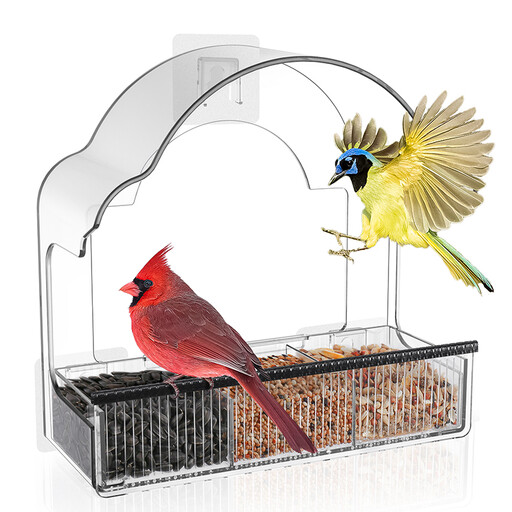
Why This Fits Their Persona: Ideal for those in apartments or homes without a garden who want to watch birds up close. The transparent design allows for an unobstructed view directly from inside the room.
It counters the problem of unstable mounting with 6 strong suction cups that ensure a stable hold on the windowpane. The extended roof also reduces rain ingress, combating the issue of wet feed.
Clear view of the birds through transparent acrylic; easy installation and cleaning; compact design that requires no extra space on a balcony or in the garden.
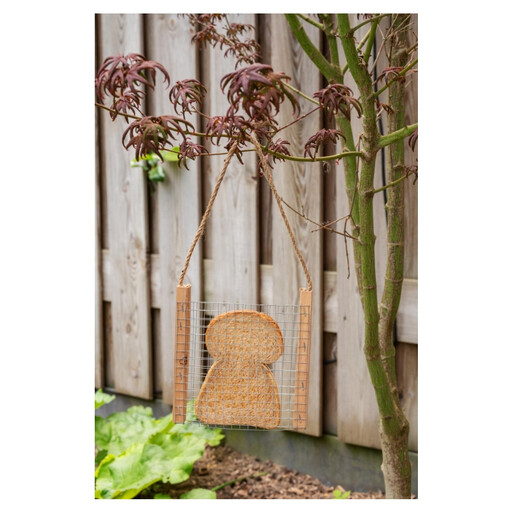
Why This Fits Their Persona: For garden owners looking for a functional object that blends harmoniously and decoratively into the natural environment, rather than looking like a foreign object.
This feeder is made from weather-resistant polyresin. This material is more durable than untreated wood, does not rot, and retains its shape and colour, thus bypassing the pitfall of unsuitable materials.
Original, rustic design; crafted from bird-safe, non-toxic material; can be used flexibly as a hanging or standing model.
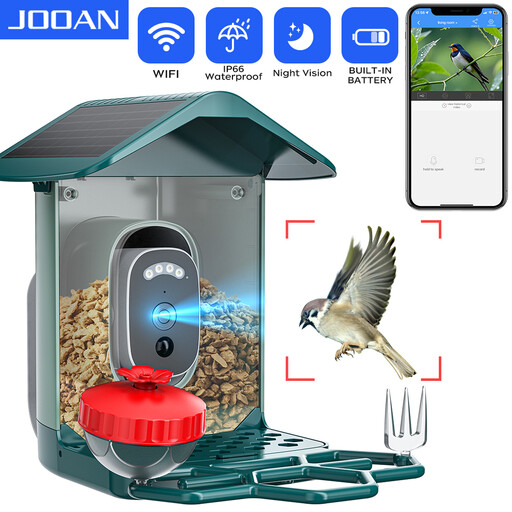
Why This Fits Their Persona: Perfect for users who not only want to feed birds but also actively document them and learn more about their feathered visitors. It combines the experience of nature with modern technology.
This model solves the problem of missed observation moments. While standard feeders require you to be present, this smart bird feeder with a camera automatically captures every visitor in high quality, even when no one is home.
Captures photos and videos in 2K Ultra HD; supports bird identification via app; self-sufficient operation thanks to an integrated solar panel and battery; two-way audio function.
We have compiled a complete, up-to-date list of products that fully meet these strict selection criteria and safety requirements.
Regular cleaning is essential for the health of the birds. It is recommended to clean the feeder at least every two weeks to prevent mould growth and the spread of diseases. Remove old food and clean all surfaces with hot water and a brush. For heavy soiling, a solution of nine parts water to one part vinegar can help. Let the feeder dry completely before refilling it.
A good basic mix for many native bird species consists of sunflower seeds (especially the black, oil-rich ones), hemp seeds, chopped peanuts, and oat flakes. In winter, high-fat foods like suet balls (without the net) or suet blocks are also very popular. Be sure to avoid bread, as it swells in birds' stomachs, as well as salted or seasoned food scraps, which are harmful.
Protecting birds from predators is crucial. Place a hanging feeder at a height of at least two metres (about 6.5 feet) and with sufficient distance from fences, walls, or branches from which a cat could jump. A standing feeder should be mounted on a long, smooth metal or plastic pole that is difficult for cats to climb. A location in an open area also gives birds a good all-around view to spot dangers early.