
Lieferung heute & morgen

Qualitätsgarantie

Willkommens-Angebote freischalten: KOSTENLOSE Lieferung | Bis zu 80 % RABATT | Kostenlose 30-Tage-JoyPlus-Testphase
App herunterladen
Whether you want to support native wild birds in your garden or provide species-appropriate care for your feathered housemates, choosing the right bird food can be overwhelming given the vast selection. Many products overpromise and underdeliver, leading to wasted money and feed that birds simply ignore. As your Joybuy Product Recommendation Officer, I'll help you avoid the common pitfalls and make an informed choice.
Before we dive into the selection criteria, let's look at the most common mistakes that often lead to disappointment.
To ensure your money is well-spent and the birds will actually eat the food, you should pay attention to three key features.
A look at the ingredients list is crucial. High-quality feed is characterized by a high proportion of energy-rich components.
Not every food is intended for daily nutrition. A clear distinction helps to provide for the birds according to their needs.
Where you feed influences the choice of food. Feed with shells is more natural but leaves behind waste.
Based on these criteria, we have compiled a few products for typical user profiles.
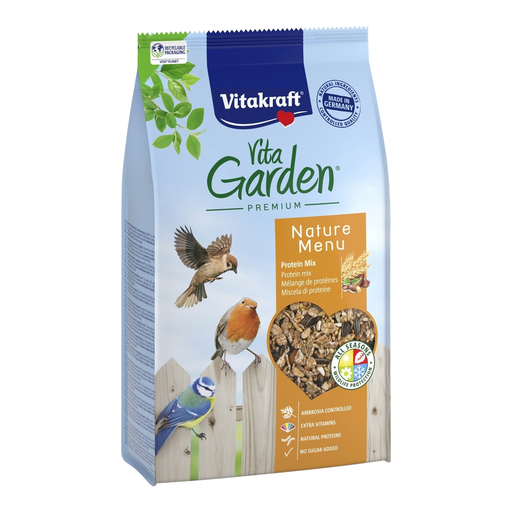
Why This Fits Their Persona: Ideal for nature lovers who want to support wild birds year-round with a protein-rich and safe mix. This feed is designed as an all-season bird food.
This mix bypasses the "filler trap" with a high-quality composition including animal protein (shrimp) and nuts. The ragweed control prevents the spread of unwanted plants.
Contains animal protein for a diet that mimics nature. The composition is suitable for year-round feeding, supporting birds during breeding season and in winter.
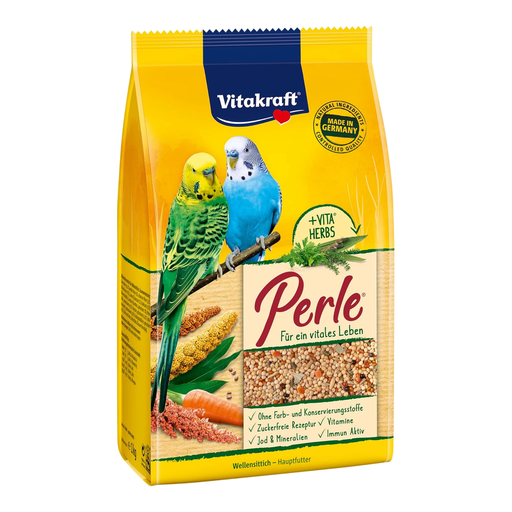
Why This Fits Their Persona: Perfect for budgie owners looking for a reliable and balanced daily nutritional base. This Vitakraft bird food is designed as a complete feed.
This food is specifically developed as budgie food, thus avoiding the mistake of feeding an unsuitable wild bird mix. The composition is tailored to the needs of indoor birds.
Contains an Iodine-Vital-Complex to prevent deficiencies. Beta-glucans can help support the immune system. The resealable packaging keeps the food fresh.
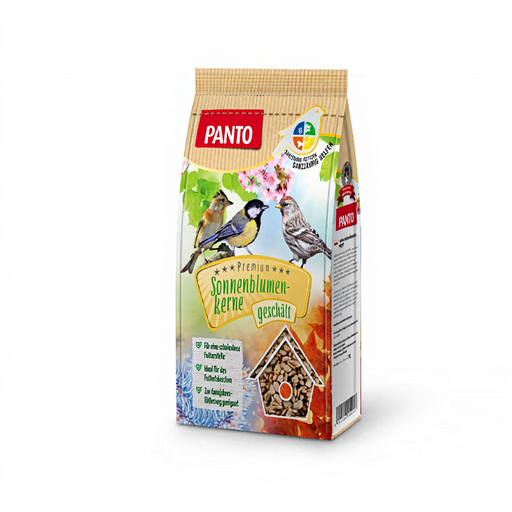
Why This Fits Their Persona: For anyone who wants to feed birds on their balcony or patio without having to worry about shell debris. A clean and high-energy solution.
This product solves the problem of waste created by low-quality mixes with shells. It offers pure energy with no fillers and no need to constantly sweep the floor.
100% shelled sunflower seeds means no waste. The high energy density makes it a popular food for many wild bird species, especially in winter.
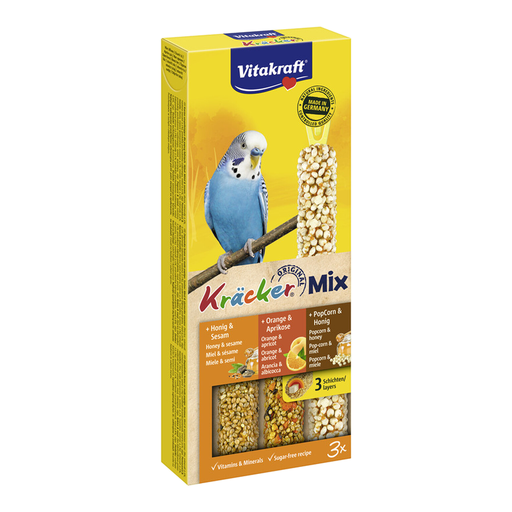
Why This Fits Their Persona: For bird keepers who want to offer their pets variety and species-appropriate enrichment in addition to their basic diet. These bird treat sticks promote natural behaviour.
These crackers are clearly positioned as a supplement, not a main food. The sugar-free recipe avoids giving unhealthy treats that are often found in cheap snacks.
Offers three different flavours for variety. The bird has to work for its food, which counteracts boredom in the cage and supports beak care.
We have compiled a complete, up-to-date list of products that fully meet these strict selection criteria and current regulations.
1. Can you feed birds all year round? Yes, year-round feeding is now recommended by many bird experts. Due to changes in agriculture and climate change, birds often can no longer find sufficient natural food throughout the year. A high-quality all-season bird food can help bridge food shortages, especially during the strenuous breeding and rearing season in spring and summer.
2. What is the difference between food for wild birds and pet birds? The main difference lies in the energy content and composition. Wild bird food is very high in energy (high fat and protein content) to help birds meet their high energy demands for flight, thermoregulation, and foraging. Budgie food or canary food for indoor birds is more balanced and lower in calories to prevent obesity. It is also often fortified with specific vitamins and minerals that birds kept indoors require.
3. Why aren't the birds eating my food? There could be several reasons for this. The mix might contain too many fillers that the birds dislike. It could also be that the type of feed doesn't suit the bird species in your area. Another reason could be the location of the feeding station—if it's too open and unprotected, birds may avoid it for fear of predators. Try a different type of food, like pure shelled sunflower seeds or suet balls, and place the feeder near bushes or trees.