
Lieferung heute & morgen

Qualitätsgarantie

Willkommens-Angebote freischalten: KOSTENLOSE Lieferung | Bis zu 80 % RABATT | Kostenlose 30-Tage-JoyPlus-Testphase
App herunterladen
By the Joybuy Product Recommendation Officer, August 28, 2026
Keeping pet birds or feeding wild birds in your garden enriches daily life. However, choosing the right bird supplies can quickly become overwhelming. Many products overpromise and underdeliver, and in the worst cases, can even be unsuitable for the animals. To help you make informed decisions, we'll highlight the most common pitfalls and show you what really matters when making a selection.
To avoid the mistakes mentioned above, it helps to focus on a few fundamental quality features. These parameters apply to both equipment for pet birds and supplies for wild birds.
The bird's safety is the top priority. For bird accessories and bird toys, look for safe, non-toxic materials.
Good bird supplies are designed around the natural behaviours of the animals.
Not every bird owner has the same needs. Here are some product recommendations tailored to different profiles.
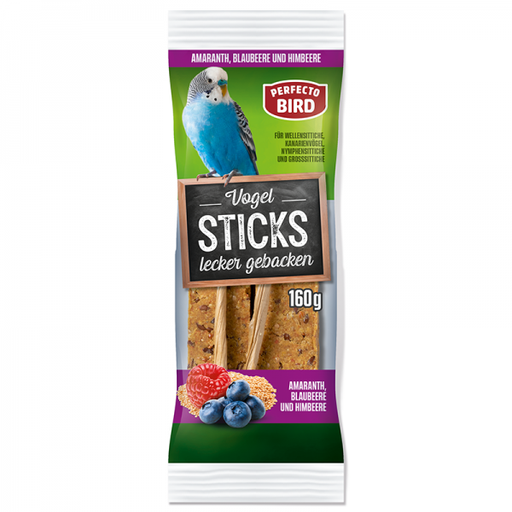
Why This Fits Their Persona: Ideal for beginners, as it offers a simple way to reward the bird and build positive interaction without replacing its main diet.
The composition with amaranth and fruits is clearly declared, rather than relying on unspecified sugars or fillers. The feeding recommendation (every 2–3 days) prevents overfeeding.
Gently baked to preserve ingredients. The solid stick form encourages engagement.
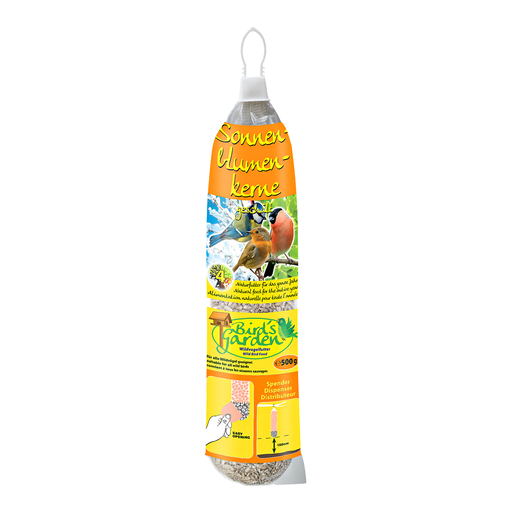
Why This Fits Their Persona: Provides a clean and straightforward solution for year-round wild bird feeding, without shells littering the balcony or garden.
The shelled seeds and integrated dispenser minimise contamination and the risk of disease transmission at the feeding station—a common problem with poorly maintained feeding spots.
Ready-to-use feeder for direct hanging. Clean feeding thanks to pre-shelled seeds.
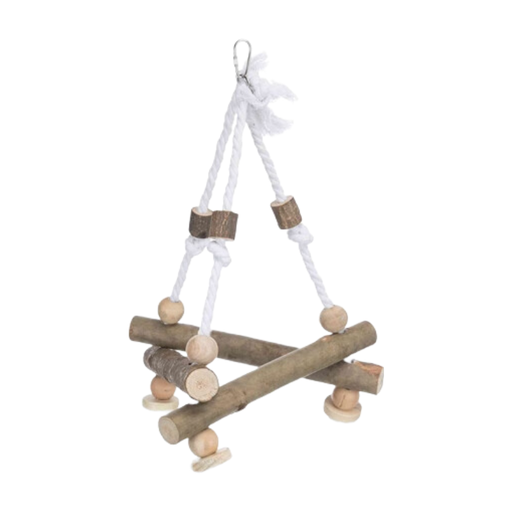
Why This Fits Their Persona: Offers a combination of perching and activity that satisfies the natural chewing and movement instincts of birds like budgies or cockatiels.
Made from natural wood with bark, which is a safe material choice. The varying thicknesses of the wood promote foot health, unlike smooth, unsuitable plastic perches.
Promotes foot health and natural nail trimming. Combines swinging, perching, and chewing functions.
We have compiled a complete, up-to-date list of products that fully meet these strict selection criteria and comply with current regulations.
1. How often should you change bird food and water? Fresh water should be changed daily, as it can quickly become contaminated. Food bowls should also be checked daily for soiling and cleaned as needed. How often the food itself is replaced depends on the type and quantity, but a daily check is advisable to remove old leftovers.
2. What food is suitable for wild birds in the summer? In the summer, wild birds primarily need protein-rich food for raising their young. Suitable options include dried mealworms, smaller seeds, and oat flakes. High-fat foods like suet balls or whole peanuts should be offered sparingly in hot weather, as they can quickly go rancid.
3. How can I identify safe bird toys? Safe bird toys are made from natural, non-toxic materials like untreated wood, sisal, leather, or stainless steel. They should not contain small parts that could be swallowed. Ensure that ropes or chains are short enough to prevent the bird from getting entangled. Regularly inspect the toy for wear and tear and remove any damaged parts.