What should you look for when buying?
First, check whether your planned portions will fit in your existing freezer. If you need an additional appliance, compare the quantities you’ll be freezing at once, the compartment layout and the installation dimensions with the annual energy consumption of the specific model.
| What to consider |
What to check before buying |
Who it matters most to |
| Finding the right portions |
Check that labelled packs fit separately in the compartments and are easy to take out. The Federal Centre for Nutrition recommends labelling them with the contents, quantity and date. |
When I prepare dough for several baking dates, I want others to find the right portion quickly. Around 33% of consumers prioritise clear organisation. |
| Space for batches |
Compare the largest quantity of dough you plan to freeze, along with your other frozen food, against the freezer capacity and internal dimensions. If you often freeze large quantities, the model’s specific freezing capacity matters too. |
For bigger baking sessions, I want to be able to store several prepared batches at once. Around 27% of consumers prioritise space for quantities like these. |
| Fitting the available space |
Measure the floor space or built-in recess, and check the door opening and the ambient temperature specified for the installation location of the specific model. |
When space is limited, the appliance needs to fit and the door needs to open. Around 20% of consumers prioritise a design that suits the space available. |
| Ongoing energy consumption |
Compare the stated annual energy consumption and freezer capacity on the energy labels of specific models. The consumer advice centre also recommends avoiding an appliance that is consistently larger than you need. |
If an extra appliance will be running between baking dates too, I want to take its ongoing energy consumption into account. Around 20% of consumers prioritise keeping energy costs down. |
Joybuy product selection
The Joybuy picks below are freezers with multiple compartments, so you can store dough portions separately. They may also suit larger quantities for freezing.
 No image available
Heinrich´s freezer, 161 l, NoFrost
Could be worth considering if you want to use several separate compartments for prepared portions.
The product title lists three freezer drawers, two additional drawers, an LED display, a reversible door and an alarm.
The title also lists a temperature range of −14 °C to −22 °C and energy class C.
View at Joybuy
 No image available
homeX FSN2041E-S, 204 l, NoFrost
Could suit households looking for a freezer with NoFrost and a stated capacity of 204 l.
The product title lists a Super Freeze function, 39 dB, a silver finish and energy class E.
View at Joybuy
 No image available
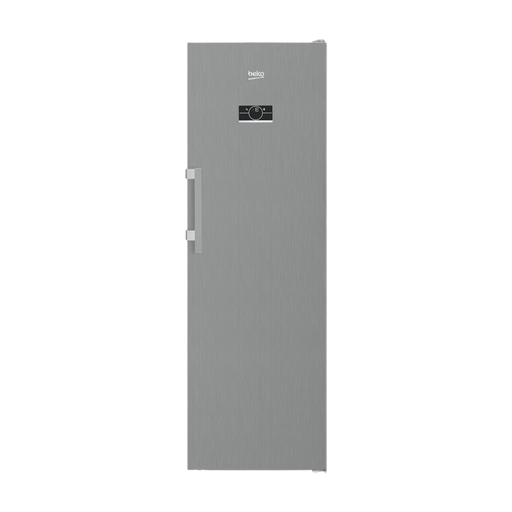
Beko B7RFNE315XP, 286 l, No Frost
Could be worth considering if you’re comparing models with a stated net capacity of 286 l and No Frost.
The product title lists Fast Freeze, a reversible door, a stainless steel look and energy class D. It also describes the model as suitable for unheated rooms; check the specific installation requirements.
View at Joybuy
 No image available
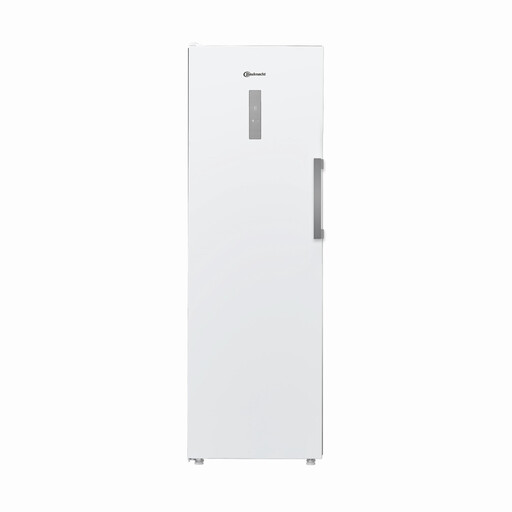
Bauknecht GKN NoFrost 18660DW, 286 l
Could suit larger stores of frozen food if the stated capacity of 286 l fits the space you have available.
The product title lists a height of 186,5 cm, a Super-Freezer function, a white finish and energy class D.
View at Joybuy
 No image available
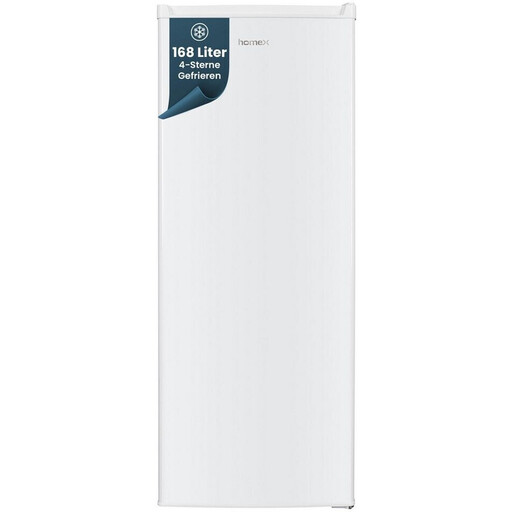
homeX FS1681E-W, 168 l
Could be worth considering if you’re looking for a freezer with several drawers and a flap compartment.
The product title lists four drawers, a flap compartment, a reversible door, 40 dB, a white finish and energy class E.
View at Joybuy
Frequently asked questions about freezing biscuit dough
How should we organise frozen dough for several baking dates?
Portion the dough before freezing and label suitable freezer packaging with the contents, quantity and date. The Federal Centre for Nutrition recommends this labelling. You can also use your shared plan to note who should use each portion.
What temperature should the freezer be set to?
The consumer advice centre recommends −18 °C for upright freezers and chest freezers. Check whether you can set this temperature on the specific appliance.
Can we taste prepared biscuit dough before baking?
No. The German Federal Institute for Risk Assessment advises against eating uncooked biscuit dough because flour may contain harmful germs. The consumer advice centre also warns against eating raw dough containing eggs and recommends careful kitchen hygiene. Freezing doesn’t automatically make raw dough safe to eat.
What information do freezer energy labels show?
The EU energy label for household fridges and freezers uses a scale from A to G and shows, among other things, the stated annual energy consumption, freezer capacity and noise emissions. Compare the details for the specific models rather than relying on the efficiency class alone.
What should you do with an old freezer in Germany?
Old electrical appliances must be collected separately. The German Environment Agency lists free return options, including at local collection points and participating retailers, including online retailers. For a specific order, check how the return of your old appliance is handled; this is separate from any dismantling or installation service offered.


