For lots of small servings, mini biscuits or individually portioned packs could be a good fit. If you’re stocking a stall, larger packs may be more practical. Either way, make sure you have the ingredients and allergen information for the exact variety you’re serving. Any gluten-free alternative should be clearly labelled as such and kept separate from biscuits containing gluten.
Which options suit different needs
Organisers keeping allergens in mind
If you’re serving biscuits at a school fair, you need to be able to match each variety clearly to its ingredients and allergen information. This is especially important when you open packs and put the biscuits into several bowls.
Helpers serving lots of small portions
If you’ll be handing out small portions frequently at the stall, biscuit size and pack format are important factors to consider. Mini biscuits are one option, but you still need to keep the labelling for each variety.
Shoppers buying larger quantities
If you’re planning supplies for several rounds of serving, compare the pack weight with the portion size you have in mind. A heavy pack on its own doesn’t tell you how many portions you’ll want to make.
What to look for when shopping
First decide whether you’ll serve whole packs, individual biscuits or portions prepared in advance. Then check how you’ll keep the ingredients and allergen information linked to each variety while serving.
| Factor |
What to check when buying |
Who it matters to |
| Allergen information |
The ingredients list and highlighted allergens on the specific pack; clear identification when serving from opened packs. |
If I’m putting several varieties into bowls, I want to have the correct ingredients list available for each one. Clear allergen information is the top priority for around 36% of consumers. |
| Portioning |
Biscuit size, number of biscuits and whether portions need to be prepared before serving. |
When serving lots of people quickly at the stall, I want to hand out small quantities without having to split them up. Easy portioning is the main concern for around 29% of consumers. |
| Quantity planning |
Pack weight and the number of portions you plan to make from it. |
When I’m stocking the stall, the quantity I buy needs to match the portions I plan to serve. Around 21% of consumers would put predictable quantities first. |
| Choice of varieties |
Labelling for every additional variety; if needed, an alternative explicitly labelled “gluten-free”. |
If I want to offer different flavours or a separate gluten-free option, I need to be able to identify each product clearly. Around 14% of consumers would prioritise having this extra choice. |
Mini biscuits and large packs meet different needs: biscuit size can make serving easier, while pack weight can help with stock planning. Neither format means you can skip checking the specific ingredients list. And don’t assume a product is gluten-free based on its recipe; look for an explicit gluten-free label.
Avoiding common school fair planning mistakes
-
Choosing the biggest pack without a portion plan
A pack weighing 400 g or 500 g can help you plan your supplies, but it won’t tell you how many biscuits to serve at a time or how to handle opened packs.
Decide on a portion size before you shop, then consider whether mini biscuits, a larger pack or individually portioned products will work best for serving.
If you want to wrap biscuits individually in advance, remember to allow for the packaging materials and the time it will take.
-
Losing track of which product is which after decanting
When biscuits are laid out loose, allergen information is only useful if it’s clear which variety it relates to. Verbraucherzentrale says that written allergen information is important for school kitchens and caterers.
Keep the original packaging or a complete copy of the ingredients and allergen information, and label each bowl so you can match it to the right variety. Check the requirements for your particular school fair with the school or organising body.
-
Assuming a product is “gluten-free” based on its name
A name that doesn’t obviously mention wheat doesn’t prove that a biscuit is gluten-free. EDEKA advises people with gluten intolerance to look for an explicit “gluten-free” label.
Only describe products as gluten-free if they are labelled accordingly, and keep this alternative separate from biscuits containing gluten during storage and serving.
Brands and product ranges to consider
These examples show different biscuit formats available in Germany. For your school fair, it’s the labelling on the variety you actually buy that matters, not the brand name.
BISCOTTO
ALDI Nord and ALDI SÜD list BISCOTTO formats for different serving plans, including mini biscuits and larger packs of biscuits.
- ALDI Nord lists 150 g mini biscuits and 500 g sandwich biscuits; ALDI SÜD lists 400 g butter biscuits.
- The formats differ in how easy they are to portion. Check the ingredients and allergen information on the pack for every variety you choose.
LEIBNIZ
ALDI Nord lists LEIBNIZ butter biscuit and cocoa biscuit varieties in 150 g and 200 g packs respectively.
- These varieties give you a choice of biscuit type and pack weight.
- For quantity planning, these packs are smaller than the BISCOTTO formats listed at 400 g and 500 g. Check the ingredients and allergens for each variety.
OREO
ALDI SÜD lists OREO Original in a 176 g pack, offering another biscuit variety to choose from for your stall.
- You can factor the stated pack weight into your portion planning.
- The retailer’s product information says “May contain milk”. Check the full labelling on the pack you buy rather than assuming it applies to every variety from the brand.
DE BEUKELAER / Prinzen Rolle
ALDI SÜD lists Prinzen Rolle Schoko sandwich biscuits in a 450 g pack.
- The pack weight gives you a useful starting point for planning several rounds of serving.
- The weight alone doesn’t tell you how many portions you’ll get or which allergens are present; check the specific pack.
Portion-friendly products at Joybuy
This selection includes biscuits, wafer snacks and a multipack of cereal bars. Compare the number of pieces with your serving plan: individually wrapped portions and a pack containing lots of pieces are not the same format. Check the labelling on the pack you actually receive for every product.
 No image available
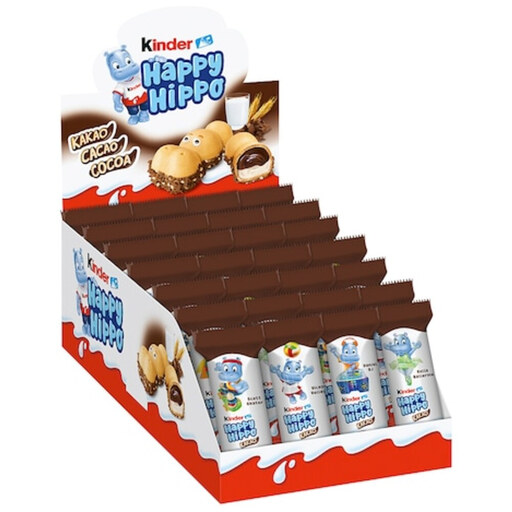
Kinder Happy Hippo Cocoa Waffelgebäck, 28 × 20,7 g
The pack of 28 is an option if you’re planning to serve lots of individual portions and wafer snacks fit with what you’re offering at the fair.
Before serving, check the ingredients and allergen information on the pack you receive.
View at Joybuy
 No image available
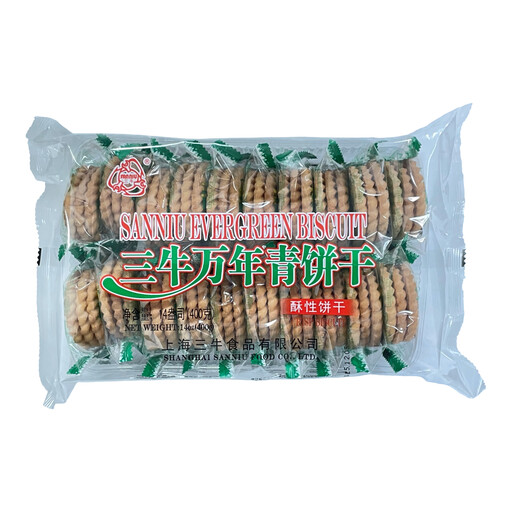
Sanniu Evergreen Onion Flavour Biscuits, 20 Einzelpackungen, 400 g
These savoury onion-flavoured biscuits could work if you want to serve individually wrapped portions alongside sweet varieties.
The product name states that the pack contains 20 individually wrapped portions, with a total weight of 400 g. Keep the ingredients and allergen information from the pack you receive available when serving.
View at Joybuy
 No image available
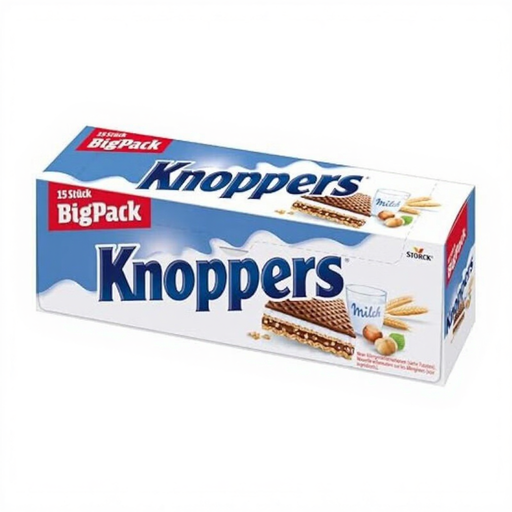
Knoppers Hazelnut Wafers Big Pack, 15 × 25 g
These wafer bars are an option if you want to plan for a set number of pieces and don’t want to offer only traditional biscuits.
The product name states that the pack contains 15 pieces, each weighing 25 g. Check the allergen information on the pack you actually receive.
View at Joybuy
 No image available
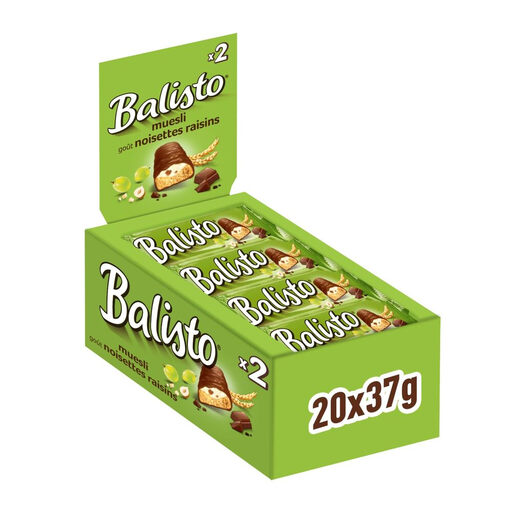
Balisto Muesli Whole Grain Biscuit Bars, 20 × 37 g
These cereal bars could suit a serving plan based on individual bars, if that format fits what you’re offering; they’re not traditional biscuits.
The product name states that the pack contains 20 bars, each weighing 37 g. Check the ingredients and allergen information on the pack you receive before serving.
View at Joybuy
Frequently asked questions
How can I identify gluten-containing cereals in packaged biscuits?
Check the ingredients list on the specific pack: cereals containing gluten are among the allergens that must be declared and highlighted there. The Federal Ministry of Agriculture, Food and Home Affairs explains the labelling requirements for the 14 main allergens.
What should I bear in mind when serving unpackaged biscuits at a school fair?
For every variety served unpackaged, keep the product name and its ingredients and allergen information in writing, and make sure it’s matched to the right bowl. Verbraucherzentrale outlines allergen information requirements for school kitchens and caterers. Check with the school or organising body in advance to find out what arrangements apply to your particular fair.
Is a biscuit with no mention of wheat in its name a suitable gluten-free option?
No, you can’t tell whether a product is suitable for a gluten-free diet from its name alone. If you want to offer a gluten-free option, choose a product explicitly labelled “gluten-free”; EDEKA advises people with gluten intolerance to look for this label. Store and serve it separately from biscuits containing gluten.


