What to consider when choosing
Mirrorless cameras, rugged compact cameras and stabilised APS-C or Micro Four Thirds cameras each have different strengths. The key is deciding which compromise works for your needs.
OM SYSTEM OM-5 Mark II
A good fit if: you want a relatively light interchangeable-lens system for hikes, with Live ND for a simulated long-exposure look. OM SYSTEM lists the weight as 418 g, including battery and card.
Consider: IP53 applies to the camera body; check lens protection and whether the field of view is right for you separately.
OM SYSTEM Tough TG-7
A good fit if: you prefer a compact camera with a fixed lens and a water-resistance rating specified by the manufacturer.
Consider: the lens isn’t interchangeable; OM SYSTEM lists a 12-MP sensor.
Fujifilm X-S20, Canon EOS R7 or Sony α6700
A good fit if: you want an APS-C interchangeable-lens system with a choice of suitable lenses. Fujifilm lists the X-S20 at 491 g with battery and card; Canon specifies 32.5 MP for the EOS R7.
Consider: stabilisation figures are based on specific test conditions and lenses; they aren’t a direct comparison for waterfall photography.
Panasonic LUMIX G9II
A good fit if: you’re looking for a Micro Four Thirds interchangeable-lens system with in-body stabilisation. Panasonic lists 8.0 stops of B.I.S. under the stated CIPA test conditions.
Consider: the manufacturer’s figure doesn’t guarantee a particular shutter speed at a waterfall; remember to factor in the weight and protection of your planned setup, too.
| Buying priority | What to look for | Who it matters most to |
|---|
| Controlling how water looks |
Check the controllable shutter speed and stabilisation of the specific camera-and-lens combination; only consider Live ND if it’s confirmed for the model. |
If I want to soften the look of water or capture its movement more clearly, I need control over the shutter speed. Around 33% of consumers put shaping the movement of water first when choosing a camera. |
| Protection from wet conditions |
Check the protection requirements for the body and lens together; only use a waterproof compact camera within the manufacturer’s stated conditions. |
If I’m taking photos near spray or on wet paths, I want to know which conditions apply to all my equipment. Around 27% of consumers put protection from wet conditions first. |
| Weight of the setup |
Compare camera body weights on a like-for-like basis and add the weight of the lens you plan to use. |
If I’m walking longer distances, the weight of my ready-to-use kit matters, not just the camera body. Around 20% of consumers prioritise a setup that’s easy to carry. |
| Getting the right framing |
Check the included lens, mount and field of view for your planned viewpoint, and follow the rules at the specific location. |
If I want to photograph the whole waterfall or a closer view, the lens needs to suit the permitted viewpoint. Around 20% of consumers put the right field of view first. |
Joybuy product selection
The Joybuy products below are action cameras. Their product names include details such as video specifications, field of view or water resistance. Check whether this type of camera suits your plans: these products aren’t equivalent to the stabilised interchangeable-lens cameras described above for controlling the movement of water and framing your shot.
 No image available
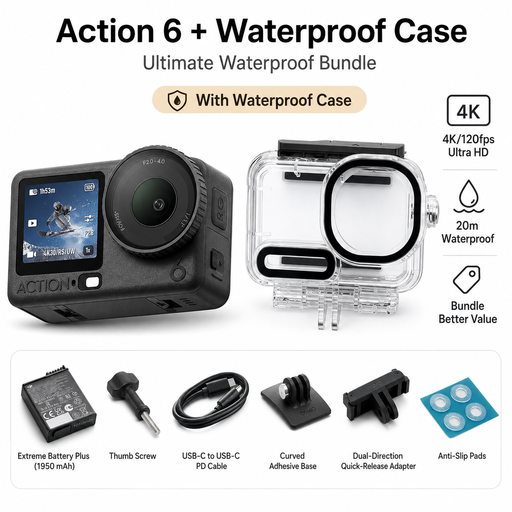
DJI Osmo Action 6 Standard Combo with Action 6 Waterproof Case
If you’re looking for an action camera that comes with a Waterproof Case, check the conditions for using both the camera and case before you set off.
The product name lists 8K video, 4K/120fps, RockSteady 3.0 and HorizonSteady.
View at Joybuy
 No image available
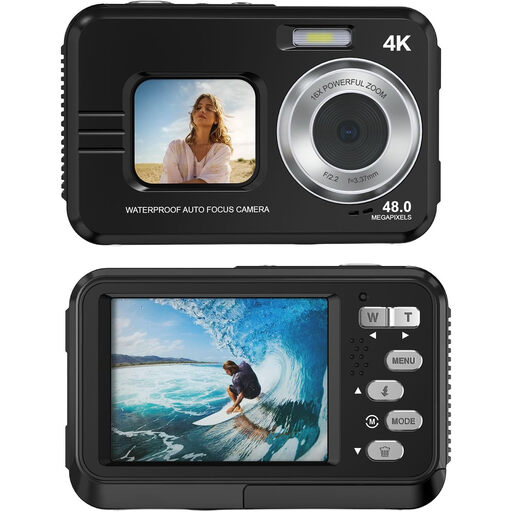
KINSI 2.8-inch IPS digital camera with two displays
If you’re considering a compact action camera for use near water, check the exact conditions for the water resistance stated in the product listing.
The product name lists 16x zoom and underwater use to 3.5 m.
View at Joybuy
 No image available
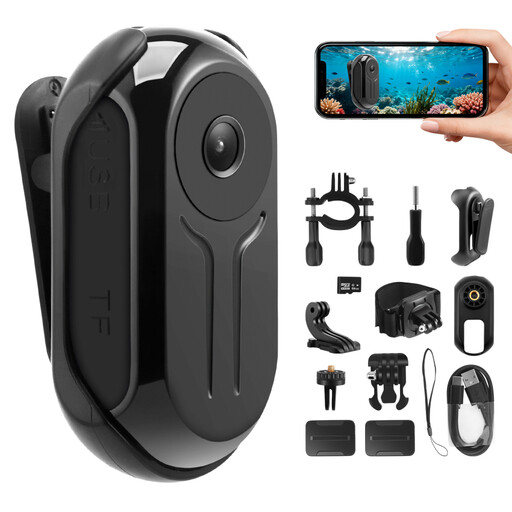
Action camera with 120° wide-angle lens
If you’re looking for an action camera to take on the go, check whether the stated field of view suits the framing you have in mind.
The product name lists a 120° lens, a 0.85-inch screen and mounts for a bike, helmet and rucksack.
View at Joybuy
 No image available
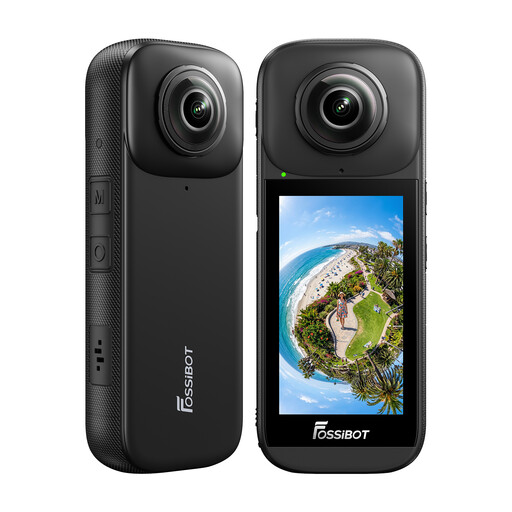
Fossibot FC360 action camera
If you’re considering this model for use in damp conditions, check what conditions apply to the protection rating stated in the product name.
The product name lists 6 GB built-in RAM, 8K video at 10 fps and IP68 waterproofing.
View at Joybuy
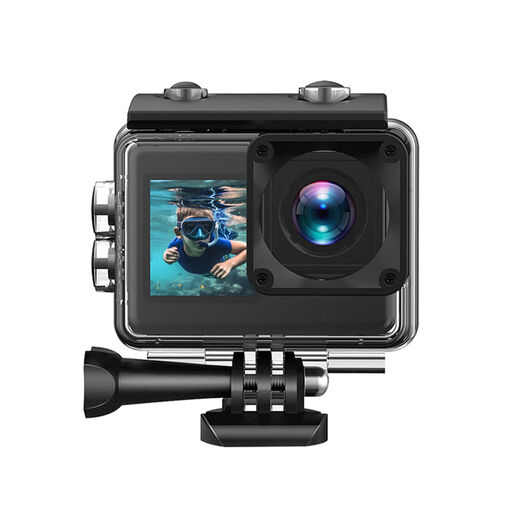 No image available
KINSI action camera, 4K 20 MP
If you want to take still photos as well as video, check whether the photo resolution and field of view stated in the product name suit your subject.
The product name lists water resistance to 30 m, a 170° wide-angle lens, two displays and a 64-GB SD card.
View at Joybuy
Frequently asked questions
Does image stabilisation guarantee silky-smooth water without a tripod?
No. Shutter speed affects how water looks, while stabilisation reduces camera shake; taking a long single exposure handheld still depends on the conditions and how you handle the camera. The OM SYSTEM OM-5 Mark II also offers Live ND for a simulated long-exposure look. Check the result on the screen while you’re there.
What should I check before my first shot and when shooting near spray?
Check that the lens fits the mount, set your preferred shutter speed and review a test shot for camera shake and the effect on the water. In wet conditions, follow the protection requirements for both the camera body and the lens you’re using; the OM-5 Mark II’s IP53 rating doesn’t apply to every lens.
What should I consider when buying, apart from the camera body?
Check whether a lens suited to your framing is included or needs to be bought separately. When buying in Germany, the Verbraucherzentrale (28 September 2026) distinguishes the statutory right to claim for faulty goods from the seller from a voluntary guarantee.
Can I leave the paths or wade into the water to photograph a waterfall?
If your location is within the Black Forest National Park, photographers must stick to designated paths and must not enter the water, according to the park authority. These park rules don’t automatically apply to every other waterfall in the Black Forest. Check the specific location and any path closures.
Do I need a permit to take photos in the Black Forest National Park?
According to the park authority, non-commercial photography on designated paths is exempt from the permit requirement described for photographic and film reporting. A permit is required for commercial reporting in the national park; whether this applies to your plans depends on the type and location of the shoot.


