
Lieferung heute & morgen

Qualitätsgarantie

Willkommens-Angebote freischalten: KOSTENLOSE Lieferung | Bis zu 80 % RABATT | Kostenlose 30-Tage-JoyPlus-Testphase
App herunterladen
A black mask is often the first choice when looking for a solution for enlarged pores, blemishes, or a dull complexion. However, the market is filled with products whose marketing promises often suggest more than the ingredients can actually deliver. Many users invest in masks that irritate, dry out the skin, or simply fail to achieve the desired effect.
This guide serves as a compass. We analyse the most common pitfalls and show you which objective criteria truly matter when selecting a black face mask, enabling you to make an informed decision.
Before you make a purchase, it's important to recognise common marketing traps that often lead to disappointment.
To avoid a bad purchase, you should base your decision on two central parameters: the primary active ingredient and the application format.
The colour of a mask says little about its function. The decisive factor is the active ingredients.
The format influences the application and often the primary effect of the product.
Based on the criteria mentioned, we have identified products that are suitable for different skin needs and user profiles.
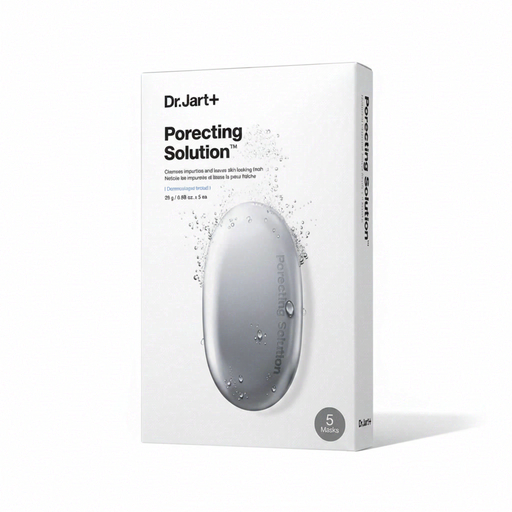
Why This Fits Their Persona: Ideal for users seeking an effective, pore-refining solution. The mask uses activated charcoal to directly target the needs of oily skin and provides an intensive cleansing experience with its foaming action.
Instead of aggressively drying out the skin, this sheet mask combines the deep-cleansing action of charcoal with hydrating ingredients. The skin feels clean but not tight after use.
The oxygen bubble technology provides a deep pore cleanse by lifting dirt and sebum to the surface. The sheet mask format is convenient and hygienic.
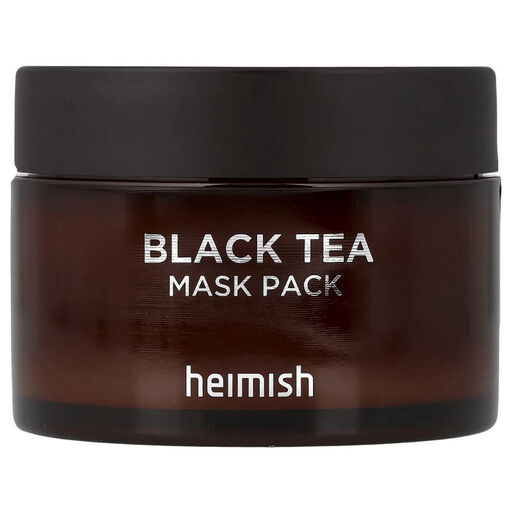
Why This Fits Their Persona: Perfect for those looking for a quick boost of freshness for their skin. The mask leverages the antioxidant properties of black tea extract to revitalise tired skin and enhance its radiance.
Instead of vague "detox" promises, the product focuses on the verifiable benefits of black tea extract. It's about revitalisation and protection, not pseudoscientific detoxification.
The wash-off format allows for a quick 10-15 minute application. The formula also offers hydrating and soothing properties, making it suitable for many skin types.
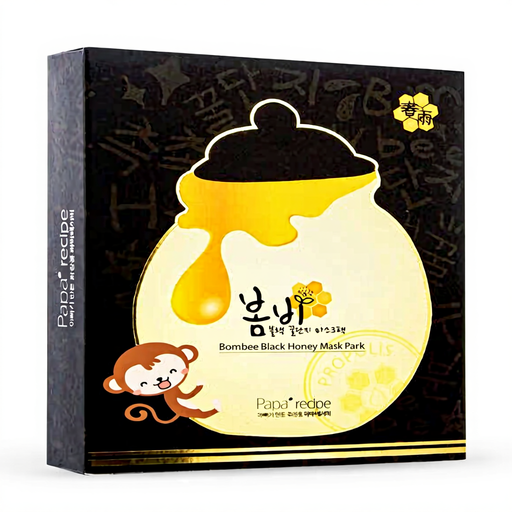
Why This Fits Their Persona: This mask is a prime example of K-Beauty: it combines the black mask trend with intensely nourishing ingredients like honey and propolis. It's ideal for anyone aiming for hydration and a healthy "glow."
The focus is clearly on hydration and nourishment, not aggressive cleansing. The mask improves the skin's appearance through intense moisture delivery, making the skin look plumper and pores less visible.
The formula contains propolis and honey extract, known for their hydrating and soothing properties. The thin sheet material ensures optimal adhesion and ingredient delivery.
We have compiled a complete, up-to-date list of products that fully meet these strict selection criteria and German safety regulations.
The frequency of use depends on the mask type and your skin condition. A deep-cleansing face mask with activated charcoal should be used once or twice a week for oily skin. For dry or sensitive skin, once every 7 to 10 days is often sufficient. A purely hydrating mask can be used more frequently, about two to three times a week, depending on your needs. Always follow the manufacturer's recommendations.
A pure activated charcoal mask can be too drying for dry skin. If you have dry skin but still want to benefit from its purifying effects, choose a product that combines activated charcoal with potent hydrating ingredients like hyaluronic acid, glycerin, or nourishing oils. Alternatively, you can apply the mask only to problem areas like the nose or chin (multi-masking).
The main difference lies in their primary function and application. A black sheet mask is typically designed for hydration, brightening, or delivering antioxidants. The sheet acts as a carrier for a liquid serum. A clay mask (which can also be black, e.g., with added charcoal) has a primarily absorbent and purifying function. It dries on the skin, binds excess sebum, and is then washed off. Sheet masks are more convenient and leave no residue, while clay masks can offer a more intensive cleansing effect for oily areas of the skin.