
Lieferung heute & morgen

Qualitätsgarantie

Willkommens-Angebote freischalten: KOSTENLOSE Lieferung | Bis zu 80 % RABATT | Kostenlose 30-Tage-JoyPlus-Testphase
App herunterladen
Black sesame is available in Germany in a range of forms: roasted seeds, black sesame paste, instant sesame porridge, sesame porridge, oil and sweet snacks. However, products can vary considerably in their ingredients, sweetness, preparation time and storage requirements. If you choose based only on the packaging or words such as “traditional”, you could easily end up with a product that doesn’t suit your needs.
Dark packaging doesn’t automatically mean that sesame is the main ingredient. In instant drinks, cereals, sugar, glucose or maltodextrin may make up the largest proportion. One example is a black sesame porridge labelled as containing at least 20% sesame. Other blends contain considerably less black sesame, with oats, soya, rice or maize making up the difference.
So check the ingredients list and, where available, the quantitative ingredient declaration. Information such as “black sesame ≥ 18.5%” or “black sesame 1.5%” helps you make an informed comparison.
In some Chinese sweets and black sesame balls, sugar is replaced with maltitol or other sweeteners. This may appeal if you’re cutting down on sugar, but it can affect the taste and how well you tolerate the product. Products containing sugar alcohols may carry a warning that excessive consumption can have a laxative effect.
“Sugar-free” should not be taken to mean that a product is generally nutritionally beneficial, either. Black sesame and nuts naturally contain fat and provide energy, so portion size and how you plan to use the product are key.
Tangyuan with black sesame filling and other filled rice balls generally need to be stored at –18 °C or below. They’re not comparable to shelf-stable snacks or an instant sesame drink. Before buying, check whether delivery in a frozen state is available and whether you have enough room in your freezer.
Black sesame is an allergen that must be declared. Depending on the recipe, products may also contain wheat or gluten, soya, milk, peanuts, walnuts or oats. If you have an allergy, check the full product labelling on the packaging of sesame pastes that contain nuts and cereals.
For a less sweet option, consider roasted black sesame or a paste with a short ingredients list. A product such as pure black sesame oil is described as containing 100% black sesame oil and is suitable for seasoning, dressings or finishing dishes. It isn’t, however, a substitute for a sweet breakfast drink.
Instant products are convenient, but the amount of water and the serving size vary:
Check the recommended amount of water. Too little can make the porridge very thick, while too much can dilute its flavour and affect the consistency.
Store dry powders, sesame seeds and shelf-stable snacks in a cool, dry place, away from direct sunlight. Reseal packs tightly after opening. According to the product information, black sesame oil should be refrigerated after opening and used soon afterwards. For sesame paste, also check the manufacturer’s instructions on refrigeration after opening.
For frozen products, don’t refreeze them after thawing. Add tangyuan to boiling water straight from the freezer and cook them thoroughly.
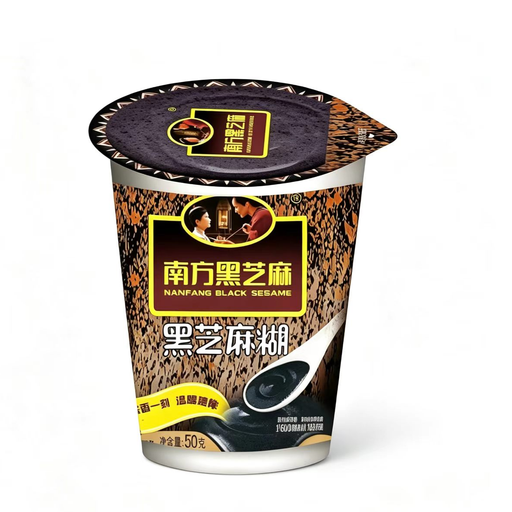
Why it suits this profile: The single 50 g cup is a good choice if you’d like to try black sesame porridge without buying a large pack. Just add hot water; there’s no need to cook it.
The sesame content is stated as at least 20%. Gluten, soya, sesame and milk are also listed as allergens.
A 50 g portion, preparation with hot water at around 80 °C and a pronounced roasted sesame flavour, according to the product description.
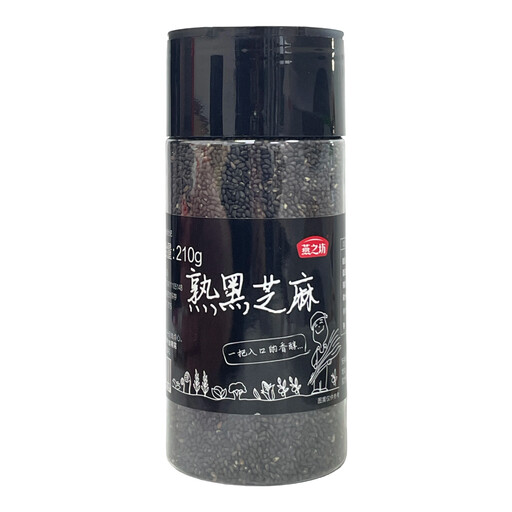
Why it suits this profile: The ingredients list contains only black sesame. This makes the product versatile: use it in baked goods or porridge, or to make black sesame paste at home.
According to the product information, it contains no added sugar, cereals, nuts or sweeteners. Its intended use is clear.
A 210 g pack of roasted black sesame with a short, one-ingredient list.
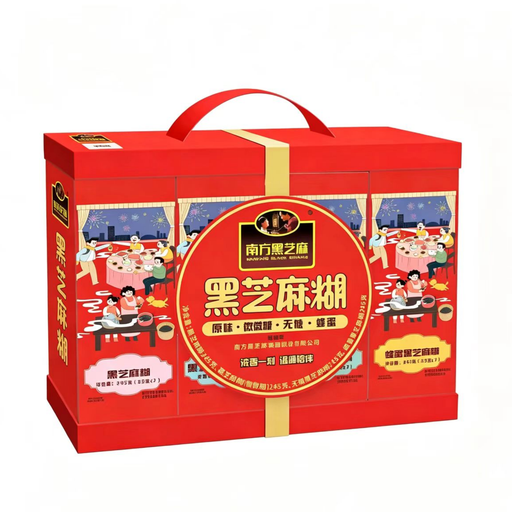
Why it suits this profile: The box contains 28 individual portions in four varieties: original, lightly sweetened, sugar-free and honey. It’s a good option for households with different taste preferences.
The different sweetness levels come in separate portions. Allergens such as wheat, soya, sesame, walnuts, peanuts and, in some varieties, oats are listed.
A total of 980 g, with 35 g individual sachets and four recipes for breakfast, a snack or a warm dessert.
We’ve put together a complete, regularly updated list of products that meet these strict selection criteria and fully comply with the safety regulations in force in the EU.
For a warm cereal drink with black sesame, you could also consider blends containing black rice, black beans or oats. If you’re after a ready-made sweet treat, try black sesame balls or Chinese sesame snacks. For tangyuan with black sesame filling, check the frozen storage instructions. Black sesame oil, on the other hand, is used sparingly as a seasoning oil; it isn’t prepared like an instant sesame drink.
It’s also worth checking the nutrition table per serving when choosing sesame porridge. This makes it easier to compare sugar, fat, salt and portion size than relying on marketing claims on the front of the pack.
Instant sesame porridge is usually added to a cup or bowl and mixed with hot water. Depending on the product, you’ll need around 80 to 250 ml. Leave it to stand for one to two minutes, then check the instructions on the packaging for the exact preparation method.
Unopened seeds, powders and shelf-stable snacks will keep until their stated best-before date if stored in a dry place away from light. Once opened, seal them tightly and use them soon afterwards. Oil and sesame paste may have specific refrigeration instructions after opening.
Black sesame paste contains ground sesame and, depending on the recipe, other ingredients such as sugar, cereals or nuts. It’s often mixed with hot water to make porridge or a dessert. Black sesame oil is liquid and used in small amounts for seasoning, dressings or finishing warm dishes.