
Lieferung heute & morgen

Qualitätsgarantie

Willkommens-Angebote freischalten: KOSTENLOSE Lieferung | Bis zu 80 % RABATT | Kostenlose 30-Tage-JoyPlus-Testphase
App herunterladen
Black sesame paste is increasingly finding its way from specialised Asian cuisine into home kitchens. Whether as a nutty base for noodle sauces, a nutrient-rich spread for toast, or an ingredient in desserts, its versatility is remarkable. However, not every paste labelled "black" and "sesame" will meet the same expectations. Before you make a decision, it's helpful to know three common pitfalls that often lead to an unsuitable purchase.
black tahini.This guide will help you understand these points and make an informed choice that perfectly suits your needs.
To find the right black sesame paste, you should check three fundamental parameters. These will help you objectively evaluate product characteristics and see through marketing claims.
Your intended use determines which ingredient list is right for you. There are two main categories:
black sesame paste or pure black sesame butter usually indicate this pure form.The processing method has a direct impact on flavour and texture. A traditional method is stone milling. In this process, the sesame seeds are slowly ground between millstones. This process generates less heat, which helps to preserve the delicate nutty aromas and nutrients of the sesame. The result is often an exceptionally smooth and aromatic paste. Industrial methods can be faster, but the heat generated can affect the flavour profile.
Another quality feature of pure pastes is natural oil separation. If a layer of sesame oil settles on the surface, it indicates that no emulsifiers or stabilisers have been added. A simple stir will restore the creamy consistency.
Although both are made from sesame seeds, there is a significant difference between Chinese sesame paste and the tahini common in the Middle East.
Black tahini is made from unhulled black seeds, but they are often not as heavily roasted as in the Chinese version, resulting in a different flavour profile. For authentic Asian recipes, the roasted Chinese paste is therefore often the more suitable choice.Here are some recommendations tailored to specific needs and use cases.
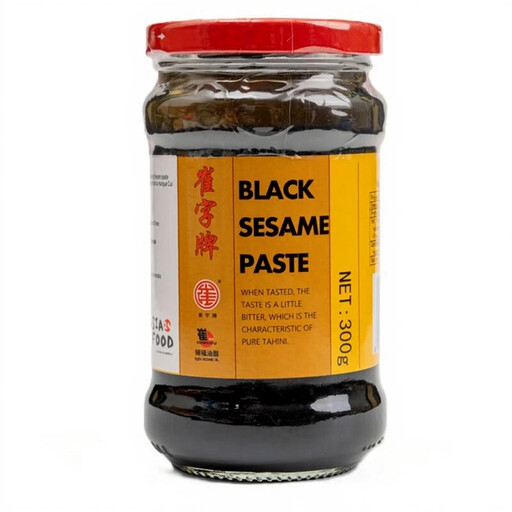
Why This Fits Their Persona: Ideal for anyone seeking the pure, unadulterated taste of black sesame for authentic Asian dishes. The paste is perfect for preparing noodle sauces, as a dip for hot pot, or as a filling for pastries.
The ingredient list contains only sesame, thus avoiding the filler pitfall. The use of traditional stone milling ensures an intense aroma, which prevents the flavour fallacy.
Made from 100% black sesame. According to the manufacturer, a traditional stone-grinding process is used, which preserves the full flavour.
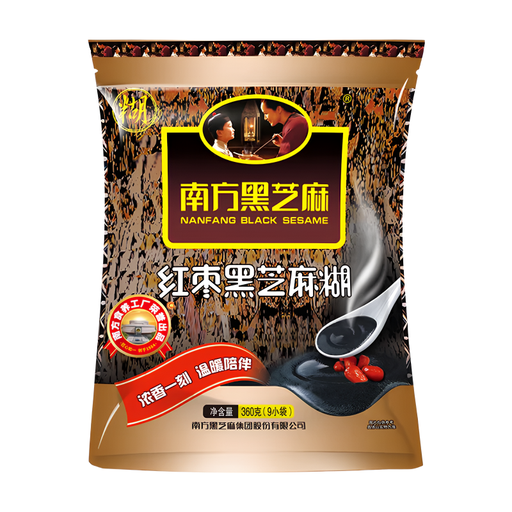
Why This Fits Their Persona: Perfect for those who want a quick, warm, and nutritious meal in the morning. This instant powder is simply mixed with hot water to create a creamy porridge that's ready to eat immediately.
This product is clearly positioned as an instant mix. The ingredient list, which includes rice and dates, makes it clear that this is not a pure cooking paste, thereby avoiding confusion.
Very quick and easy to prepare. The combination of black sesame and red dates provides a balanced, slightly sweet flavour.
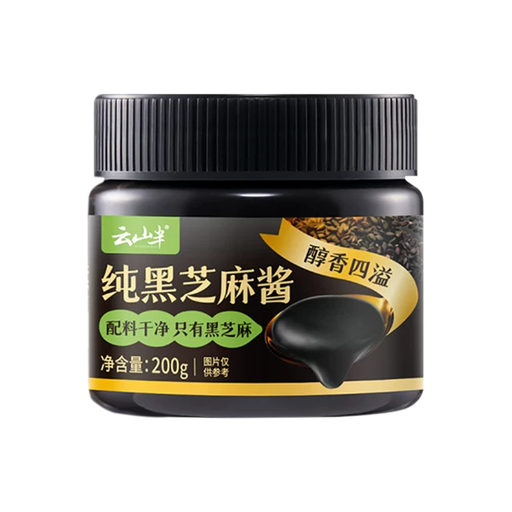
Why This Fits Their Persona: Anyone trying black sesame paste for the first time or only using it occasionally as a `black sesame spread` will be well-served by a smaller package size. This helps to avoid food waste.
This product is a pure sesame paste, allowing beginners to experience the authentic flavour. The small 200g package is ideal for finding out if the product suits your taste without a big investment.
Pure paste made from 100% black sesame. The compact 200g size is practical for first-time use or small households.
We've compiled a complete, up-to-date list of products that fully meet these strict selection criteria and UK/EU regulations.
The main difference lies in the processing and the seeds used. Black sesame paste, especially the Chinese variety, is made from unhulled, deeply roasted black sesame seeds. This gives it a dark colour and an intense, nutty, and slightly bitter taste. Light tahini is made from hulled and usually raw or only lightly roasted sesame seeds, resulting in a milder, creamier flavour.
No, this is usually a good sign. A layer of oil forming on the surface of pure sesame paste is a natural process known as oil separation. It occurs because no artificial emulsifiers have been added to permanently bind the oil and solids. Simply stir the paste vigorously before use to mix the oil back into the sesame mass.
The possibilities are endless. Here are a few ideas for a sesame paste recipe:
black sesame spread.