
Lieferung heute & morgen

Qualitätsgarantie

Willkommens-Angebote freischalten: KOSTENLOSE Lieferung | Bis zu 80 % RABATT | Kostenlose 30-Tage-JoyPlus-Testphase
App herunterladen
Black tea is available in Germany in many forms: as classic tea bags, as loose-leaf black tea for the teapot, as aromatic tea blends, or as ready-to-drink bottles. The differences go beyond just flavour. Ingredients, leaf grade, pack size and brewing method all affect whether a product suits your own habits.
Names like Earl Grey tea, bergamot tea or "intense aroma" only describe the flavour profile at first glance. What really matters is checking the ingredients list. This should show whether black tea is combined with bergamot oil, natural flavouring or another aromatic component.
A product with bergamot flavouring is not automatically a specific type of tea. The base tea could, for example, come from Assam, Ceylon or a blend of different regions of origin. If you are looking for a clear citrus character, you should check both the ingredients and the product description together.
Tea bags are practical for a single cup and short brewing times. For a larger teapot, however, loose-leaf black tea can offer more flexible dosing. Conversely, a large pack of loose tea is not sensible if you only drink a cup occasionally and lack airtight storage.
Special products such as Turkish black tea for the teapot or East Frisian tea in portion bags also have a clear purpose. The pack size should match your actual consumption.
Black tea is sensitive to moisture, light, heat and strong odours. An open pack kept next to spices or coffee can impair the aroma. A cool, dry and light-protected storage place is ideal, preferably in a well-sealing caddy.
When brewing, water temperature, steeping time and tea quantity all matter. Freshly boiled water and a steeping time specified by the manufacturer provide a more reliable foundation than blanket promises about strength or flavour.
An Earl Grey contains black tea and a bergamot component. An organic Earl Grey should be labelled as an organic product; for the teapot version, according to the product information, a 95 percent organic black tea content is combined with bergamot oil.
East Frisian tea is usually a strong tea blend, often containing Assam and Ceylon components. The name describes the style and traditional use, not necessarily a single growing region. Assam tea is often associated with a malty note, while Ceylon tea can vary in aroma depending on origin and processing.
The gram weight alone says little about the actual yield. Also relevant are the number of bags, the recommended amount per cup or litre, and the intended steeping time. For a loose tea, around 8 to 10 grams per litre is often recommended. With tea bags, one bag may be intended for a single cup or – as with certain pot bags – for several cups.
If you drink tea regularly, you can choose a larger pack. Occasional buyers, on the other hand, should opt for smaller units so that the tea stays as aromatic as possible for longer.
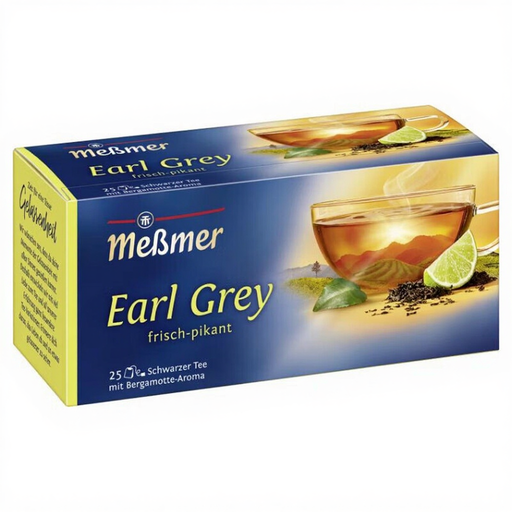
Why this product fits the profile: The 25 individually portioned bags offer a manageable introduction to Earl Grey and are suitable for a daily cup without any extra dosing equipment.
Ingredients, number of bags and individual weight are clearly stated. This makes it easy to compare the quantity objectively with other Earl Grey products.
25 tea bags, natural bergamot flavouring component according to product information, and simple preparation.
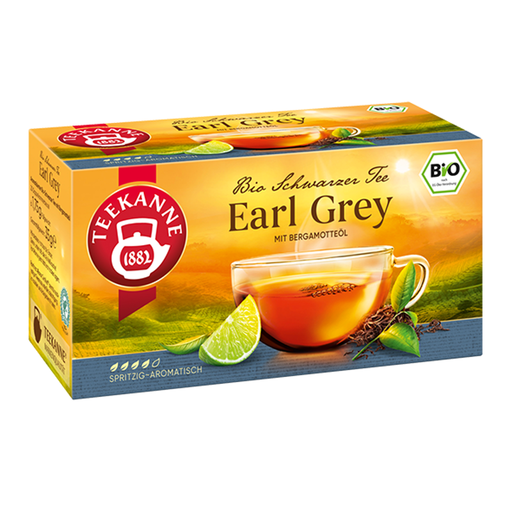
Why this product fits the profile: The combination of an organic black tea blend, bergamot oil and individually wrapped double-chamber bags appeals to buyers who care about ingredients and aroma protection.
The organic certification and stated organic content are directly verifiable in the product information. The individual wrapping reduces contact with air and foreign odours.
20 individually wrapped double-chamber bags, 95 percent organic black tea content according to product information, and bergamot oil.
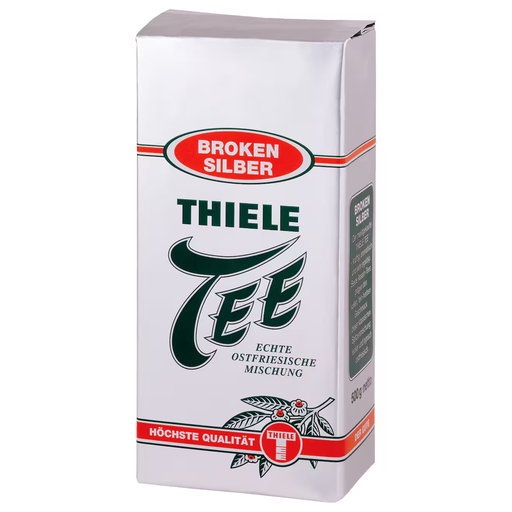
Why this product fits the profile: The 500 g pack is aimed at heavy tea drinkers and households that regularly brew loose East Frisian tea in a pot.
The recommended dosage of 8–10 g per litre and the steeping time of 3–5 minutes are provided. This makes it easier to achieve consistent results when brewing in a teapot.
500 g loose Assam black tea blend according to product description, and suitability for traditional preparation with Kluntje and cream.
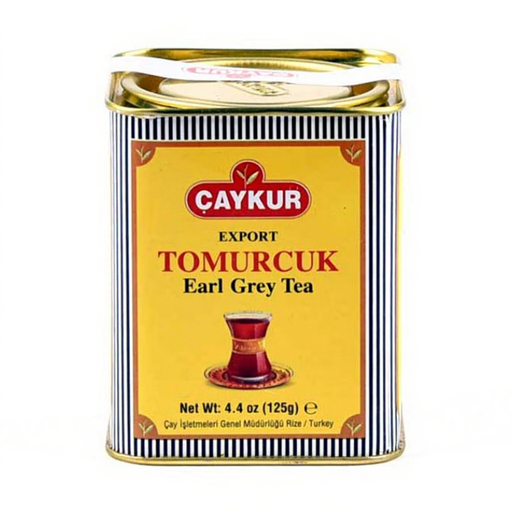
Why this product fits the profile: According to the description, this product is intended as a flavouring blend tea and can be combined with classic Turkish black tea.
The intended mixing ratio of approximately 1:4 is stated. This makes it clear that the tea is not necessarily meant to be used as a standalone base tea.
125 g pack size, black tea with bergamot flavouring component and country of origin Türkiye according to product information.
We have compiled a complete, regularly updated list of products that fully meet these strict selection criteria and the safety regulations in force in the EU.
For a cup, pour freshly boiled water over the tea bag according to the pack instructions. The steeping time for the products mentioned is typically between 2 and 5 minutes, depending on the desired strength. Steeping for longer alters the aroma and can make the taste stronger.
For loose tea, the following basic rules help:
Black tea naturally contains caffeine. People who are sensitive to it, as well as pregnant women and parents, should consider their individual tolerance and the instructions on the packaging.
The right steeping time depends on the tea type, leaf grade and desired strength. For many products, 2 to 5 minutes is recommended. For a specific dosage, follow the instructions on the individual packaging.
There is no one-size-fits-all answer. You should compare the price per 100 grams, the recommended tea quantity and the actual yield. Tea bags can involve less effort thanks to fixed portioning, while loose tea allows flexible dosing.
An airtight caddy stored in a cool, dry and dark place protects against moisture, light and foreign odours. Tea should not be kept near spices, coffee or strongly scented foods.