What to look for when buying
If you’re looking for a laptop for black-and-white portraits at a shared desk, start with the factor that matters most to you.
Compact laptop with an external monitor
A good fit if: You often change workspaces and have a suitable external monitor available to use.
The trade-off: Check the monitor, lighting and connections. Without a suitable external display, you’ll be working on the smaller built-in screen.
Larger laptop with a built-in display
A good fit if: There’s no reliable external monitor at the shared desk and you usually assess portraits directly on your laptop.
The trade-off: Compare the exact display option and check for reflections where you plan to work. A larger model also needs more desk space.
Extra performance for large files
A good fit if: You often work with large RAW collections, sizeable Photoshop files or several applications at once.
The trade-off: Choose RAM, SSD storage and graphics to suit your software. Extra headroom may be more than you need for straightforward edits to individual images.
| Priority |
What to check before buying |
Who should pay particular attention |
| Assessing tones |
Check the display option, how easy it is to view in your workspace lighting, and the available calibration and profiling options. |
If I assess skin tones and greyscale directly on my laptop, I want to be able to rely on the display at a shared desk. Around 31% of consumers put assessing tones first. |
| Moving between workspaces |
Check which monitors are available and what connections they use, then check the ports, charging connection and dimensions of the specific laptop configuration. |
If I regularly set up and pack away my laptop, size and a suitable connection to the monitor available are important to me. Around 25% of consumers prioritise moving between workspaces. |
| Performance for your workflow |
Check your software version and the files you typically work with. For Photoshop 27.x, Adobe lists 8 GB RAM as the minimum and at least 16 GB as the recommendation; other programmes have their own requirements. |
If I work with large RAW collections or several applications at once, I want to choose RAM and performance to suit my software. Around 25% of consumers put their editing workflow first. |
| Organising files |
Plan SSD capacity around your image collection and decide where to keep originals, working files and backups. Check that the laptop has connections for your existing storage devices. |
If I need to access my files and edits across several sessions, I plan my storage and file organisation together. Around 19% of consumers prioritise how they manage their work files. |
Joybuy laptops for a shared desk
The Joybuy picks below include laptops with built-in displays in 14- and 16-inch sizes, as well as configurations with different memory and performance specifications. Check that the exact specification suits your workspace and photo-editing software.
 No image available
Lenovo ThinkBook 16 G9 AHP 21UT – Ryzen 5 220, 32 GB RAM, 1 TB SSD
The 16-inch format may suit you if you’re looking for a built-in workspace for portrait editing.
The listed configuration includes an AMD Ryzen 5 220, Windows 11 Pro, 32 GB RAM and a 1 TB SSD.
View at Joybuy
 No image available
Lenovo ThinkPad E16 Gen 3 21ST – Ryzen 7 250, 32 GB RAM, 1 TB SSD
This 16-inch laptop is worth considering if you want to work directly on the device using its built-in display.
The listed configuration includes an AMD Ryzen 7 250, Windows 11 Pro, 32 GB RAM and a 1 TB SSD.
View at Joybuy
 No image available
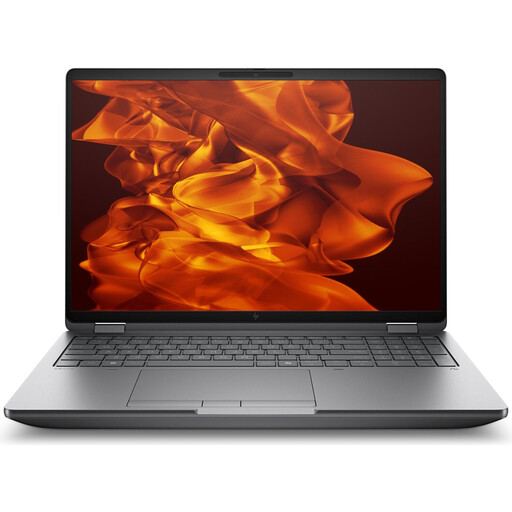
HP ZBook Fury 16 G1i Mobile Workstation – Core Ultra 9 285HX, RTX PRO 4000 Blackwell, 64 GB RAM, 2 TB SSD
This workstation specification may be useful for large files and demanding editing tasks. Check that it matches your actual needs.
The specified configuration includes an anti-glare 16-inch IPS display with 3840 × 2400 pixels, an Intel Core Ultra 9 285HX, an RTX PRO 4000 Blackwell, 64 GB RAM and a 2 TB SSD.
View at Joybuy
 No image available
MSI Prestige N16 Flip AI+ C1XMT-027Y – 128 GB DDR5, 2 TB SSD
The 16-inch 2-in-1 format is an option if you’re considering a device with different ways to use it.
The listed configuration includes a 16-inch display, 128 GB DDR5, a 2 TB SSD and Windows 11 Pro.
View at Joybuy
 No image available
HP OmniBook Ultra Flip 14-fh0670ng – Core Ultra 7 258V, 32 GB RAM, 1 TB SSD
The 14-inch format gives you a more compact built-in workspace, which may be handy if you move between workspaces.
The listed configuration includes an Intel Core Ultra 7 258V, 32 GB RAM, a 1 TB SSD and an OLED touchscreen.
View at Joybuy
Frequently asked questions
Is a display advertised as having a wide colour gamut enough for black-and-white portraits?
No. A claimed colour gamut alone doesn’t guarantee reliable tone reproduction. Assess the display in your workspace lighting; Adobe recommends calibration and profiling for consistent results.
How should I set up the display when I move between desks?
Set up a profile for the monitor you actually use, and try to keep the lighting conditions consistent when assessing images. Adobe lists brightness, contrast, gamma and white point as calibration settings; one monitor’s profile doesn’t automatically describe another.
Is 16 GB RAM essential for Photoshop?
No. For Photoshop 27.x, Adobe lists 8 GB RAM as the minimum requirement and 16 GB or more as the recommendation. Whether you’d benefit from more depends on your files and the applications you use at the same time; other programmes have their own requirements.
What should I check in a laptop listing that mentions Wi-Fi or Bluetooth?
Check the details in the specific listing rather than assuming that a single label confirms the device’s compliance. In its market surveillance guidance, Germany’s Federal Network Agency lists CE marking, product identification, manufacturer details and a declaration of conformity among the checks for products with Wi-Fi or Bluetooth.
What are the time limits for cancellations and faults when buying online in Germany?
For online orders, consumers generally have 14 days from receiving the goods to notify the seller that they wish to cancel, as explained by the Verbraucherzentrale. Statutory warranty rights are separate from a voluntary guarantee; under § 438 BGB, claims for defects are generally subject to a two-year limitation period from delivery.


