
Lieferung heute & morgen

Qualitätsgarantie

Willkommens-Angebote freischalten: KOSTENLOSE Lieferung | Bis zu 80 % RABATT | Kostenlose 30-Tage-JoyPlus-Testphase
App herunterladen
A new blanket should suit your sleeping environment, room temperature and intended use. Even so, shoppers often choose products that sound appealing in the description but fail to deliver in everyday use. When it comes to blankets and duvets, clear information about filling weight, material, size and care matters more than marketing claims.
A lightweight summer duvet can feel very different depending on its material. Without a weight per square metre, it’s hard to judge how warm it will be. A figure such as 200 GSM describes the filling’s weight per square metre, making it easier to compare products. For warm bedrooms or people who tend to sweat at night, a lower GSM is often more practical than a particularly bulky duvet.
A 135x200 cm summer duvet is generally suitable for one person. A double bed needs a larger size or two separate duvets. A blanket for a double bed can also be used as a bedspread, a light extra layer or a throw, but it isn’t necessarily designed as a traditional duvet.
A cosy blanket, sofa throw or wool blanket also serves a different purpose from a duvet. Before buying, consider whether you’ll use it for sleeping, as a decorative layer or for travelling.
Labels such as OEKO-TEX, RDS or Downpass relate to specific testing and supply-chain criteria. They don’t provide a blanket assurance about warmth or medical benefits. If you have sensitive skin or allergies, check the cover, filling, washability and specific product labelling.
A down duvet is filled mainly with down, while a feather duvet is filled mainly with feathers. Blends can combine the properties of both materials. The DOWNFOCUS Classic Design Summer Feather Down Bedding Comforter is described as having a filling of 90% feathers and 10% down, with a filling weight of 200 GSM. Its tightly woven cotton cover is intended to act as a barrier against dust mites. This describes the construction of the cover, not a medical or therapeutic effect.
Synthetic materials such as polyester are often easy to transport and can be simple to care for. However, a polyester flannel blanket should be kept away from naked flames, heaters and high temperatures. If you know you’re sensitive to synthetic fibres, pay particular attention to the material details.
Cotton and linen are popular for covers and bedspreads because they tend to feel breathable. A cotton bedspread can also be used as a bed cover or a light extra layer.
Before ordering, consider your mattress size, how much overhang you’d like and how many people will use the blanket:
For a warm winter duvet, make sure there’s enough room so that the filling isn’t constantly pulled towards the edges. In summer, a lightweight summer duvet with a lower filling weight is often easier to handle.
The care label is an important factor when choosing a blanket. Check in advance whether it’s machine washable, what temperature it can be washed at and whether it needs to dry completely. Any residual dampness can cause unpleasant smells or material problems during storage.
For a flannel blanket, a gentle wash, laundry bag and low tumble-dryer temperature may be advisable. Follow the care instructions and avoid bleach, high heat and unsuitable fabric softeners. Depending on the product, a down duvet may need special care to prevent the filling from clumping.
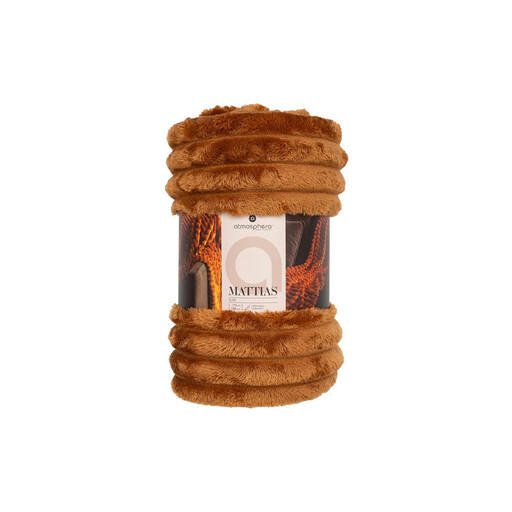
Why it suits this profile: At 130 x 170 cm, it’s suitable for a sofa, armchair, travelling or as an extra layer on the bed. The checked design also makes it a stylish throw.
The exact dimensions and 100% polyester material are stated, so you can easily distinguish it from a duvet filled with down or fibres.
Ribbed texture, anti-pilling and anti-static treatment according to the product description; machine washable in line with the care instructions provided.
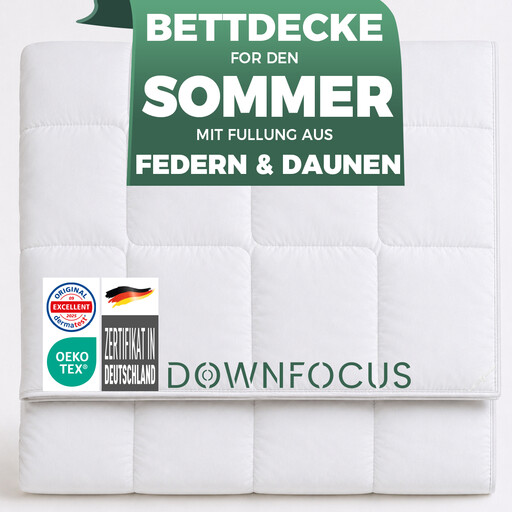
Why it suits this profile: The single size and stated filling weight of 200 GSM will appeal to shoppers looking for a lightweight summer duvet with natural filling.
The filling composition, size and GSM are clearly stated. The product description also lists OEKO-TEX, RDS and Downpass; check the scope of each certification before buying.
90% feathers and 10% down according to the product details; cotton cover and a stated 200-GSM summer filling.
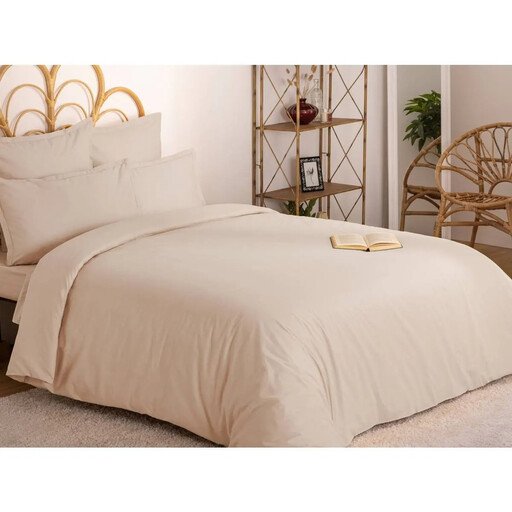
Why it suits this profile: Its generous size is suitable for double or kingsize beds and can be used as a flat blanket, a light extra layer or a bedspread.
The dimensions are clearly stated, so you can check whether the blanket will cover enough of the bed rather than relying on the ‘two-person’ label alone.
240 x 290 cm; 100% cotton according to the product details; machine washable and suitable as a bedspread or lightweight blanket.
We’ve put together a complete, regularly updated list of products that meet these strict selection criteria and fully comply with the safety regulations in force in the EU.
A lightweight summer duvet with a clearly stated GSM can be a good choice for warm nights. A breathable cover, the size you need and your own sensitivity to temperature can also help you decide. A 135x200 cm duvet is a common single size.
Its lifespan depends on the filling, stitching quality, care and how often it’s used. Regular airing, suitable cleaning and thorough drying can help keep the materials in good condition. A dirty or permanently clumped filling, or damaged seams, are signs that you may need to consider replacing it.
Check the material details, look for a tightly woven cover, read the care instructions and, where relevant, check whether the product is specifically labelled as suitable for allergy sufferers. The term hypoallergenic duvet should be assessed against specific product details. If you have known allergies or skin problems, the product description is no substitute for personalised medical advice.