
Lieferung heute & morgen

Qualitätsgarantie

Willkommens-Angebote freischalten: KOSTENLOSE Lieferung | Bis zu 80 % RABATT | Kostenlose 30-Tage-JoyPlus-Testphase
App herunterladen
The search for an effective blemish cream can often feel like an endless cycle. The market is flooded with products promising quick results, yet many leave behind only disappointment and sometimes even more irritated skin. As your Joybuy Product Recommendation Officer, I'll help you recognise the common pitfalls and make an informed decision based on your skin's actual needs.
Before we turn to solutions, it's crucial to understand the most common issues that lead to bad purchases. Many products fail not because of their core concept, but due to an unbalanced formulation.
A good face cream for blemish-prone skin should therefore always strike a balance between an effective concentration of active ingredients and soothing, hydrating care.
To make the right choice, you should pay attention not just to the marketing, but primarily to the ingredients and formulation. Here are two key points that make all the difference.
An effective acne cream combines clarifying ingredients with soothing ones. Look for a well-thought-out composition:
Not every product is intended for daily use all over the face. It's important to understand its intended purpose:
Instead of making a one-size-fits-all recommendation, we have selected products tailored to specific requirement profiles.
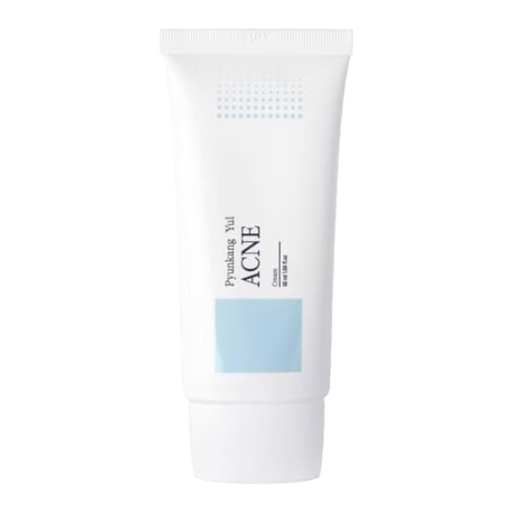
Why This Fits Their Persona: Ideal for those whose skin reacts quickly to aggressive products. This cream focuses on alleviating irritation and calming the skin while simultaneously controlling blemishes.
It bypasses the "all-or-nothing" approach by prioritising soothing ingredients like Centella Asiatica and willow bark extract. This protects the skin barrier instead of attacking it.
Formulated for daily use to calm irritation; helps clarify the skin without causing dryness.
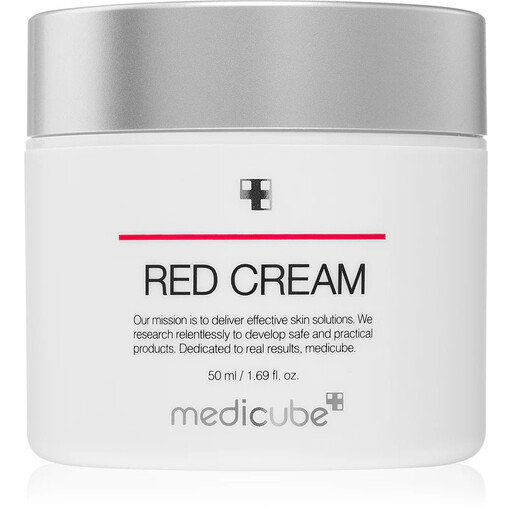
Why This Fits Their Persona: Suitable for users seeking a comprehensive formula to regulate sebum, reduce redness, and combat blemishes.
This cream does not neglect moisturisation. It combines active ingredients like Salicylic Acid and tea tree oil with hydrating and soothing components like glycerin and allantoin to keep the skin balanced.
Contains a blend of sebum-regulating Niacinamide and clarifying salicylic acid; dermatologically tested for problematic skin types.
We've compiled a complete, up-to-date list of products that fully meet these strict selection criteria and all applicable safety regulations.
The frequency of application depends on the product type. A daily face cream for blemish-prone skin is typically applied once or twice a day to a cleansed face. A spot treatment, on the other hand, is only applied as needed to individual pimples, usually in the evening as the last step of your skincare routine. Always follow the manufacturer's instructions.
Yes, salicylic acid has an exfoliating and drying effect that can irritate the skin if the concentration is too high or it's used too frequently. For this reason, it's important to choose a salicylic acid cream that also contains hydrating and soothing ingredients like hyaluronic acid, glycerin, or panthenol. Start by applying it every other day to see how your skin tolerates it.
The term "non-comedogenic" means the formula is designed not to clog pores. For people with acne-prone skin, this is a crucial criterion, as clogged pores (comedones) are a primary cause of blackheads and pimples. A non-comedogenic cream minimises this risk.