
Lieferung heute & morgen

Qualitätsgarantie

Willkommens-Angebote freischalten: KOSTENLOSE Lieferung | Bis zu 80 % RABATT | Kostenlose 30-Tage-JoyPlus-Testphase
App herunterladen
By Joybuy Product Recommendation Officer, August 28, 2026
A mask for blemishes can seem like a quick and easy solution for breakout-prone skin. But the market is flooded with products whose marketing promises often create more confusion than clarity. Many users invest in masks that worsen their skin problems or are simply ineffective. Before you make a decision, it's crucial to understand the most common pitfalls to make an informed choice.
Choosing the wrong mask not only leads to disappointment but can actually worsen your skin's condition. Watch out for these typical problems:
To find an effective acne mask that suits your skin type, you should check three core parameters. These will help you objectively evaluate a product's performance.
A good face mask for blemish-prone skin balances clarifying, absorbent, and soothing properties. Look for a well-thought-out blend of these ingredient groups:
The type of mask determines how the active ingredients are delivered to the skin and what the application experience feels like.
Instead of making a one-size-fits-all recommendation, we have identified products tailored to specific user profiles and their skin goals.
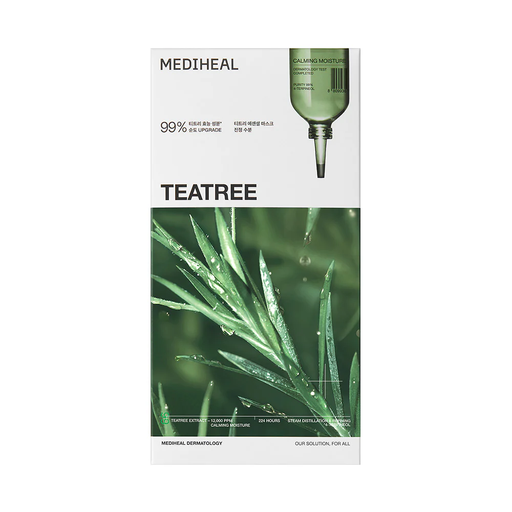
Why This Fits Their Persona: Ideal for users whose skin reacts quickly to aggressive products with redness and dryness. This sheet mask focuses on calming the skin and restoring its balance.
It bypasses the dehydration trap by combining soothing tea tree oil with intense moisture, rather than just stripping the skin of oil.
The formula has a slightly acidic pH that supports the skin's natural protective barrier. According to the manufacturer, it has been tested for low irritation potential.
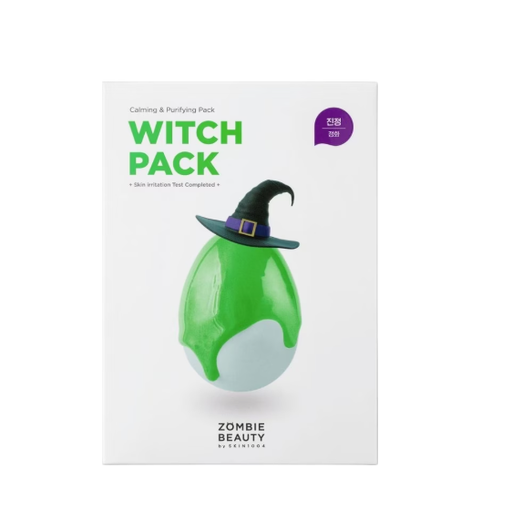
Why This Fits Their Persona: Perfect for those seeking an intense, pore-cleansing effect but want to avoid the cracking and tightening texture of classic clay masks.
This creamy clay mask does not dry out completely. Its base of 71% green tea water provides a cooling and soothing effect, preventing dehydration.
The hygienic single-serving packs guarantee fresh ingredients with every use. The combination of Kaolin and Bentonite clays effectively cleanses pores of excess sebum.
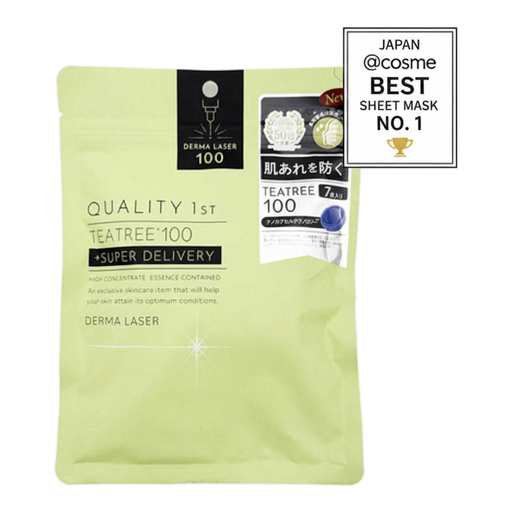
Why This Fits Their Persona: For users who need a fast and highly effective treatment for sudden blemishes and skin irritation. Ideal for a busy schedule.
It avoids the low-concentration trap with a highly concentrated tea tree oil formula and a special nanocapsule technology for deep penetration.
The application time is only 3 minutes. According to the manufacturer, the formula is free of preservatives, alcohol, and fragrance, making it suitable for sensitive skin.
We have compiled a complete, up-to-date list of products that fully meet these strict selection criteria and comply with current regulations.
1. How often should you use a mask for blemishes? The frequency of use depends heavily on the type of mask and your skin's condition. Strong, clarifying clay or activated charcoal masks should generally be used no more than 1-2 times a week to avoid overwhelming the skin. Gentler, soothing sheet masks can be integrated into your routine 2-3 times a week as needed. Always follow the manufacturer's recommendations.
2. Can a face mask make acne worse? Yes, it's possible. A mask that is too aggressive and drying can stimulate sebum production and weaken the skin barrier, which can lead to more blemishes. Likewise, comedogenic (pore-clogging) ingredients in poorly formulated products can cause breakouts. If you have sensitive skin, it is advisable to perform a patch test (e.g., on the inside of your forearm) before the first application.
3. What is the difference between a clay mask and a sheet mask for blemish-prone skin? A clay mask is primarily designed to draw excess oil and impurities from the pores (absorbent effect). It is particularly effective for oily skin and blackheads. A sheet mask, on the other hand, delivers active ingredients to the skin via a soaked fabric (occlusive effect). For blemish-prone skin, sheet masks are often formulated with soothing, anti-inflammatory, and hydrating serums to reduce redness and balance the skin without stripping it of oil.