
Lieferung heute & morgen

Qualitätsgarantie

Willkommens-Angebote freischalten: KOSTENLOSE Lieferung | Bis zu 80 % RABATT | Kostenlose 30-Tage-JoyPlus-Testphase
App herunterladen
By Joybuy Product Recommendation Officer, August 29, 2026
The search for the right facial cleanser for blemish-prone skin can often feel like an endless cycle. You try one product after another, lured by promises of clearer skin, but the result is frequently disappointing: your skin either feels dry and irritated, or the blemishes remain unchanged. This problem often stems not from a lack of effort, but from common pitfalls in the overwhelming product market.
Many consumers invest in products based on two fundamental but problematic assumptions:
This guide will help you avoid these pitfalls and make an informed decision based on your skin's actual needs.
Before you add a product to your cart, you should check three crucial factors. These determine whether a facial cleanser is suitable for your blemish-prone skin or could potentially worsen the problems.
An effective acne facial cleanser rarely relies on just one ingredient. It's the synergistic combination that makes the difference. Look for the following active ingredients:
Not every cleansing formula is suitable for every skin condition. The texture and pH level are crucial for compatibility and effectiveness.
Instead of making a one-size-fits-all recommendation, we have identified products that are tailored to specific profiles of blemish-prone skin.
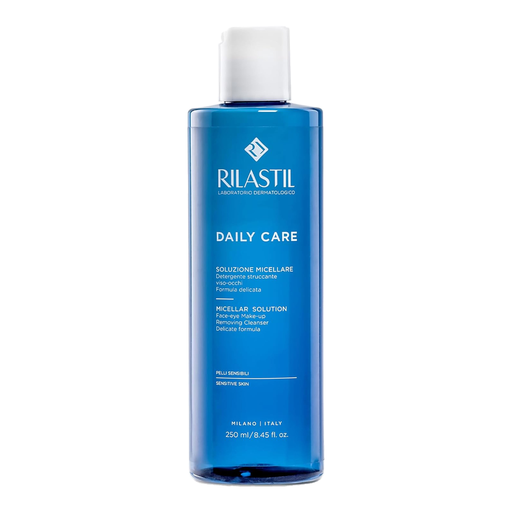
Why it's a match: An extremely gentle micellar solution that cleanses and removes makeup without rubbing. It is a great option for skin that reacts to conventional face washes with tightness, redness, or stinging.
Completely free of aggressive surfactants, alcohol, fragrances, and parabens, which are often the cause of a damaged skin barrier in sensitive skin.
The formula is hypoallergenic, according to the manufacturer, and buffered to an iso-lacrimal pH to prevent eye irritation. It soothes and preserves skin moisture.
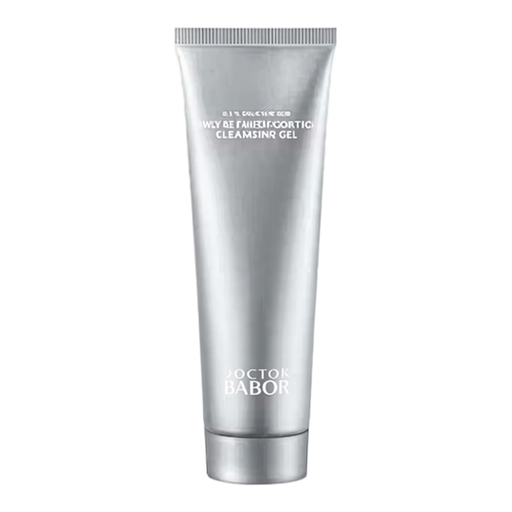
Why it's a match: Offers a balanced cleanse that tackles blemishes and excess sebum in the T-zone without stripping normal or dry areas on the cheeks. Ideal for anyone looking for an effective yet gentle solution.
It combines mild surfactants with salicylic acid for an effective but non-drying cleanse. The addition of panthenol has a soothing effect and prevents the typical feeling of tightness.
Provides a deep pore cleanse and promotes a more refined skin texture, while also reducing redness and leaving the skin feeling comfortable after use.
We've compiled a complete, up-to-date list of products that meet these strict selection criteria.
For most people with oily or blemish-prone skin, cleansing twice a day—morning and evening—is recommended. The morning cleanse removes sebum and sweat produced overnight. The evening cleanse is essential to remove makeup, sunscreen, dirt, and pollutants that have accumulated throughout the day. Over-cleansing (more than twice a day) should be avoided, as it can damage the skin barrier.
A suitable facial cleanser is a fundamental building block of any anti-acne skincare routine, but it is rarely the sole solution. It lays the foundation by keeping pores clear and removing excess sebum, allowing subsequent skincare products (like serums or creams with active ingredients) to be absorbed more effectively. For persistent or inflammatory acne, a combination of cleansing, targeted treatments, and possibly professional advice is often required.
A face wash is a foaming cleansing product that is applied with water and rinsed off. It is particularly effective at removing excess oil and is well-suited for oily skin types. A micellar water is a non-foaming liquid that is applied with a cotton pad. It cleanses very gently and typically does not need to be rinsed off, making it a good choice for sensitive, dry, or redness-prone skin. It can also be used as a first cleansing step to remove makeup before a face wash (double cleansing).