
Lieferung heute & morgen

Qualitätsgarantie

Willkommens-Angebote freischalten: KOSTENLOSE Lieferung | Bis zu 80 % RABATT | Kostenlose 30-Tage-JoyPlus-Testphase
App herunterladen
The search for the right blender can quickly become overwhelming. Whether for creamy smoothies, velvety soups, or the quick preparation of baby food—the selection is vast and the marketing promises are varied. But not every appliance delivers on its promise. As your Joybuy Product Recommendation Officer, I'll help you identify the crucial features and avoid common purchasing pitfalls, so you can make an informed decision.
Before we dive into the technical details, let's shed light on the most common marketing traps that often lead to disappointment and unnecessary expense.
To buy the right blender, you should focus on three objective criteria that determine the longevity and functionality of your appliance.
Instead of just looking at the wattage, consider the overall design. A good smoothie maker or countertop blender features sharp, flow-optimised stainless steel blades that efficiently catch and pulverise ingredients. Some manufacturers, like Braun, use special bell shapes on their immersion blenders (e.g., PowerBell technology) to reduce splashing and actively guide ingredients towards the blades. For crushing ice or frozen fruit, a combination of high power (900 watts and up) and robust blades is required.
The materials have a direct impact on safety and durability.
Think carefully about what you will primarily use the blender for.
Here are some recommendations tailored to specific use cases that meet the quality criteria mentioned above.
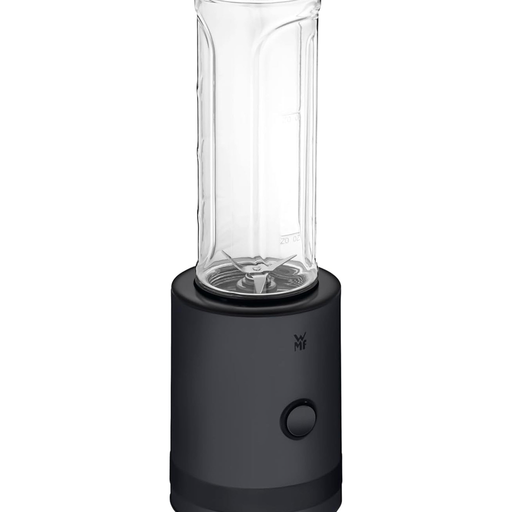
Why it's a great fit: This model is designed as a specialised blender for smoothies. Its compact size and the two included travel cups make it ideal for professionals or students who want to quickly prepare a fresh drink in the morning and take it with them.
It avoids the "all-in-one" trap by focusing on one function and executing it exceptionally well. Cleanup is straightforward thanks to the dishwasher-safe containers and detachable blade assembly.
Two 0.6-litre travel bottles made of BPA-free Tritan with leak-proof screw-on lids are included. The 4-pronged stainless steel blade can also handle ice cubes.
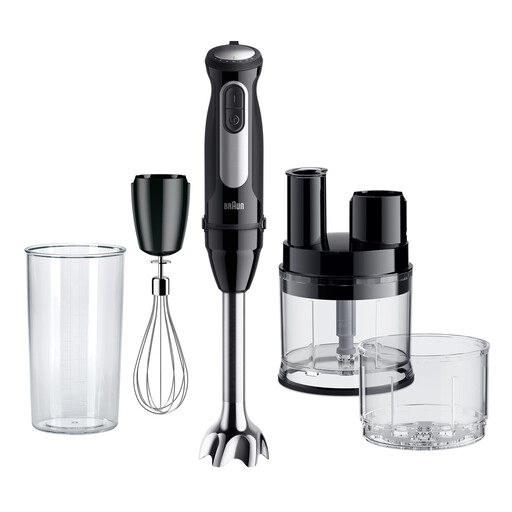
Why it's a great fit: For families and home cooks who want to do more than just blend. This Braun immersion blender set, with its 1000-watt motor and extensive accessories, offers high versatility for soups, dips, baby food, or baking prep.
This set refutes the "all-in-one" illusion with high-quality, functional attachments that are easy to swap using the EasyClick Plus system. The power is not only high but also precisely adjustable with 25 speed settings.
Extensive accessories including a chopper, whisk, and ice-crusher blade. The patented PowerBell Plus technology ensures fine results and clean operation.
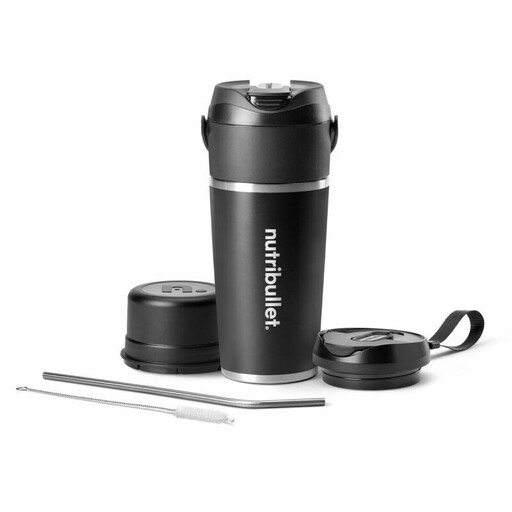
Why it's a great fit: This cordless blender is the solution for anyone who doesn't want to give up fresh smoothies on the go. It's rechargeable via USB-C and combines a blender and an insulated travel cup in one device—perfect for the gym, office, or travelling.
This device is highly specialised for portability. It doesn't promise the functionality of a full kitchen machine but delivers as a powerful cordless blender. The solid stainless steel construction avoids the quality issues of cheaper models.
According to the manufacturer, the insulated stainless steel cup keeps drinks cold for up to 24 hours. One battery charge is sufficient for over 14 blending cycles. The motor is strong enough for frozen ingredients.
We have compiled a complete, up-to-date list of products that fully meet these strict selection criteria and German safety regulations.
1. How many watts does a good blender really need? It depends on the application. For soft fruits and liquids in a smoothie maker, 300–600 watts is often sufficient. To process ice, nuts, or fibrous vegetables, models with 900 watts or more are recommended. A versatile immersion blender for soups and pesto is well-equipped with 600–1000 watts. However, the quality of the blades and the overall construction are always more important than the wattage alone.
2. Can I blend hot soups in any blender? No, caution is advised here. In tightly sealed blender jugs (as with most smoothie makers), the heat can create dangerous pressure. Countertop blenders often have lids with a ventilation opening. The safest method is to use an immersion blender directly in the cooking pot. Always check the manufacturer's specifications for the maximum temperature of the liquids to be processed.
3. What's the most effective way to clean my blender? The quickest method is to rinse the blender jug with warm water immediately after use. For countertop blenders, you can fill the jug with water and a drop of washing-up liquid and run it briefly on the highest setting. Before buying, check which parts are dishwasher-safe—this makes regular deep cleaning much easier. The motor unit must never be submerged in water and should only be wiped with a damp cloth.