
Lieferung heute & morgen

Qualitätsgarantie

Willkommens-Angebote freischalten: KOSTENLOSE Lieferung | Bis zu 80 % RABATT | Kostenlose 30-Tage-JoyPlus-Testphase
App herunterladen
A blender should finely purée smoothies, process soups and sauces, or chop ingredients. In practice, however, unsuitable purchases are often caused not by insufficient wattage, but by an unsuitable design, containers that are too small or components that are difficult to clean. Before buying, it is therefore worth considering how you will actually use the appliance.
A high wattage initially describes the appliance’s electrical power consumption. On its own, it does not indicate how evenly the appliance blends or how well the blades, container shape and motor control work together. For frozen fruit or ice, the blade geometry, a suitable pulse function and the operating time permitted by the manufacturer are also important.
The container size does not always correspond to the maximum usable liquid capacity. For example, the container supplied with the Ninja Professional Blender holds 2.1 litres, but the stated maximum liquid capacity is 1.9 litres. A 0.6-litre blending cup is also better suited to a single serving than to a family household.
Permanently fitted blades or difficult-to-reach joins can make cleaning more challenging. So look for removable parts, clear information about dishwasher suitability and food-safe materials. The description BPA-free blender should refer to the components that come into contact with food, rather than being applied indiscriminately to the entire appliance.
The design should suit how you intend to use it:
Do not compare wattage alone. The following are also relevant:
Stainless-steel blades are common among the models mentioned. What matters is whether they are approved for the intended use. Ice, hard ingredients and dry foods should only be processed if this is permitted in the instruction manual.
Dishwasher-safe parts are helpful when it comes to cleaning. The motor unit, cable and plug must never be immersed in water. Sharp blades should only be handled by the designated plastic or holder section.
Hot food requires particular care: not every kitchen blender is suitable for boiling liquids. The Ninja Professional Blender and the nutribullet Pro specifically warn against hot liquids. Before preparing soup, therefore, check the temperature limit for the model in question.
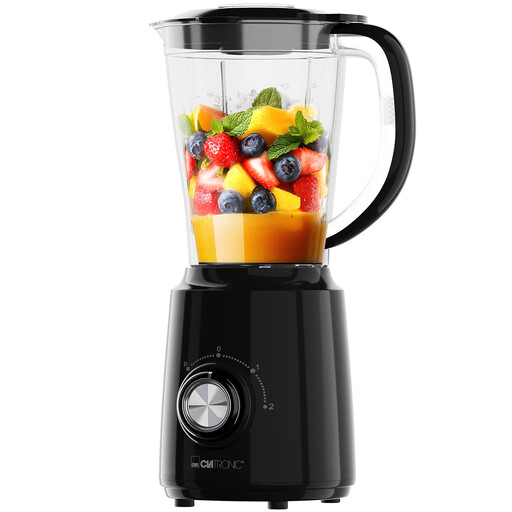
Why this product suits this profile: This jug blender has a 1.5-litre container, three speed settings and a pulse/turbo function, making it suitable for smoothies, sauces and smaller family portions.
The stated container size, BPA-free design and removable stainless-steel blades make choosing and cleaning easier.
500 W, 1.5-litre container, ice-crushing function and safety switch according to the product information.
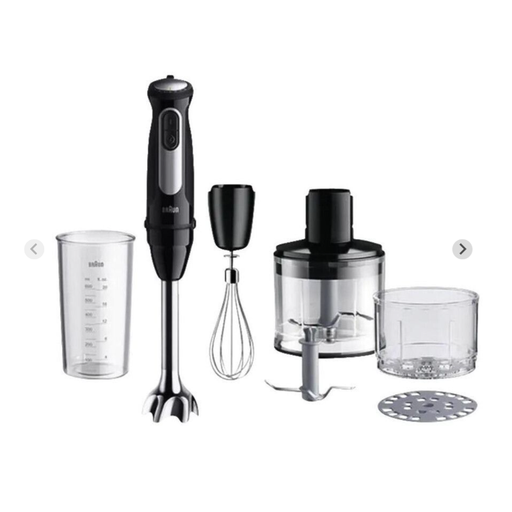
Why this product suits this profile: This hand blender is an appealing choice for anyone who wants to process soups and sauces directly in a suitable container and use several speed settings.
25 speed settings plus turbo allow for graduated control rather than relying solely on wattage.
1000 W, stainless-steel blending shaft, ice-crushing function, plus BPA-free and dishwasher-safe food-contact parts according to the product description.
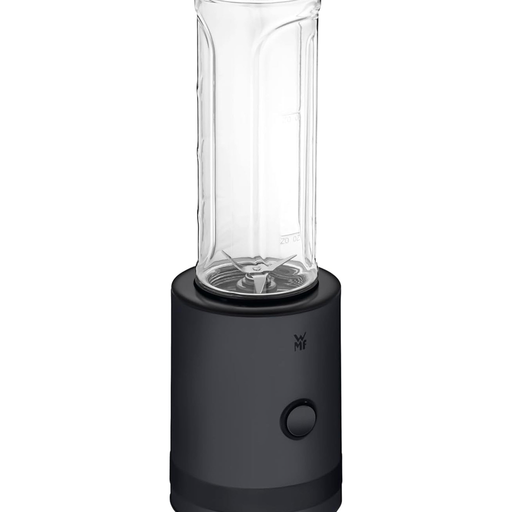
Why this product suits this profile: Two 0.6-litre containers with drinking lids are ideal for single servings at the office, after sport or on the go, while taking up comparatively little worktop space.
The clearly limited 0.6-litre capacity prevents unrealistic expectations about family-sized quantities; the containers are designed for taking drinks with you.
300 W, 23,000 rpm, four stainless-steel blades and dishwasher-safe containers according to the product information.
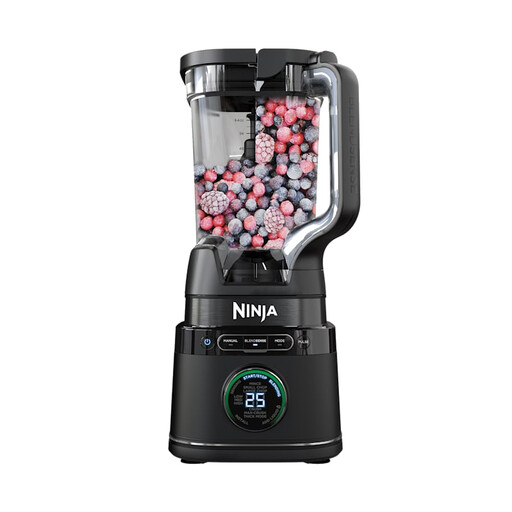
Why this product suits this profile: The large container is designed for bigger portions and can be useful for smoothies, frozen drinks and prepared foods in a family household.
The maximum liquid capacity of 1.9 litres is stated separately. This makes it easier to plan the actual usable quantity.
1000 W, six stainless-steel blades, three speeds plus pulse, and a BPA-free container with dishwasher-safe removable parts according to the product description.
We have put together a complete, regularly updated list of products that fully meet these strict selection criteria and the safety regulations applicable in the EU.
For single servings, a smoothie blender or personal blender with a drinking cup is practical. For several people, a jug blender with at least around 1.2 to 1.5 litres offers more flexibility. For frozen fruit or ice, look specifically for a stated ice-crushing function.
A hand blender is generally suitable for soups and sauces, provided the model and the container being used are designed for this purpose. With hot liquids, temperature limits and splash protection must be observed. The blending shaft should be immersed deeply enough to reduce splashing.
Consumption depends on the power rating in watts and the actual operating time. A 1000 W appliance running for one minute uses approximately 0.017 kWh in theory. Short blending intervals, suitable portion sizes and breaks can reduce both consumption and strain on the motor.