
Lieferung heute & morgen

Qualitätsgarantie

Willkommens-Angebote freischalten: KOSTENLOSE Lieferung | Bis zu 80 % RABATT | Kostenlose 30-Tage-JoyPlus-Testphase
App herunterladen
A blender should reliably handle smoothies, shakes, soups, purées and ice as part of your everyday routine. There’s a wide choice, from classic kitchen blenders and personal blenders to cordless blenders for taking on the go. But product pages often promote high wattage, lots of functions and especially compact designs. These details alone don’t tell you whether a model is right for your household.
A 1,000 W blender may sound more powerful than a 500 W blender at first. But motor power is only one factor. The blade design, jug shape, permitted running time and recommended ingredient quantity are just as important. A personal blender with 600 to 900 W may be suitable for individual smoothies, while a 500 W stand blender may need to be used differently for larger quantities.
A 1.5-litre jug is suitable for several portions, but it shouldn’t always be filled to the brim. Hot liquids and ingredients that foam heavily need extra room. For a one-person household, a mini blender with a capacity of 475 to 600 ml may be more practical. Families, on the other hand, are more likely to benefit from a larger jug.
The label blender with ice-crush function doesn’t automatically tell you how much ice the appliance can handle. Check the instructions: some portable models allow only a few ice cubes per cycle, while stand blenders may offer short pulses or a separate function. Frozen fruit should also be added in suitable quantities and with enough liquid.
The models below cater to different needs. The details are based on the product descriptions and technical specifications for each model.
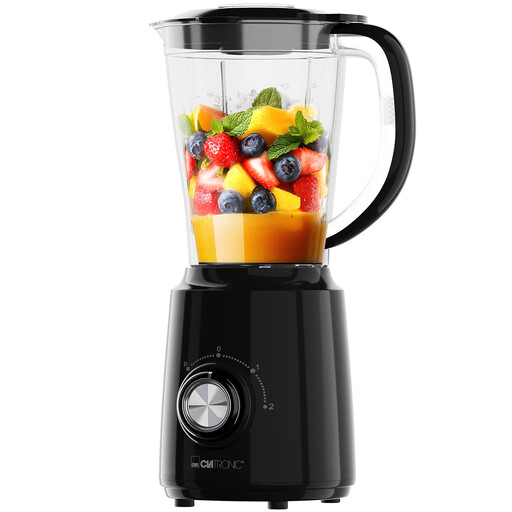
Why this product suits this profile: This classic kitchen blender has a 1.5-litre capacity, three speed settings, plus pulse and ice-crush functions for everyday blending.
The specifications clearly state the motor power, capacity and functions. According to the product description, the jug is BPA-free and has measurement markings.
500 W motor, four stainless steel blades, 1.5-litre jug and safety interlock.
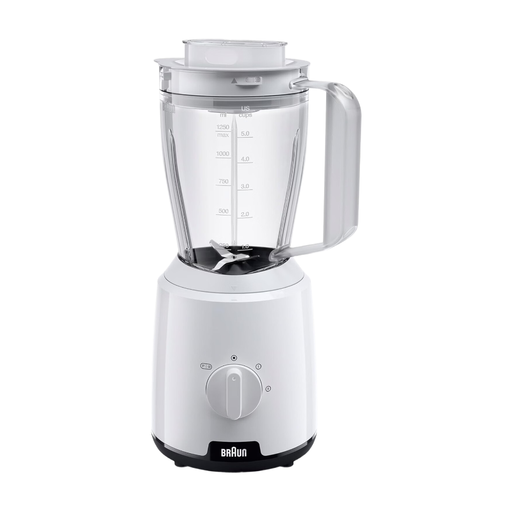
Why this product suits this profile: This stand blender combines 600 W of power with a 1.5-litre capacity, two speed settings, pulse operation and an ice-crush function.
The product specifications describe a three-part safety system and a maximum running time of two minutes, followed by a cooling break.
TriAction jug design, dishwasher-safe removable parts and a compact design.
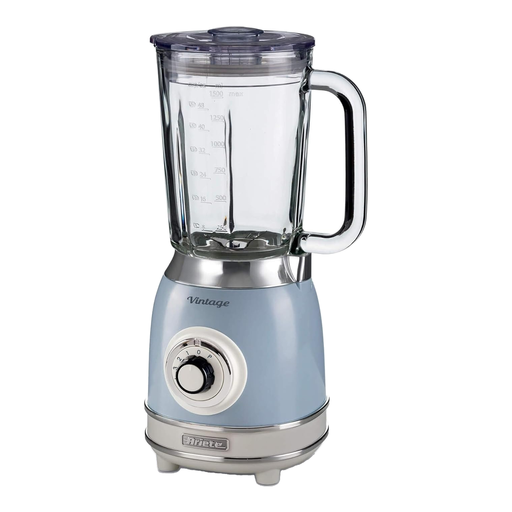
Why this product suits this profile: This 1,000 W blender is designed for households that need multiple speed settings, a glass jug and regular ice crushing.
Four speed settings and a pulse function give you more control than a model with just one automatic programme.
1.5-litre glass jug, four stainless steel blades and dishwasher-safe components.
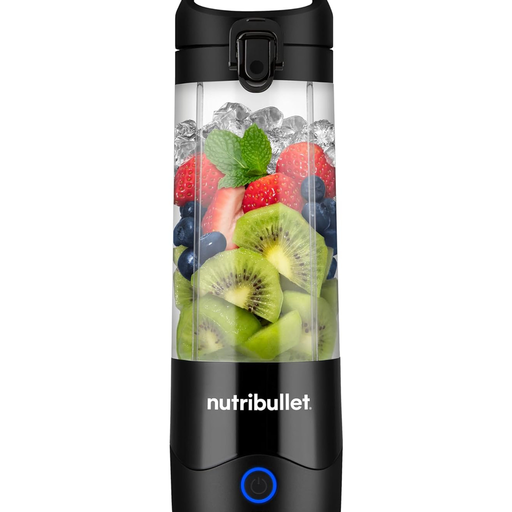
Why this product suits this profile: This portable blender is cordless, charges via USB-C and comes with a 475 ml cup for individual drinks.
The battery is said to last for over 15 cycles per charge. The manufacturer also advises using short blending cycles and making sure the blade attachment is securely fitted.
Weighs 860 g, has a USB-C charging port and, according to the product details, a BPA-free Tritan cup.
We’ve put together a complete, regularly updated list of products that meet these strict selection criteria and fully comply with the safety regulations in force in the EU.
For individual portions, a smoothie maker or personal blender with a travel cup is often enough. For several people, a stand blender with a capacity of around 1.2 to 1.5 litres is more practical. When blending frozen ingredients, consider the motor power, blades and ice-crush specifications together.
There’s no single answer. It depends on how often you use it, the ingredients you blend, how you clean it and whether you follow the recommended running times. Let the motor cool down after short cycles, don’t exceed the maximum fill level, and clean the blades and seals straight after use.
Electricity costs depend on the blender’s power and running time. A 500 W model running for two minutes uses around 0.017 kWh. A 1,000 W blender uses around 0.033 kWh over the same period. The actual cost depends on your electricity tariff. With cordless models, you’ll also need to account for charging losses and the battery’s charging cycle.