
Lieferung heute & morgen

Qualitätsgarantie

Willkommens-Angebote freischalten: KOSTENLOSE Lieferung | Bis zu 80 % RABATT | Kostenlose 30-Tage-JoyPlus-Testphase
App herunterladen
A blender should reliably make smoothies, shakes, sauces, soups and crushed ice for everyday use. In practice, unclear power ratings, jugs that are too small and blades that are difficult to access often lead to disappointing purchases. A smoothie blender with a high wattage won’t automatically be right for every household, either.
This buying guide explains which specifications really matter and which blender best suits different needs.
Motor power is an important indicator, but it doesn’t tell you everything about the results. The blade design, jug shape, speed settings and permitted running time all affect how the blender performs. A 1,300-watt model may be less practical for small quantities than a compact personal blender.
So, look at how these features work together:
A 1.5-litre jug isn’t necessarily suitable for blending 1.5 litres of liquid. You need to stay within the maximum fill line to prevent ingredients spilling over while blending. Families may benefit from a larger jug, while single portions leave less behind in a personal blender.
Blades that are difficult to remove, lots of seals and parts that aren’t dishwasher-safe can all make cleaning take longer. Before buying, check whether the jug, lid and blades can be removed, and which parts are dishwasher-safe. The motor unit must never be immersed in water.
A compact kitchen blender is usually enough for simple smoothies made with soft fruit. If you regularly blend frozen fruit, nuts or ice, look for a suitable ice-crush function, several speed settings and pulse control.
Running time matters, too. Some models can only run continuously for 60 seconds, while others can run for up to two minutes. The motor needs time to cool down between cycles. Always follow the instructions in the relevant user manual.
A BPA-free blender may appeal to households that prefer plastic jugs. However, BPA-free materials don’t indicate how scratch-resistant or heat-resistant the jug is. A blender with a glass jug is heavier, but may be less prone to retaining odours. Glass jugs must sit securely on the motor unit and shouldn’t be exposed to extreme temperature changes.
Follow the manufacturer’s instructions when blending hot ingredients. According to their product descriptions, several of the appliances featured here aren’t designed for hot liquids. So, allow soup ingredients to cool first, unless the instructions say otherwise.
A blender with a capacity of 1.2 to 2.1 litres is suitable for making several portions. For the office, gym or commute, a portable blender with a drinking cup is more practical. Rechargeable models need regular charging and have a limited capacity. For on-the-go models, also check the lid, how easy the blades are to clean and how many blending cycles you can get from one charge.
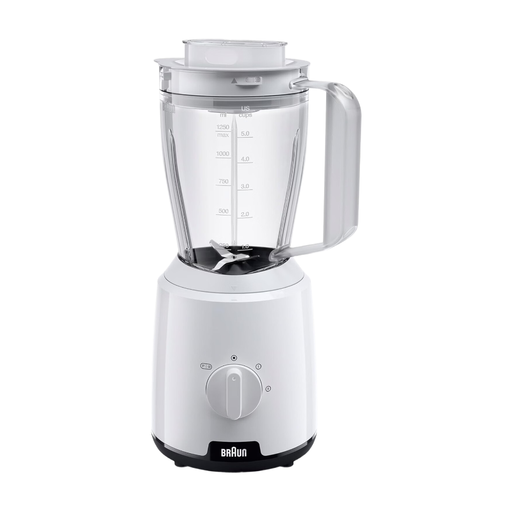
Why this product suits your needs: This compact blender offers 600 watts, a 1.5-litre jug, two speeds, a pulse function and a separate ice-crush setting for everyday drinks and purées.
The product specifications list practical features rather than just a wattage. According to the description, the jug, lid and blades are dishwasher-safe.
1.5-litre capacity, compact design and an integrated three-way safety system.
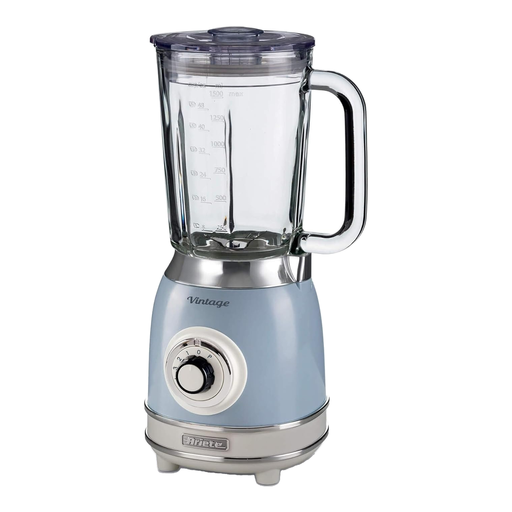
Why this product suits your needs: This blender with a glass jug combines a 1.5-litre capacity with 1,000 watts, four speeds, a pulse function and an ice-crush function.
The glass jug means you don’t have to rely as much on claims about plastic. The four stainless steel blades and choice of speeds let you tailor blending more precisely to your ingredients.
Glass jug, four speed settings, dishwasher-safe components and non-slip feet.
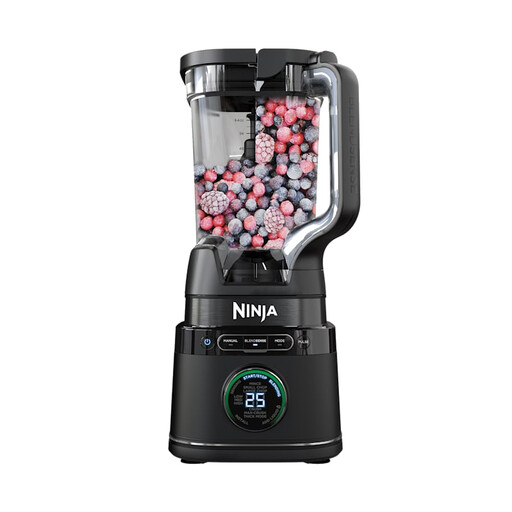
Why this product suits your needs: With 1,000 watts, a 2.1-litre jug, three speeds and a pulse function, this blender is suitable for larger quantities and frozen ingredients.
The product description distinguishes between the jug’s capacity and its maximum liquid capacity of 1.9 litres, making the usable limit easier to understand.
Large jug, six-blade stainless steel assembly, removable dishwasher-safe parts and BPA-free jug material according to the product specifications.
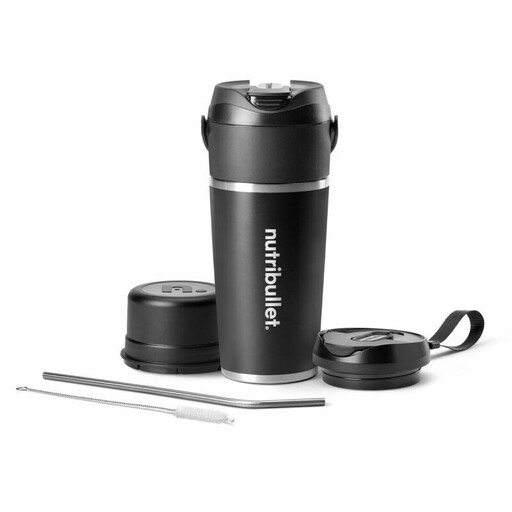
Why this product suits your needs: This rechargeable portable blender comes with a 590-millilitre insulated stainless steel cup, USB-C charging and a drinking lid for use on the go.
The limited portion size is clearly stated. For ice, the product description recommends a maximum of three to four ice cubes per cycle.
Cordless operation, USB-C charging, insulated stainless steel cup and more than 14 blending cycles per charge, according to the product specifications.
We’ve put together a complete, regularly updated list of products that meet these strict selection criteria and fully comply with the safety regulations in force in the EU.
Compact models with around 300 to 600 watts are often enough for soft fruit and simple shakes. For frozen ingredients, ice or nuts, more power and a suitable blade design are advisable. Always assess wattage alongside running time, speed settings and features.
Lifespan depends on how often you use it, the ingredients you blend, how you clean it and whether you allow it to cool down between cycles. Overfilling, prolonged operation without liquid and blending for too long can put strain on the motor and seals. It isn’t possible to give a reliable estimate of lifespan without knowing how the blender will be used.
Electricity consumption depends on the blender’s power rating and how long it actually runs. A 1,000-watt appliance uses around 0.167 kilowatt-hours when run for ten minutes. As blenders usually only run for short periods, the purchase price, cleaning, spare parts and choosing the right capacity also affect the overall cost.