
Lieferung heute & morgen

Qualitätsgarantie

Willkommens-Angebote freischalten: KOSTENLOSE Lieferung | Bis zu 80 % RABATT | Kostenlose 30-Tage-JoyPlus-Testphase
App herunterladen
A blender should make creamy smoothies, crush ice and be as easy to use as possible day to day. In practice, though, some buying decisions can lead to disappointment. A high-wattage appliance won’t necessarily suit every purpose, a large jug isn’t always space-saving, and a travel cup can be impractical if it’s difficult to clean or doesn’t seal properly.
This buying guide explains which details really matter when choosing a jug blender, smoothie maker or personal blender, and which models may suit different households and situations.
Motor power is often highlighted as a key selling point. On its own, however, it doesn’t tell you how a blender will perform in everyday use. Speed, blade design, jug shape, running time and the ingredients it’s designed to handle all matter too.
A compact smoothie blender may be enough for soft fruit and shakes. If you regularly blend frozen fruit, ice or tougher ingredients, look for a dedicated ice-crushing function, suitable blades and clear guidance on use.
A jug with a capacity of 1.5 or 2.1 litres can’t necessarily be filled to the brim. Manufacturers often mark a maximum fill line. For example, the Ninja Professional Blender has a 2.1-litre jug, with a maximum liquid capacity of 1.9 litres.
A large kitchen blender is useful for family-sized portions, but takes up more worktop space. For one person or an office, a personal blender with a capacity of 600 to 900 millilitres may be more practical.
A blender with travel cups is only convenient if the cups, lids and blades are easy to clean and seal securely. With a portable blender, you’ll also want to consider battery life, charging port, weight and whether the jug doubles as a drinking cup.
A blender with a grinder cup should only be used with the dry ingredients specified by the manufacturer. Check the instruction manual, maximum quantities and permitted running times before you buy.
For occasional smoothies and shakes, a mid-range appliance may be enough, depending on the recipe. According to its product specifications, the Clatronic UM 3845 has a 500-watt motor, three speed settings and a turbo or pulse function. The Braun PowerBlend 1 has 600 watts, two speeds, pulse operation and an ice-crushing function.
A high-performance blender with more powerful motor may be worth considering if you blend regularly or use tougher ingredients. However, always consider the power rating alongside the safety instructions. The Nutribullet Ultra NB1206GO-MC has a stated power of 1200 watts and recommends short cycles of up to 30 seconds, followed by a cooling break.
Glass is neutral in taste and scratch-resistant, but heavier. Plastic jugs are usually lighter and better suited to everyday transport. If a product is BPA-free, this should be stated clearly in the technical specifications or product description.
For single portions, look for a capacity of 0.5 to 0.9 litres. A blender for shakes and smoothies with a capacity of 1.2 to 1.5 litres is more versatile for several people. Check the maximum fill line and whether the jug is dishwasher-safe.
Removable blades, dishwasher-safe accessories and a feed opening can make cleaning easier. The motor unit should never be immersed in water. Always handle sharp blades by the designated plastic base.
It’s also worth looking for safety locks, non-slip feet and overheat protection. According to the product description, the HoninJoy Smoothie Blender only operates when the cup or blade attachment is locked in place correctly. Some models have specific restrictions on blending hot liquids; many aren’t designed for this.
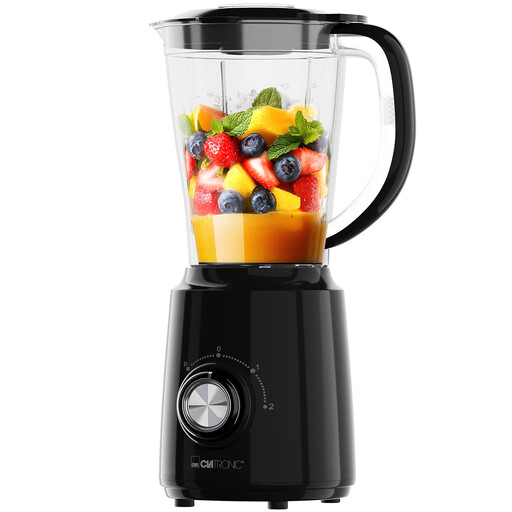
Why this product suits this profile: The 1.5-litre jug, 500-watt motor and three speed settings cover everyday household tasks such as making smoothies, shakes and sauces.
The product specifications clearly state the jug size, BPA-free material, pulse/turbo function and removable stainless steel blades, rather than relying on a high wattage as its sole selling point.
1.5-litre capacity, four stainless steel blades, ice-crushing function and safety cut-off.
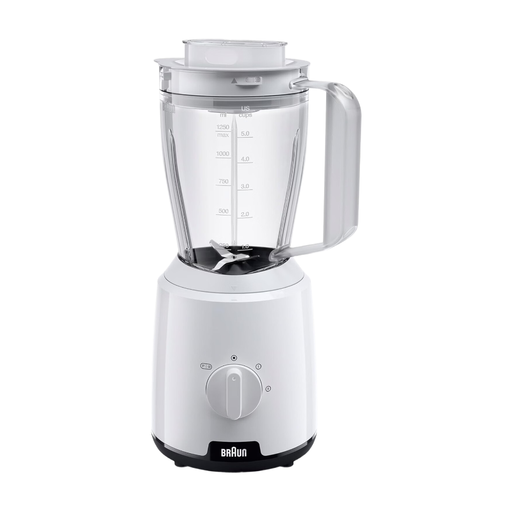
Why this product suits this profile: The 1.5-litre jug, TriAction jug design and stated safety features make it a good fit for regular household use.
The specifications state a maximum continuous running time of two minutes and give guidance on cooling breaks, making it easier to plan how you use the blender.
600 watts, two speeds plus pulse and ice-crushing functions, and removable dishwasher-safe parts.
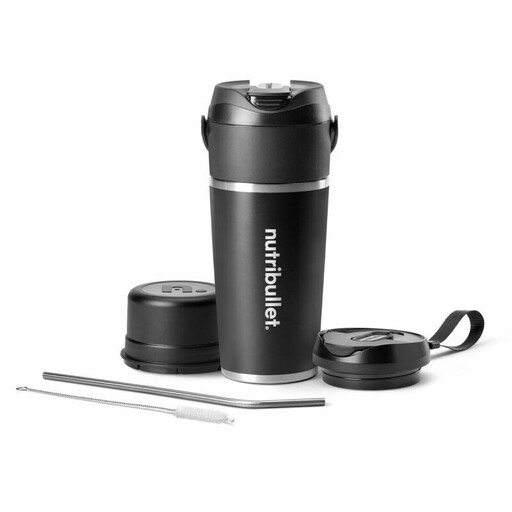
Why this product suits this profile: This battery-powered blender has a USB-C port, a 590-millilitre insulated cup and a carry handle, making it suitable for single portions on the go.
The power source, USB-C charging port, capacity and short operating intervals are all clearly stated, making it easier to plan for use away from a power socket.
Rechargeable 11.1-volt battery, insulated stainless steel cup and travel drinking lid.
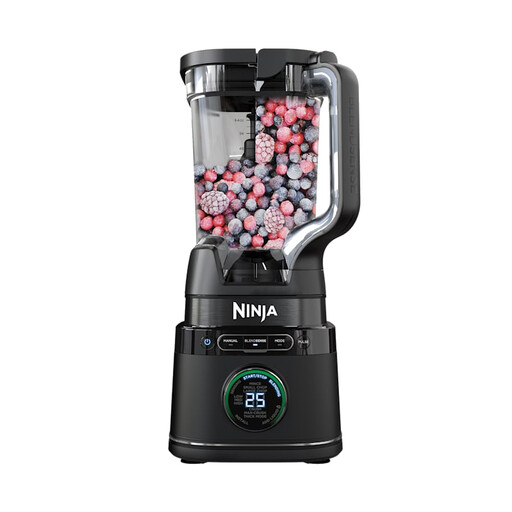
Why this product suits this profile: The 2.1-litre jug, with a maximum liquid capacity of 1.9 litres, is ideal for larger portions, meal prep and frozen drinks.
The product specifications distinguish between total capacity and maximum liquid capacity, and state a maximum running time of 60 seconds.
1000 watts, three speeds plus pulse function, six stainless steel blades and stated BPA-free materials.
We’ve put together a complete, regularly updated list of products that meet these strict selection criteria and fully comply with the safety regulations applicable in the EU.
It depends on what you’ll use it for. A mid-powered model may be enough for soft fruit, milkshakes and simple smoothies. For ice, frozen ingredients or frequent larger batches, suitable blade design, a pulse function and clear manufacturer guidance are important too. Wattage alone isn’t a reliable indicator of quality.
There’s no single answer. It depends on how often you use it, the ingredients you blend, how you clean it and whether you follow the recommended running times. Overfilling, running the blender empty, using hard items that aren’t approved for blending and running it for too long can all put strain on the motor and blades.
Electricity use depends on the appliance’s power rating and how long you run it for. A 1000-watt blender running for one minute uses around 0.017 kilowatt-hours. For running costs, short blending times and how often you use the appliance matter more than the rated power alone.