
Lieferung heute & morgen

Qualitätsgarantie

Willkommens-Angebote freischalten: KOSTENLOSE Lieferung | Bis zu 80 % RABATT | Kostenlose 30-Tage-JoyPlus-Testphase
App herunterladen
A blender should do more in a home than simply puréeing fruit. Smoothies, shakes, soups, sauces, cocktails and crushed ice all place different demands on the motor, blades, container and controls. However, if you base your choice solely on wattage, eye-catching design or marketing claims, you will not automatically buy the right blender.
Three common pitfalls occur particularly often when choosing a blender:
For soft ingredients such as bananas, berries or yoghurt, a compact smoothie maker with lower power is often sufficient. If you regularly want to process frozen fruit, nuts, fibrous vegetables or ice, you should also check the use recommended by the manufacturer.
A high-performance blender with 2,000 watts is not necessary for every household. What matters more is:
Depending on their design, multiple stainless steel blades can capture ingredients more thoroughly. A pulse function is useful when you want to adjust the consistency gradually or ingredients only need to be chopped briefly. For ice, only use a function expressly designed for this purpose.
A blender with a glass container is relatively heavy, but may appeal to users who prefer a sturdy container material. Glass generally absorbs fewer odours than some plastics. At the same time, the container should be handled carefully, as impacts or significant temperature changes can cause damage.
Plastic containers made from Tritan or similar materials are lighter and often easier to handle. Look for clear manufacturer information such as BPA-free, dishwasher-safe components and the permitted fill volume.
A 1.5-litre blender is suitable for several portions, for example in a family household or when preparing a larger quantity of soup. For a single portion, a model holding around 600 millilitres is often sufficient. The key question is whether the container is actually designed for the portion size and type of ingredients you want to use.
Rotary dials with several settings are straightforward and easy to understand. Programmes, touch controls or automatic cleaning functions can make operation more convenient, but are not essential for every use.
Before buying, check the following:
Hot liquids should only be processed if the operating instructions expressly permit this. Several of the appliances presented here warn against blending very hot or boiling liquids. The blades are sharp, so always unplug the appliance before assembling, dismantling or cleaning it.
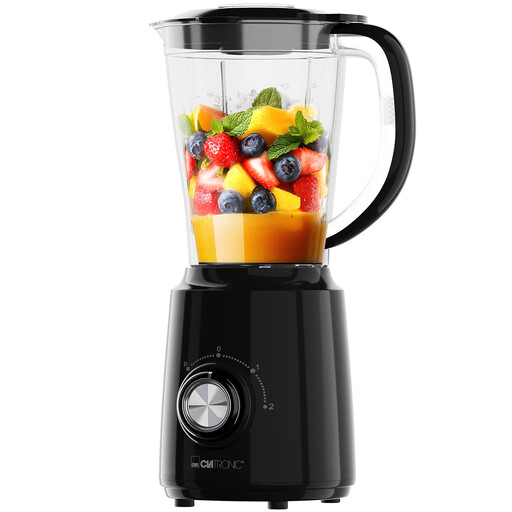
Why this product suits this profile: This blender combines 500 watts, a 1.5-litre container, three speed settings, plus turbo and ice-crush functions for typical household tasks.
The product information specifies a BPA-free container, removable stainless steel blades and a safety cut-out. This makes the material and cleaning details easier to assess.
1.5-litre capacity, four-part stainless steel blades and a lid with filling opening.
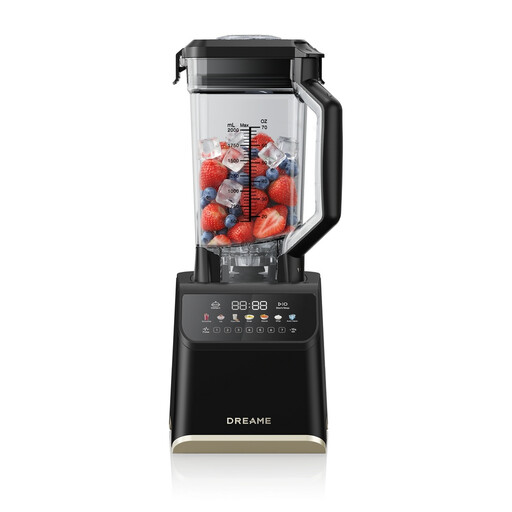
Why this product suits this profile: Designed for frequent preparation, this model offers 2,000 watts, seven speed settings, nine programmes and containers holding 2.0 and 0.7 litres.
The choice of programmes and separate containers makes the intended uses clear. According to the product information, hot liquids are limited to 60 °C.
BPA-free Tritan cups, an auto-clean programme and dishwasher-safe cups and lids.
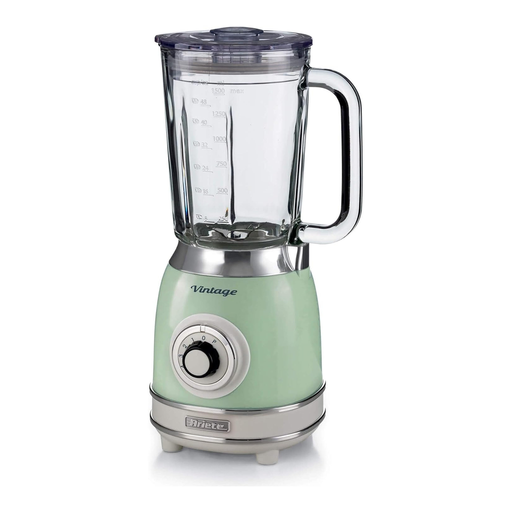
Why this product suits this profile: This retro blender is designed for larger quantities as well as smoothies, creams and ice, combining a glass container with 1,000 watts of power.
The features include four speeds, an ice-crushing function and dishwasher-safe components. This makes it easier to compare the appliance with your specific usage habits.
1.5-litre glass container, four stainless steel blades and non-slip feet.
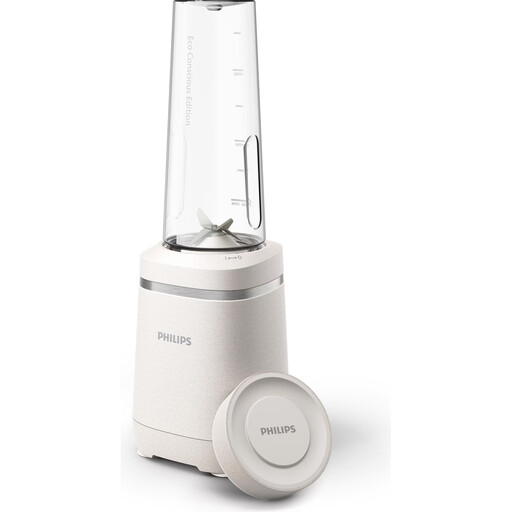
Why this product suits this profile: With a capacity of 600 millilitres and a compact design, this model is intended for individual smoothies and limited storage space.
The smaller capacity prevents you from paying for a large container that is rarely used. The product information also indicates BPA-free materials.
350 watts, Tritan container, stainless steel blades and dishwasher-safe removable parts.
We have put together a complete, regularly updated list of products that fully meet these strict selection criteria and the safety regulations applicable in the EU.
For soft fruit and simple shakes, 350 to 500 watts may be sufficient. Higher power ratings are useful for frequent ice crushing, frozen ingredients or larger quantities. However, wattage alone is not a complete indicator of quality. You should also consider the blades, speed settings, container shape and manufacturer approvals.
The service life depends on how often it is used, the ingredients, cleaning and care. Overloading, incorrect fill levels or hard ingredients that are not approved for use can place greater strain on the motor and blades. Keeping the motor unit dry and clean, fitting the seals correctly and using the appliance according to the instructions can help support reliable operation. It is not possible to give a responsible general estimate of service life.
Electricity costs depend on power consumption and running time. A 1,000-watt appliance uses approximately 0.167 kilowatt hours after ten minutes of operation in theory; in practice, a blender usually runs for considerably less time. To calculate your own costs, multiply the power consumption in kilowatts by the operating time in hours and your electricity tariff. More intensive programmes may increase consumption, while short pulse intervals require correspondingly less running time.