
Lieferung heute & morgen

Qualitätsgarantie

Willkommens-Angebote freischalten: KOSTENLOSE Lieferung | Bis zu 80 % RABATT | Kostenlose 30-Tage-JoyPlus-Testphase
App herunterladen
The selection of kitchen blenders is vast, and the marketing promises are often even vaster. From extremely high wattages to countless functions, it's easy to get overwhelmed and buy an appliance that doesn't meet your actual needs. As your Joybuy Product Recommendation Officer, I'll help you identify the crucial features and sidestep common purchasing traps. This guide is based on objective parameters to provide you with a factual basis for your decision.
Before we dive into the technical details, let's debunk two prevalent marketing myths that often lead to unsatisfying purchases.
To find the right appliance for your needs, you should focus on three core aspects instead of being swayed by advertising slogans.
Not every blender is suitable for every task. Choosing the right type is the first and most important step.
As mentioned, wattage alone is not a definitive measure. Pay attention to the complete package:
The most practical appliance is the one you enjoy using. Complicated cleaning often leads to the blender gathering dust in the cupboard. Check if the removable parts (container, blades, lid) are dishwasher-safe. A simple design without hard-to-reach corners makes manual cleaning significantly easier.
Here are some models that represent a considered choice for specific user profiles, based on their objective features.
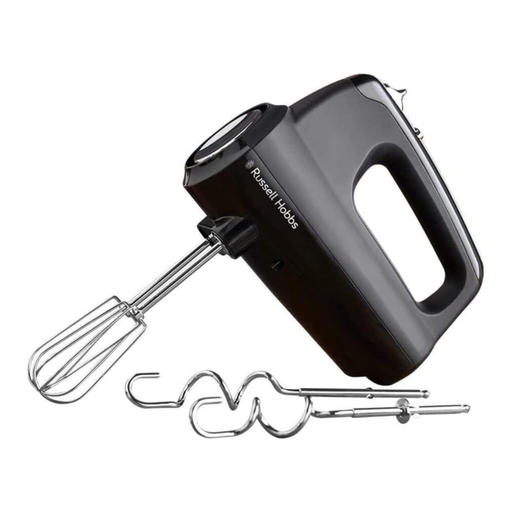
Why it's a great fit: This model focuses on the core competencies of a hand mixer. It is a reliable tool for anyone who regularly bakes cakes, whips cream, or prepares light doughs. The upright storage position is a practical detail for a clean workspace.
It avoids the "all-in-one" illusion by focusing on the essentials: mixing and kneading. The 350 watts are perfectly sufficient and efficiently sized for these tasks.
It includes both dishwasher-safe whisks and dough hooks. The eject button ensures safe and easy handling.
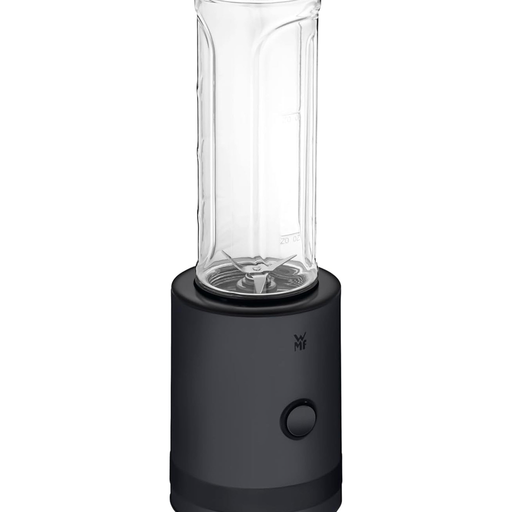
Why it's a great fit: This device is specifically designed for making smoothies to take with you. The two included Tritan drinking containers are practical for daily use and fit in most cup holders.
It sidesteps the wattage myth. The 300 watts, combined with 23,000 RPM and the 4-wing stainless steel blade, are perfectly adequate for blending fruits and vegetables. The device doesn't overpromise.
Two dishwasher-safe and leak-proof 0.6-litre drinking containers are included. The compact design saves valuable counter space.
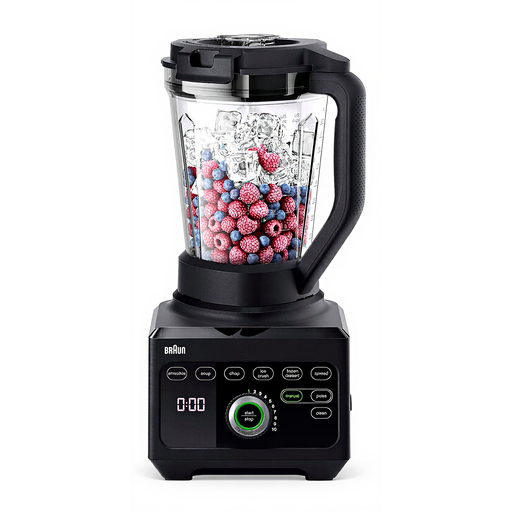
Why it's a great fit: For users who want to prepare more than just standard smoothies. With 1600 watts, 10 speed settings, and special programs, this high-performance blender offers the control and power to tackle even demanding recipes.
The high wattage is justified here by smart technology. The iTextureControl and the triangular jug shape (TriAction Technology) show that the focus is on the result, not just raw power.
The iTextureControl allows you to choose between three textures (smooth, medium, coarse) for 18 different blending results. The stainless steel blades, made in Solingen, stand for durability and sharpness.
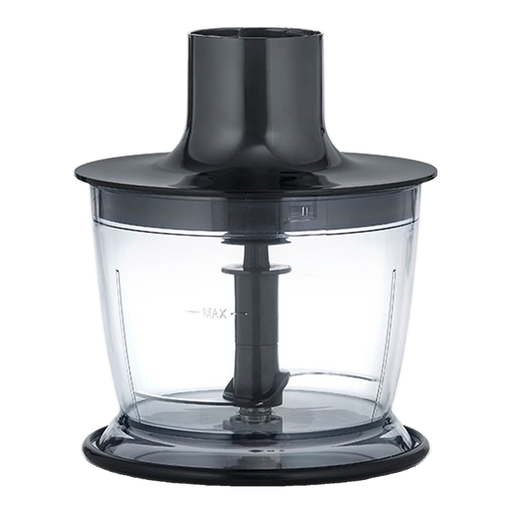
Why it's a great fit: For anyone seeking maximum flexibility without cable clutter. This set covers many tasks with a whisk, chopper, and potato masher, and can be used anywhere in the kitchen thanks to its battery operation.
This set is modular rather than a compromise. Each attachment is optimised for its specific task. Furthermore, cleaning is simplified by the detachable, easy-to-clean parts.
The battery operation allows for blending directly at the stove or chopping on the kitchen island without searching for an outlet. The quick-charge function (15 min. for approx. 5 soups) increases its readiness for use.
We have compiled a complete, up-to-date list of products that fully meet these strict selection criteria and German safety regulations.
1. How many watts does a good kitchen blender really need? It depends on the appliance type and intended use. For a hand mixer that mainly mixes batter and whips cream, 300 to 400 watts are sufficient. A stand blender for occasional smoothies benefits from 500 to 800 watts. If you regularly process hard ingredients like ice, frozen fruits, or nuts, a high-performance blender with 1000 watts or more is a worthwhile investment.
2. Can I blend hot liquids in a stand blender? This depends on the container material and the lid's design. It is generally safe in glass containers. With plastic containers, especially with tightly sealed lids like those on a personal blender, pressure can build up from the steam. Some models therefore have vented lids. Always read the manufacturer's instructions and never fill the container more than halfway with hot liquids.
3. What is the difference between a stand blender and a food processor? A stand blender is specialised for liquefying and emulsifying ingredients. Its high speed and funnel-shaped container are optimised for smoothies, soups, and sauces. A food processor is a multifunctional device with various attachments for slicing, grating, chopping, and kneading. While many food processors also have a blender attachment, it is usually less powerful than a dedicated stand blender. For demanding blending tasks, a specialised appliance is often the better choice.