
Lieferung heute & morgen

Qualitätsgarantie

Willkommens-Angebote freischalten: KOSTENLOSE Lieferung | Bis zu 80 % RABATT | Kostenlose 30-Tage-JoyPlus-Testphase
App herunterladen
A blender should be reliable for everyday use: making smoothies in the morning, blending frozen fruit, puréeing soups or mixing ingredients for sauces and baby food. There’s everything from compact personal blenders to large family-sized kitchen blenders. However, marketing claims such as “extra powerful” or “professional” only tell you so much when comparing models.
What matters are the details: motor power, usable capacity, blade material, cleaning requirements and safety features. Check these before you buy to avoid choosing a model that doesn’t suit your needs and becomes impractical after just a few weeks.
A high wattage tells you the electrical power input, but on its own it says nothing about how well the motor, blade design, jug and programmes work together. A 1,000-watt blender may be better suited to frozen ingredients, but it may also take up more space and use more electricity per use than a smaller model.
A compact smoothie maker is often enough for soft fruit and protein shakes. If you regularly blend ice, nuts or frozen food, look for a clearly stated ice-crush function, suitable blades and straightforward instructions.
A 1.5-litre jug won’t always hold 1.5 litres of liquid for blending. You need to stay below the maximum fill line to prevent spills when you start the blender and ensure the lid fits securely. For a single serving, 0.6 to 0.9 litres is often more practical. Families and anyone preparing larger batches of soup or smoothies may prefer a capacity of 1.2 to 2.1 litres.
Not every blender has parts that are dishwasher-safe. Removable blades can make cleaning easier, but their sharp edges call for extra care. Before you buy, check which parts can be removed and whether the motor base must only be wiped clean with a damp cloth.
Wattage isn’t the only thing to consider. Multiple speed settings or a pulse button make it easier to control the texture of salsa, smoothies and roughly chopped ingredients. Also check the stated maximum operating time. Some personal blenders can only be used in short bursts, and you may need to let the motor cool between cycles.
A multi-purpose blender with 500 to 600 watts may be suitable for everyday tasks if you prepare the ingredients appropriately. For frequent ice crushing or larger quantities, consider models with 900 to 1,300 watts and a suitable blade arrangement. This isn’t a blanket statement about blending performance, but a guide to different ways of using a blender.
Stainless steel blades are common in many blenders and, depending on their design, may be suitable for fruit, vegetables, ice or dry ingredients. The number of blades alone isn’t a reliable measure of quality. It’s more important to check what they’re designed to do, how they should be cleaned and what they can safely be used for.
A BPA-free blender may be worth considering if the jug or drinking cup is made of plastic. Check which component the BPA-free claim applies to. Glass jugs are heavier and may be less convenient to carry around every day, while Tritan and other plastic jugs can be lighter.
A mini blender or personal blender with drinking cups is a space-saving choice for a small kitchen, student flat or motorhome. A countertop blender with a capacity of 1.5 litres or more, on the other hand, needs a permanent spot on your worktop. On many models, safety interlocks prevent the blender from operating unless the jug and lid are fitted correctly. Never bypass this feature.
If you want to grind spices, coffee or nuts, you may need a separate grinding or chopping cup. Accessories are only useful if they’re designed for your model and easy to clean.
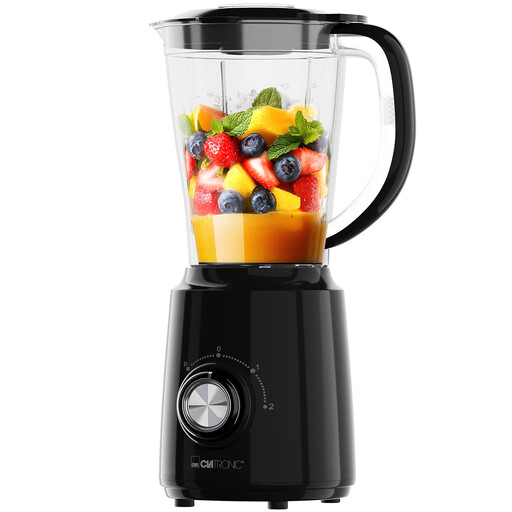
Why this product suits this profile: According to the product description, this model offers 500 watts, a 1.5-litre jug, three speed settings plus a turbo or pulse function, and an ice-crush function for everyday household tasks.
The removable, rust-resistant stainless steel blades and BPA-free blending jug, according to the product details, make it easier to compare the materials and cleaning requirements.
1.5-litre jug, refill opening in the lid, four-blade stainless steel assembly and automatic safety cut-off.
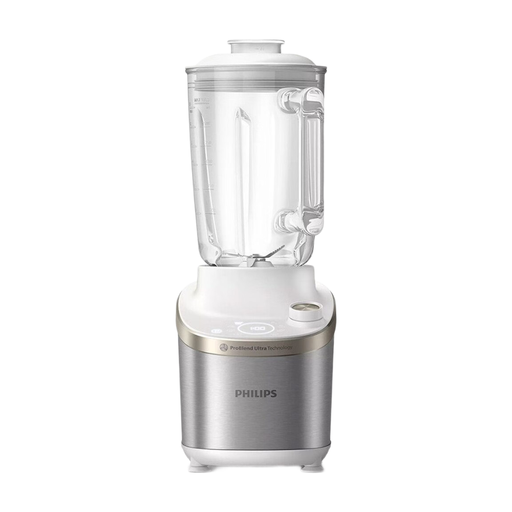
Why this product suits this profile: According to the product description, this blender has stainless steel blades and BPA-free components, with functions for blending, chopping and crushing ice.
The product description clearly specifies the materials, BPA-free components and intended uses.
Stainless steel blades, BPA-free components and dedicated functions for blending, chopping and crushing ice.
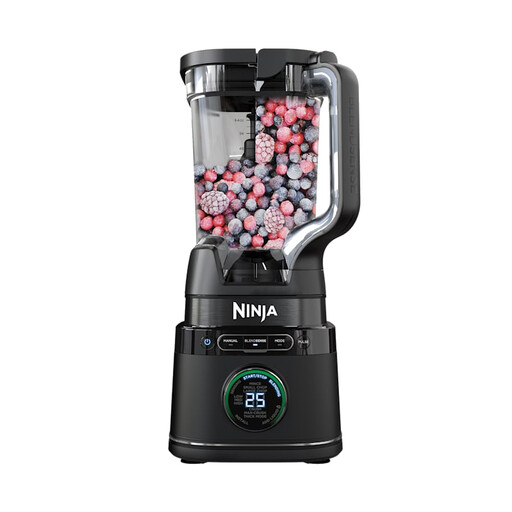
Why this product suits this profile: According to the product description, the large 2.1-litre jug is designed for families, meal-prep enthusiasts and households that want to prepare larger quantities.
The product details distinguish between the 2.1-litre jug capacity and the maximum 1.9 litres of liquid. This makes it easier to plan realistically.
1,000-watt motor, six stainless steel blades, three speed settings plus pulse, and removable dishwasher-safe parts.
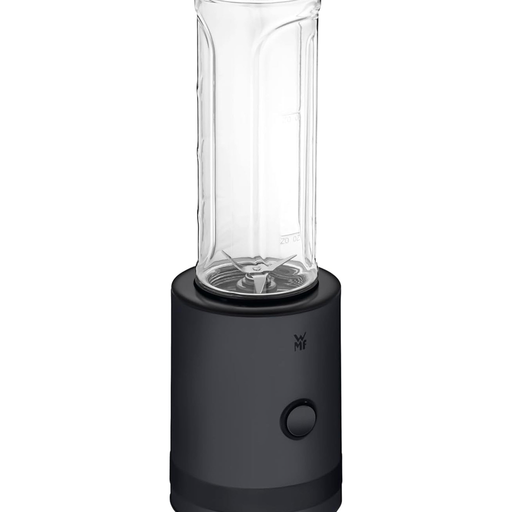
Why this product suits this profile: According to the product description, this mini blender comes with two 0.6-litre drinking bottles with screw-top lids. Its compact design takes up little worktop space.
Its capacity is clearly suited to single servings, so there’s no need to use a large kitchen blender for small quantities.
300 watts, four-blade stainless steel assembly, two drinking bottles and dishwasher-safe bottles, according to the product description.
We’ve put together a complete, regularly updated list of products that meet these strict selection criteria and fully comply with the safety regulations in force in the EU.
Depending on the model, 300 to 600 watts is often enough for soft fruit, milkshakes and simple sauces. For frequent blending of ice, frozen fruit or harder ingredients, 900 watts or more may be a better choice. The blades, jug shape, operating time and uses recommended by the manufacturer are still key factors.
Not every blender is suitable for this. Sealed drinking bottles and many personal blenders must not be used with hot liquids, as pressure can build up inside. Check the instruction manual, allow food to cool first if necessary, and never exceed the maximum fill line.
A blender’s lifespan depends on how often you use it, the ingredients you blend, how you clean it and whether you allow it to rest between operating cycles. Overfilling, running it continuously without liquid and ignoring cooling times can put extra strain on the motor and seals. Cleaning it correctly, assembling it securely and staying within the stated capacities can help keep your blender working reliably day to day.