Making several portions
If you want to blend soup for several housemates or for later meals, the jug’s usable capacity should suit the amount you plan to make. The SWR explains the different uses of jug and hand blenders.


For several portions, a jug blender with a capacity suited to the amount you’re making is an obvious choice; for smaller quantities and limited storage space, a hand blender is often more practical. The SWR describes hand blenders as easy to handle and particularly suitable for small amounts blended directly in a pan. Also check the usable capacity and how the food-contact surfaces can be cleaned: a high wattage alone is no guarantee of a finer result or quieter operation.
If you want to blend soup for several housemates or for later meals, the jug’s usable capacity should suit the amount you plan to make. The SWR explains the different uses of jug and hand blenders.
In a shared kitchen, you may want a blender that can be put away after use. The SWR describes hand blenders as compact and easy to handle; if you’re buying a set, remember to allow space for the attachments too.
For soup served cold, you’ll want to clean the food-contact surfaces and any shared utensils thoroughly. The German Federal Institute for Risk Assessment recommends using separate kitchen utensils for foods that will be eaten without further heating.
A good fit if: You regularly make several portions and have a dedicated space for it. Braun lists a working capacity of 1.5 l for the PowerBlend 3 JB 3150.
Things to consider: The jug, lid and blade take up space and need cleaning after blending.
A good fit if: You occasionally want to purée smaller amounts in a suitable container and put the blender away afterwards. The SWR describes blending small quantities directly in a pan as practical.
Things to consider: You’ll need to guide the blender yourself and use a suitable container; the blending foot and any other parts in the set also need cleaning and storage.
A good fit if: You mainly make one small portion at a time; the WMF Kult X Mix & Go has a 0.6-l container, according to the manufacturer.
Things to consider: The container size limits how much you can make; the blade area, lid and seal also need careful cleaning.
| What matters when buying | What to check | Who it matters most to |
|---|---|---|
| Cleaning and hygiene | Check the cleaning instructions for the jug or blending foot, lid, seal and blade area. The German Federal Institute for Risk Assessment recommends separate utensils for foods that will be eaten without further heating. | When I prepare raw ingredients in a shared kitchen, I want to be able to clean all the contact surfaces thoroughly. Around 33% of consumers put cleaning and hygiene first. |
| Portion size and consistency | Compare the working capacity and minimum fill level in the instructions with the portion you plan to make. The container size and wattage alone don’t guarantee how finely raw tomatoes will be puréed. | If I want to make several portions in one go, the container size needs to suit the quantity. Around 27% of consumers prioritise portion size and their preferred consistency. |
| Worktop and storage space | Allow for the footprint and height of the appliance, as well as space for the container, cable and accessories. | If I share the worktop with others, I want to be able to put the appliance and accessories away after use. Around 20% of consumers prioritise having limited storage space. |
| Noise and consideration for others | Only compare noise figures when the measurement method and operating conditions are the same; don’t assume an appliance will be quiet if comparable figures aren’t available. | If other people are using the kitchen at the same time, I want to plan blending around their need for quiet. Around 20% of consumers pay particular attention to noise. |
A high wattage alone doesn’t tell you how finely raw tomatoes will be puréed or how loud the appliance will be in your kitchen. IMTEST highlights the importance of test conditions in its noise test; figures based on different measurements and operating conditions can’t be compared directly.
Start by choosing the right type of blender and capacity for the amount you want to make. Only compare noise figures when the measurement and operating conditions match.
The container’s stated capacity and its usable fill volume aren’t necessarily the same; minimum and maximum fill levels may apply, depending on the model.
Compare the stated working capacity and fill markings with the portion you plan to make.
Removable parts can make cleaning easier, but they don’t replace thorough cleaning. Cross-contamination may also be a concern when utensils are shared.
Clean the food-contact surfaces you’ve used according to the instructions, and use clean utensils for soup served cold.
The models mentioned offer different ways to blend: a jug model for larger batches and a hand blender set for flexible puréeing.
The Kult X models mentioned include a compact blending container and a larger jug with additional accessories.
The VitaPower Serie 4 MMB6172B is an example of a jug blender with a 1.5-l glass jug.
This selection includes hand blenders for smaller quantities and a jug blender for larger batches. The right choice depends on portion size, available storage space and how much cleaning is involved.
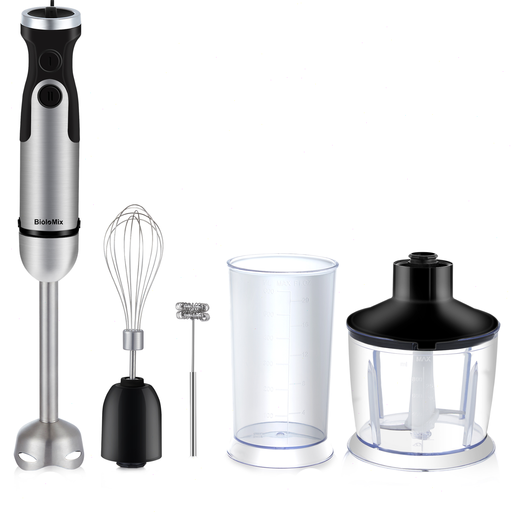 No image available
The product description lists soups and purées among its uses; the removable blending foot makes it easier to reach when cleaning.
1,200 W; four stainless steel blades; six speeds and a turbo function.
 No image available
This jug blender is suitable for vegetables and larger batches, provided its stated capacity is right for your portion.
600 W; three speeds; 1.5-l container. The product description says it has a dismantlable design and reminds you to secure the lid properly before blending.
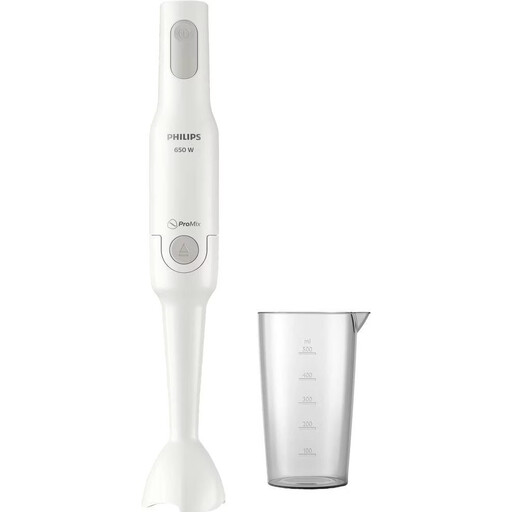 No image available
The product description lists soups among its uses; removable parts and a blending beaker are included.
650 W; ProMix technology; one-button release. The product information says to use it for no more than one minute at a time and let it cool between uses.
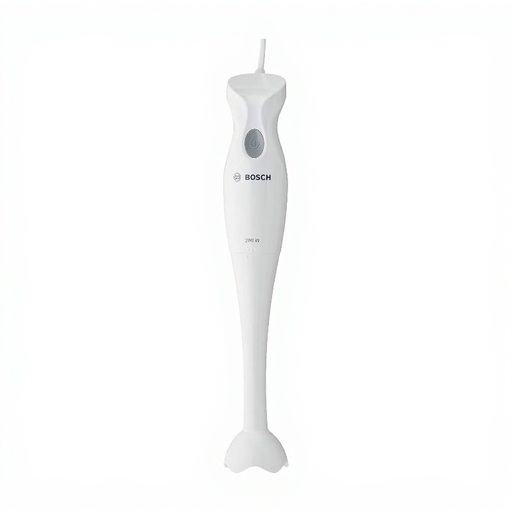 No image available
For smaller quantities, the removable blending foot can be cleaned separately after use; the product information recommends using a tall, narrow container.
280 W; 0.6 kg; removable, dishwasher-safe blending foot. The product information says the motor unit must not be immersed in water or put in the dishwasher.
 No image available
The product description lists soups and purées among its uses; the beaker gives you a separate container for blending.
600 W; two speeds; 800-ml beaker and 500-ml chopper. According to the product title, the set includes a whisk and a chopper.
A jug blender with a suitable container can be handy for several portions; a hand blender is often a better option for smaller quantities and limited storage space. The SWR describes hand blenders as easy to handle and practical for blending small amounts directly in a pan. With either type, check that the capacity suits your needs and that the parts you use can be cleaned properly.
The container should be the right size for the amount you want to make in each batch. Check the stated working capacity and any minimum or maximum fill levels in the instructions, rather than relying on the stated capacity alone.
Yes. The German Federal Institute for Risk Assessment recommends washing raw vegetables carefully during preparation or before eating, preferably under running water. Use clean utensils for food that will be eaten without further heating, and avoid cross-contamination.
No. Dishwasher-safe guidance applies only to the parts specifically listed. Check the instructions for the jug, lid, seals and blending foot individually; this doesn’t mean the motor unit is dishwasher-safe.
Keep perishable soup sufficiently chilled until you’re ready to eat it. The German Federal Institute for Risk Assessment says refrigeration slows the growth of most bacteria; it doesn’t replace careful preparation or clean utensils.