Blenders for family-sized servings
If you want to make several cold drinks in one go, check the container’s usable capacity and how easy the jug is to pour from. For example, Tefal lists a usable capacity of 1.75 l for the BL91HD.


For making several iced lattes at once, a countertop blender with an explicit ice-crushing function is usually the better choice, provided its usable capacity is large enough for the amount you plan to make. A personal blender takes up less space, but you may need to blend several batches for a family breakfast. An immersion blender is only suitable for ice if you have a compatible, purpose-designed chopper attachment. Also check the fill line, cleaning instructions and temperature limits for the specific model.
If you want to make several cold drinks in one go, check the container’s usable capacity and how easy the jug is to pour from. For example, Tefal lists a usable capacity of 1.75 l for the BL91HD.
If you want to crush ice for your drink, check that the specific blender or attachment is approved for the job. Braun, for example, specifies ice crushing for a 1.25-l chopper with a special ice-crushing blade.
If you usually make just one drink, a small personal blender can save space. Bear in mind the fill limit and how many batches you may need to blend for the amount you plan to make.
A good fit if: you want to blend several chilled drinks in one go.
The trade-off: A larger jug needs more worktop and washing-up space. Its total capacity may differ from its usable capacity.
A good fit if: you mostly make individual drinks and want to drink straight from the blending cup.
The trade-off: You may need to blend several batches for multiple family-sized servings. Check the cup’s max fill line and temperature guidance.
A good fit if: you already own a compatible immersion blender and the matching chopper is explicitly designed for ice.
The trade-off: Approval for ice does not automatically apply to the blending foot or any accessory. Check compatibility and working capacity.
| What matters | What to check before buying | Who it matters most to |
|---|---|---|
| Usable capacity | The usable capacity and max fill line for the specific model, not just its stated total capacity. | If I want to blend several drinks at once, the amount I can actually make per batch matters. Around 29% of consumers put family-sized servings first. |
| Ice processing | Approval for the specific model or accessory, as well as the instructions in the manual. | If I want to crush ice in the blender, I look for a feature or attachment specifically designed for the job. Around 29% of consumers prioritise ice processing. |
| Cleaning | Check which parts can be removed and which are explicitly dishwasher-safe. | For regular use, I want to remove milk and coffee residue without unnecessary hand-washing. Around 24% of consumers prioritise cleaning up after breakfast. |
| Space and single servings | Cup size, max fill line and the number of batches you’ll need to blend. | If you usually make just one drink at a time, a compact cup may be more practical than a large jug. Around 18% of consumers prefer a compact single-serving option. |
For the Philips HR2041/00, one Joybuy Germany product listing distinguishes between a maximum capacity of 1.9 l and an effective capacity of 1.0 l. Another lists 1.9 l without making this distinction in the product title. These figures therefore do not describe the same usable capacity.
Check the effective capacity and max fill line for the exact model against the amount you want to make. Don’t assume that capacity figures from one listing apply to another.
If the usable capacity isn’t enough for the amount you want to make for the family, you may need to blend additional batches.
Braun specifically states that ice crushing is suitable for a chopper with a special ice-crushing blade; it does not give blanket approval for every immersion blender or blending foot.
Check the exact name of the attachment, its compatibility with your immersion blender and the instruction manual. You may need an additional, compatible ice-crushing accessory.
nutribullet’s instructions rule out hot liquids in the cups described, as pressure may build up.
Follow the instructions for your specific blender. Let the coffee cool before blending if the cup you’re using isn’t designed for hot liquids.
The InfinyMix BL91HD is a countertop blender option for making several chilled servings. Tefal lists a usable capacity of 1.75 l and an ice-crush programme.
According to Bosch, the VitaPower Serie 4 MMB6177S combines a 1.5-l glass jug with a separate 0.6-l to-go cup.
Braun offers a 1.25-l chopper with a special ice-crushing blade for compatible immersion blenders. Its range also includes PowerBlend countertop blenders.
The Pro 900 is a compact personal blender option. For the NB904MACL variant, nutribullet lists a 700-ml to-go cup.
WMF lists a 1.8-l glass jug, a crushed-ice programme and a removable blade for the Kult Pro.
The products below are countertop and personal blenders for making individual drinks or larger quantities with ice.
 No image available
The blending jug is a good option if you want to make a larger quantity at once; the product title lists ice as a suitable use.
The title also lists 800 W, a 600-ml drinking bottle, a 300-ml chopper and dishwasher-safe parts. Check the manual to see which ice-processing and cleaning instructions apply to each part.
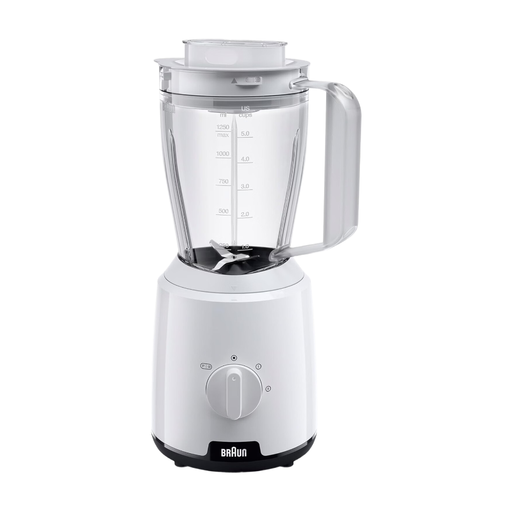 No image available
The stated ice-crush function and 1.5-l blending jug make this suitable for preparing a larger chilled batch. Check the usable capacity against the amount you plan to make.
The product title lists 600 W and two speed settings. The product description lists removable, dishwasher-safe parts; check the manual to see which parts this applies to.
 No image available
The 1.5-l container and ice-crushing function listed in the title are useful for preparing a larger chilled batch. Check the approved fill level for your recipe.
The title lists 600 W and three speed settings. The product description says the blender can be dismantled for cleaning; check the manual to see which parts can be removed.
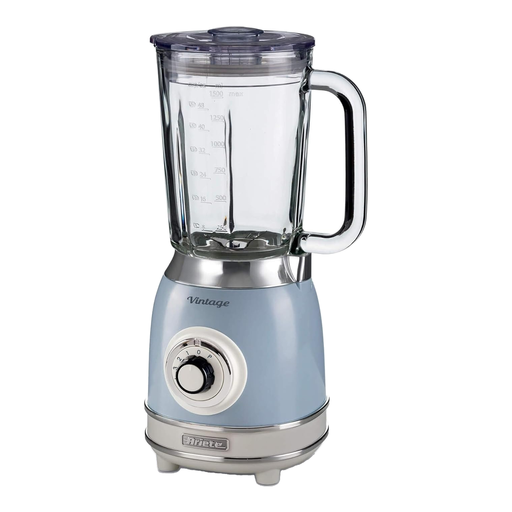 No image available
The product title and description list an ice-crusher function and a 1.5-l container. Compare the usable capacity with the family-sized amount you plan to make.
The title lists 1,000 W, four speeds, a pulse function and four blades. According to the product description, some parts are dishwasher-safe; check which parts this applies to.
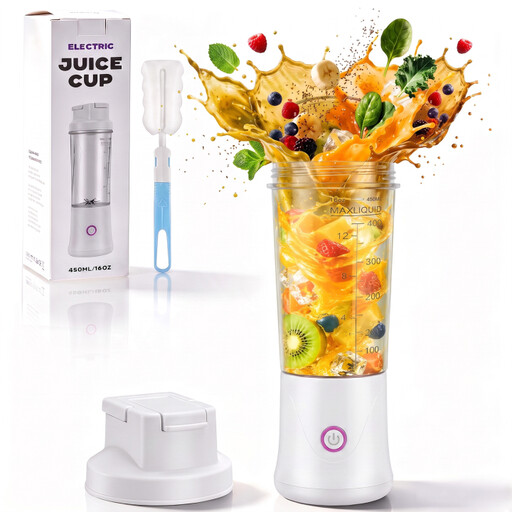 No image available
The cup is designed for individual drinks and may suit you if you want a compact option. For a family breakfast, its capacity may mean you need to blend several batches.
The product title lists six blades. The product description lists a travel lid and removable, dishwasher-safe parts; follow the instructions for processing ice and cleaning.
No. Check that the specific appliance is approved for ice and read its instruction manual. In CHIP’s practical test, results varied when blending ice; high power alone did not guarantee a good result.
Not in every cup. nutribullet explicitly rules out hot liquids in the cups described, as pressure may build up. Let the coffee cool before using this method, and follow the instructions for your model.
Clean the parts that come into contact with food after use, following the model’s instructions. Only put parts that are explicitly approved in the dishwasher. For the BL91HD, for example, Tefal lists the jug without the blade and the lid as dishwasher-safe.
According to Your Europe, if you buy from a business seller in the EU, you have a statutory guarantee of at least two years from the date you receive the goods. The seller is generally your point of contact. This is separate from any additional manufacturer’s guarantee offered.
CE marking is required for electrical appliances covered by the relevant regulations. It is based on the manufacturer’s declaration of conformity and is not an independent quality mark. The Bundesnetzagentur also lists product identification and manufacturer details as points to check; this alone does not prove that a specific listing is compliant.
No, not for young children: the Gesund ins Leben network advises against giving them caffeinated drinks such as coffee. If young children are having breakfast with you, plan their drinks separately from the coffee latte.