Families sharing a batch
If you want to make plum purée for several people in one go, check the jug’s usable capacity rather than relying on the appliance’s description alone.


SWR says a stick blender is handy for smaller quantities that you can purée directly in a suitable container. For several family-sized portions, check a jug blender’s usable capacity and the instructions. A small personal blender cup is better suited to separate individual portions and may require several batches to make one portion for the whole family. Remove the stones from the plums before blending, and follow the quantity and temperature limits for your specific appliance.
If you want to make plum purée for several people in one go, check the jug’s usable capacity rather than relying on the appliance’s description alone.
If you’re making a smaller portion or want to purée cooked fruit directly in a suitable container, you don’t necessarily need a large blender jug.
If you clean and put your blender away frequently, weigh up a removable blending foot against a compact personal blender cup and the possibility of needing extra batches.
These figures relate to consumers choosing a blender for plum purée for a family breakfast; each row represents a main consideration.
| Consideration | What to check when buying | Who is this important to? |
|---|---|---|
| Portions per batch | Compare your recipe quantity with the fill-level markings and instructions; don’t assume the stated capacity equals the amount of finished purée. | If I want to prepare several portions together, the amount per batch matters to me. Around 36% of consumers say this is their main consideration. |
| A suitable container for purée | Check the container and the quantity you plan to make; remove the stones from the plums and follow the instructions on ingredient quantities and temperature. | If I want to purée a smaller quantity of plums, I need a suitable container and instructions that fit what I plan to do. Around 29% of consumers put this consideration first. |
| Cleaning up after breakfast | Check the instructions for each part individually to see how it can be cleaned; don’t assume general information about accessories also applies to the motor unit. | If you use your blender for breakfast often, you’ll want to be able to fit cleaning its parts into your routine. Around 21% of consumers say this is their top consideration. |
| Space and individual portions | Check the dimensions and cup capacity of the specific model, and consider whether you’ll make portions together or separately. | If I have limited worktop space or make small portions separately, a compact appliance is important to me. Around 14% of consumers say this is their main consideration. |
Philips Germany lists a 2-litre glass jug for the HR3030/00; WMF gives the Kult X Mix & Go a container capacity of 0.6 litres. These figures describe the container, not the amount of finished purée.
Compare the quantity in your recipe with the fill-level markings and the limits in the instructions for the model you’re considering.
A wattage rating doesn’t prove a particular blending result. Braun Household Germany lists conflicting figures of 750 and 1,000 watts for the MultiQuick 5 Vario MQ 5230 WH.
Start by choosing based on portion size, container, operation and cleaning instructions. Don’t assume a higher wattage means a smoother result unless there are comparable test results to support it.
Cleaning instructions apply only to the specific parts and models named. The ESGE-Zauberstab instructions explicitly say that the appliance and protective cover must not be cleaned in a dishwasher.
Before buying and cleaning, check the instructions for the blending foot, protective cover, container and motor unit separately.
The MSM6B150 stick blender is an option for smaller quantities in the supplied blending/measuring beaker; the VitaPower range also includes jug blenders.
The HR3030/00 jug blender is worth considering if you’re looking to prepare larger portions for the family.
The MultiQuick 5 Vario MQ 5230 WH is a stick blender supplied with a measuring beaker and chopper; for plum purée, the blending foot is the main feature to consider.
The Kult X Mix & Go could work for separate small portions, but is less suited to one large batch for everyone.
The M250 is a stick blender option for working directly in a suitable container.
The Joybuy products below include jug blenders and stick blenders for preparing purée in a suitable container.
 No image available
For making a batch together in the jug; the product description lists a capacity of 1,500 ml.
Other details: 800 W, 600 ml travel bottle and 300 ml chopper.
 No image available
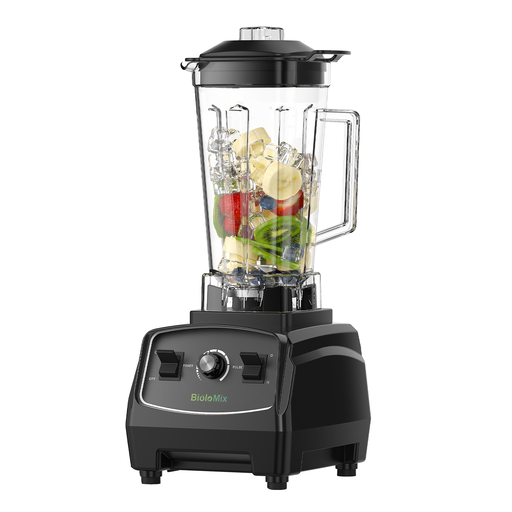
The 2-litre container is worth considering for making a batch together; its capacity doesn’t tell you how much finished purée will fit inside.
The product description lists 2,200 W and six stainless steel blades.
 No image available
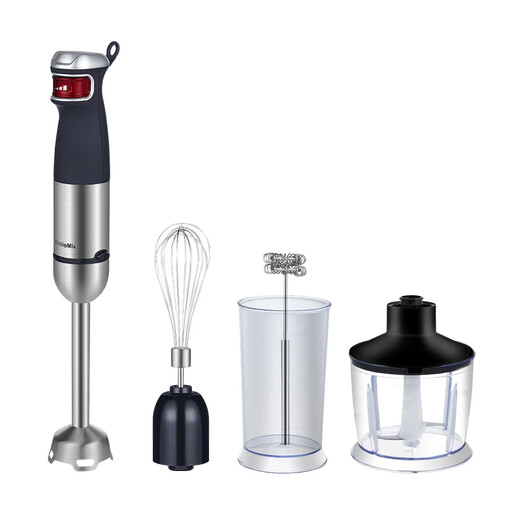
As a stick blender, this model is designed for preparing purée in a suitable container.
The product description lists 1,200 W, continuously variable speed control and a stainless steel blade.
 No image available
Worth considering for making a batch in the container; the product description mentions blending fruit and vegetables, baby food and juice.
Other details: three speed settings and a 1.5-litre container. Make sure your recipe quantity is within the fill limit.
 No image available
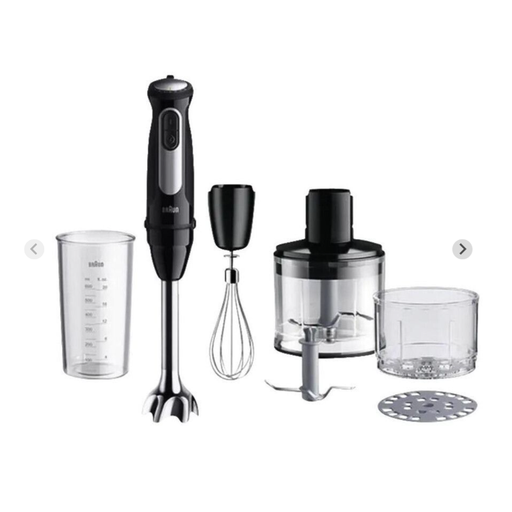
This stick blender is an option for making plum purée in a suitable container. For liquid or semi-liquid ingredients, the product description says to keep the blending foot fully submerged to prevent splashing.
Yes, remove the stones from plums before blending. The BZfE describes the stone as part of the fruit; Philips advises removing stones in guidance for specific juicer models, but this isn’t an endorsement for use in blenders. Follow your blender’s own instructions and the limits stated there.
No. A statement that certain parts are dishwasher-safe doesn’t automatically mean the whole blender can go in the dishwasher. Check the instructions for the blending foot, protective cover and motor unit separately; the ESGE instructions explicitly say not to put the appliance or protective cover in the dishwasher.
In Germany, consumers generally have statutory rights against the seller if goods are faulty. For movable goods, the limitation period is usually two years from delivery, subject to statutory exceptions. For distance contracts, consumers can generally withdraw within 14 days; exceptions and the specific start date of the period should be checked. The German Federal Ministry of Justice and the Federal Office of Justice set out the statutory rules. A voluntary manufacturer’s guarantee is separate from these rights.
Parts that come into contact with food must be intended for that purpose. The German Federal Office of Consumer Protection and Food Safety explains that the glass-and-fork symbol isn’t mandatory on items that are obviously intended to come into contact with food. Relevant CE rules may apply to electrical and electronic equipment; according to EU information, the CE mark is the manufacturer’s declaration and isn’t a blanket guarantee of the quality of the plum purée.
That depends on the specific appliance and the temperature and fill limits in its instructions. Philips Germany says the HR3030/00 can blend hot ingredients; this doesn’t automatically apply to other models or to containers that are very hot or filled to the brim.