
Lieferung heute & morgen

Qualitätsgarantie

Willkommens-Angebote freischalten: KOSTENLOSE Lieferung | Bis zu 80 % RABATT | Kostenlose 30-Tage-JoyPlus-Testphase
App herunterladen
A blender or juicer should be reliable in everyday use, easy to clean and suited to your kitchen routine. But there are significant differences between smoothie blenders, jug blenders, personal blenders, slow juicers and electric citrus presses. If you focus only on wattage or bold marketing claims, you could end up with a machine that sounds powerful but doesn’t suit your needs when it comes to capacity, cleaning or ingredients.
A high power rating doesn’t automatically mean a drink will be blended smoothly or that a juicer will handle fibrous vegetables well. Blade design, speed, operating time, jug shape and safety cut-off all matter too.
A personal blender with 650 or 900 watts may be suitable for individual smoothies. For larger quantities, a jug blender with an appropriately sized container is more practical. With a slow juicer or cold-press juicer, the focus is on the pressing method rather than chopping.
Not every appliance can process hard seeds, fibrous vegetables, frozen ingredients or hot liquids. A blender with an ice-crush function is designed for ice and frozen fruit, but you still need to use the amount of liquid and operating time specified in the instructions.
An electric citrus press is designed for oranges, lemons and similar fruit. It’s not a substitute for a fruit and vegetable juicer. Bananas, avocados and very fibrous ingredients aren’t automatically suitable for every centrifugal juicer either.
Many appliances get used less often after just a few uses if their filters, blade assemblies or seals are difficult to clean. Look for removable components, dishwasher-safe parts and an accessible feed chute. The motor housing of the products mentioned here must not be immersed in water.
For individual smoothies and shakes, a compact smoothie maker with a drinking cup is often enough. According to the product details, models such as the nutribullet Pro NB907CP have a 900-watt motor, one-touch controls and two cups with capacities of 925 and 700 millilitres. The instructions recommend short blending intervals of less than 60 seconds.
For family-sized portions, a larger jug makes sense. According to the product details, the Ninja Professional Blender has 1,000 watts, a 2.1-litre jug with a maximum liquid capacity of 1.9 litres, three speed settings and a pulse function. A larger capacity means fewer refills, but it takes up more storage space.
A 400–700 millilitre cup may be enough for one person. If you’re often on the go, a portable blender with a drinking or sports cup could be a good choice. According to the product details, the nutribullet Flip NBP016B has a 590-millilitre stainless steel cup, USB-C charging and weighs 915 grams. That makes it a handy option for the office, commuting or travelling, as long as the ingredients and operating limits are suitable for the model.
For several people, check the maximum liquid capacity as well as the stated overall capacity. A measuring scale on the jug makes portioning easier and helps prevent overfilling.
A centrifugal juicer generally works quickly and is suitable for many firm fruits and vegetables. A slow juicer or cold-press juicer uses a slowly rotating auger. This can produce a different juice texture when processing fibrous ingredients, but it often takes longer and requires more thorough cleaning.
Before you buy, check:
For citrus drinks alone, an electric citrus press is usually simpler in design. According to the product details, the Ariete 0413GR has 85 watts, two reamers, a 0.6-litre container and a drip-free spout. It’s a straightforward option for oranges, lemons and similar fruit.
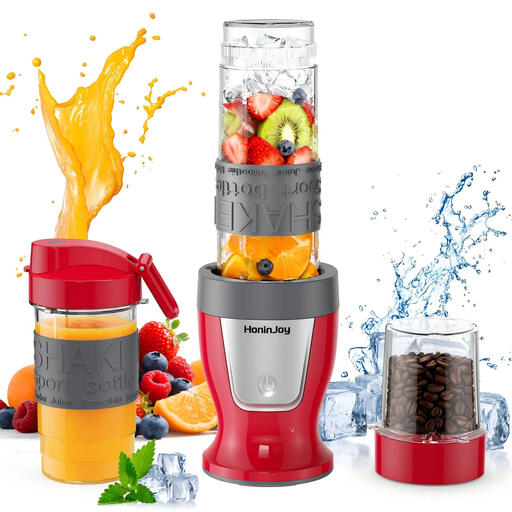
Why it suits this type of user: Two BPA-free sports cups, with capacities of 20 and 14 oz, are ideal for individual smoothies, shakes and drinks to take away. Its compact design takes up little worktop space.
The pulse function and overheat protection offer more useful information than wattage alone. It’s designed for typical household quantities.
650-watt motor, two portable cups and an additional grinding cup; according to the product details, several removable parts are dishwasher-safe.
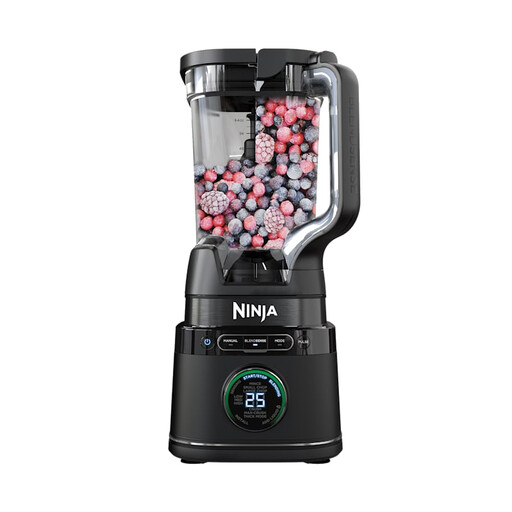
Why it suits this type of user: The large jug and multiple speed settings are well suited to family-sized portions, frozen drinks and a range of textures.
The maximum liquid capacity is listed separately, so you can get a better idea of the usable amount than you would from the jug capacity alone.
1,000 watts, six stainless steel blades, three speeds plus pulse, and removable dishwasher-safe parts according to the product details.
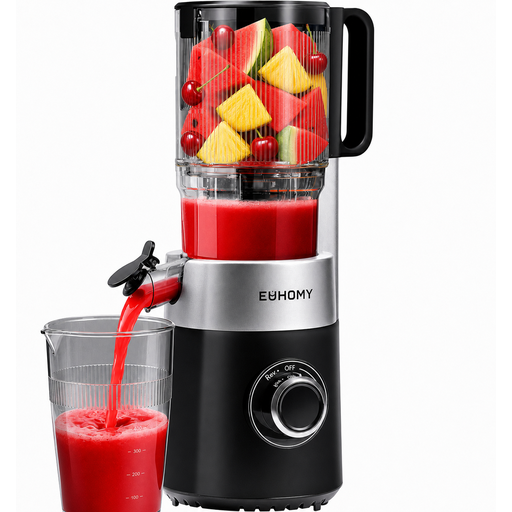
Why it suits this type of user: Its 1.8-litre capacity and wide feed chute are designed for regular fruit and vegetable juicing and larger household quantities.
The pressing method, feed chute and three-stage filter system are clearly specified. You can compare these features with the type of juice you want to make.
Slow pressing, 1.8-litre capacity, 135-millimetre feed chute and components that can be dismantled for cleaning, according to the product details.
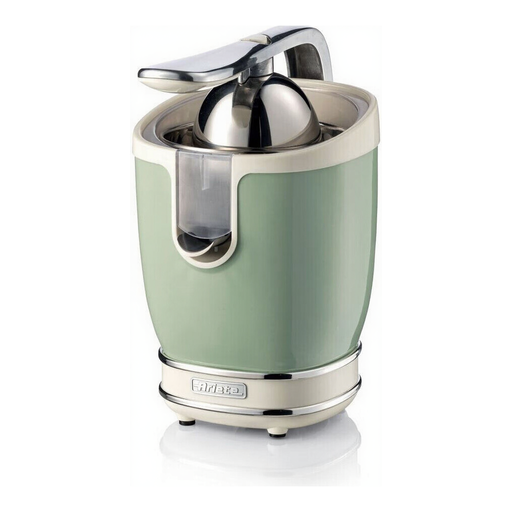
Why it suits this type of user: If you mostly make orange or lemon juice, this is a dedicated option with lever operation and a compact container.
It’s designed specifically for citrus fruit, so there’s no false expectation that it can also process vegetables or hard ingredients.
85-watt motor, two reamers, 0.6-litre capacity and a drip-free spout, according to the product details.
We’ve put together a complete, regularly updated list of products that meet these strict selection criteria and fully comply with the safety regulations in force in the EU.
A personal blender is best suited to individual portions and drinks to take away. A jug blender is a better choice if you’re making drinks for several people or regularly preparing larger quantities. The key considerations are cup size, maximum fill level and how much worktop space you have.
There’s no reliable one-size-fits-all answer. Lifespan depends on how often you use the appliance, the ingredients you process, how you clean it and whether you follow the recommended operating times. Overfilling, hot liquids and hard ingredients that aren’t approved for use can all increase the strain on the appliance.
Energy use depends on the appliance’s power and how long it runs. A higher-wattage appliance may still use less energy if it runs for a shorter time than a less powerful model. For everyday use, consider motor power, the quantity you’re preparing and the actual operating time together.