
Lieferung heute & morgen

Qualitätsgarantie

Willkommens-Angebote freischalten: KOSTENLOSE Lieferung | Bis zu 80 % RABATT | Kostenlose 30-Tage-JoyPlus-Testphase
App herunterladen
A blender can make smoothies, protein shakes, sauces, cocktails and puréed soups. But not every model is right for every household. Buyers often focus solely on wattage or are swayed by a long list of accessories, overlooking important factors such as jug capacity, cleaning requirements and the maximum temperature the appliance can handle.
This buying guide from the Joybuy Product Recommendation Officer explains what really matters when choosing a blender, smoothie maker or personal blender.
A high power rating sounds impressive, but it is not enough on its own to compare models. Depending on the manufacturer, it may refer to the rated power or a short-term peak output. You should also consider:
A 500-watt blender may be enough for soft fruit and vegetables, while frozen ingredients or ice place greater demands on the appliance. Check the product details and instruction manual before buying.
A 1.5-litre blender does not necessarily hold 1.5 litres of liquid for blending. The maximum fill line may be lower, and ingredients need room to move around as they blend. Larger jugs are handy for families and making several portions. If you usually make just one shake, a compact personal blender can save space.
Blade assemblies, seals and lids can make cleaning more time-consuming. Check for:
The motor unit must never be immersed in water. Even dishwasher-safe parts should be cleaned soon after use to stop residue drying on the seals or blades.
A compact blender is often all you need for smoothies made with soft fruit. For frozen fruit, nuts or ice, a sturdy blade assembly and an ice-crush function are more important. A pulse function gives you short, controlled bursts and can help stop ingredients sticking to the sides.
A high-performance blender is not essential for every task. For soups, sauces and baby food, a hand blender may be more suitable, as you can blend directly in a saucepan or narrow container. Always follow the manufacturer’s instructions when working with hot liquids. Some appliances, including the Ninja Professional Blender, explicitly state that they must not be used to blend hot liquids.
For a household with several people, a jug capacity of 1.2 to 2.1 litres is worth considering. A smaller cup holding around 0.6 to 0.9 litres is better suited to single portions and taking drinks with you.
Check the dimensions before you buy, too. A tall jug may not fit under wall cupboards or in a low kitchen cupboard. Non-slip feet and a safety switch are also important for stable operation.
A BPA-free blender has no bisphenol A in the relevant parts. Check that this claim applies specifically to the jug, lid or drinking cup, rather than just being made about the appliance in general. Glass jugs are heat-resistant but heavier, and can be damaged by knocks. Tritan or polycarbonate jugs are usually lighter; always follow the manufacturer’s care instructions.
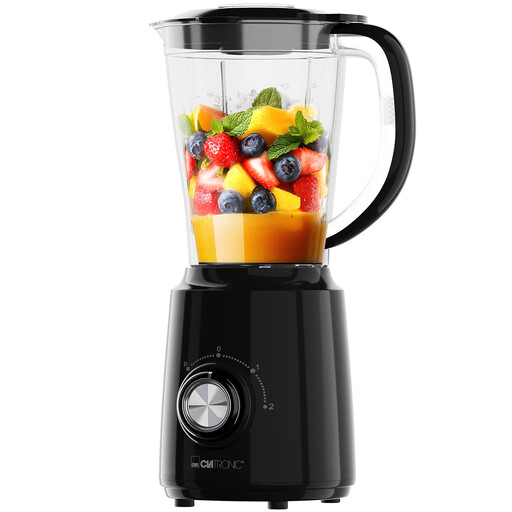
Why it suits this profile: This blender is designed for households looking to make smoothies, shakes, sauces and simple soups without a complicated range of functions.
The product details clearly specify 500 watts, four speed settings, a pulse/turbo function and a removable blade assembly. This makes it easier to compare with appliances that make vague claims about power.
1.5-litre BPA-free jug, stainless steel blades and an ice-crush function.
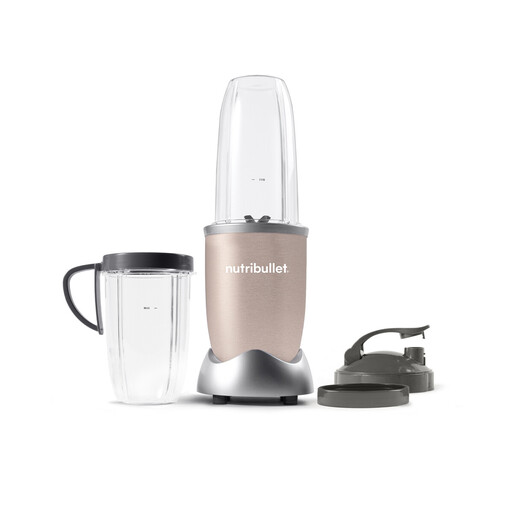
Why it suits this profile: Its compact design and two drinking cups make it a good choice for single portions, protein shakes and everyday smoothies.
It is designed to run in short cycles of up to 60 seconds. This makes it clear that the appliance is not intended for extended continuous use.
900-watt rating, 925 ml and 700 ml BPA-free cups, plus dishwasher-safe cups, lids and blade assembly.
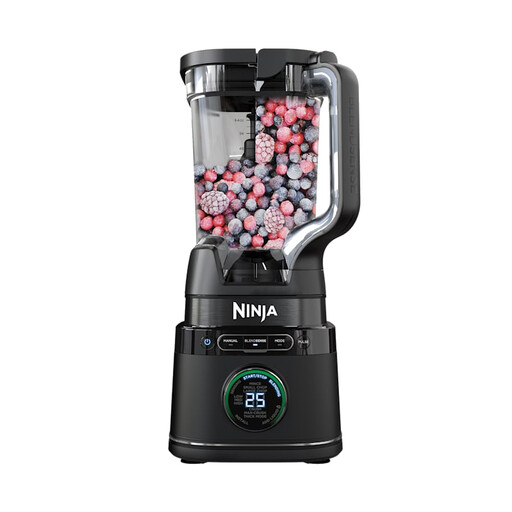
Why it suits this profile: The large jug is designed for family-sized portions, meal prep and frozen drinks.
The maximum liquid capacity is listed as 1.9 litres, which is less than the total capacity of 2.1 litres. Keep this limit in mind when filling the jug.
1000 watts, three speeds plus a pulse function, a BPA-free jug and removable dishwasher-safe parts.
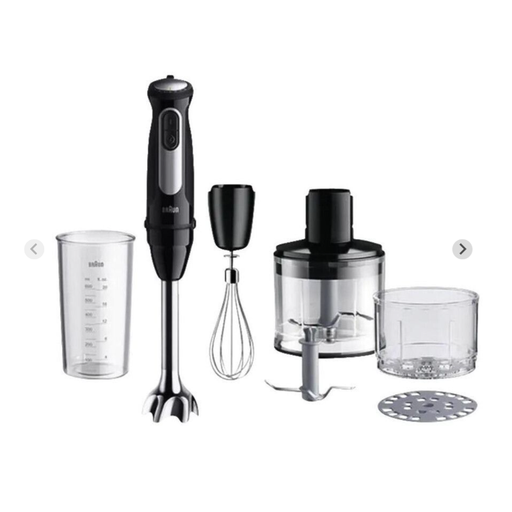
Why it suits this profile: As a hand blender, it works directly in a suitable container and can be stored away neatly after use.
You are not limited to using a large blender jug. With the right accessories, you can purée, chop, whisk or mince ingredients.
1000 watts, 25 speed settings plus turbo, and accessories for blending, chopping, whisking and ice crushing.
We’ve put together a complete, regularly updated list of products that meet these strict selection criteria and fully comply with the safety regulations in force in the EU.
For soft fruit, vegetables and simple shakes, 300 to 500 watts may be enough. For ice, frozen ingredients or hard foods, consider the power, blade shape and pulse function together. Wattage alone is not a reliable guide to how quickly or smoothly a blender will produce results.
A blender for soups and sauces can be either a jug blender or a hand blender. A hand blender is handy if you want to blend directly in the pan. Before using a jug blender, check that the instructions say it is suitable for the temperature involved. Only blend hot liquids if the manufacturer allows it.
A blender’s lifespan depends on how often you use it, the ingredients you blend, how you clean it and whether you follow the recommended operating intervals. Only blend hard or frozen ingredients within the limits specified for the appliance. Overfilling, running it empty and blending for too long can put strain on the motor and blades. Regular cleaning, dry storage and using approved accessories all help keep it working as intended.