
Lieferung heute & morgen

Qualitätsgarantie

Willkommens-Angebote freischalten: KOSTENLOSE Lieferung | Bis zu 80 % RABATT | Kostenlose 30-Tage-JoyPlus-Testphase
App herunterladen
A new blue bowl can elevate even the simplest meal into a visual delight. Yet, the search for the perfect piece is often more difficult than it seems. Online images can be deceiving, and what appears aesthetically pleasing can quickly prove impractical in daily use. Many buyers get frustrated by premature wear and tear, hidden defects, or unsuitable features. Before you make a decision, it's crucial to know the typical pitfalls to find a durable and functional addition to your tableware.
This guide will help you distinguish marketing hype from genuine quality features. We'll highlight the three most common mistakes when buying bowls and show you which parameters to focus on to make an informed choice.
To avoid a poor purchase, you should focus on objective and verifiable features. The following three points are crucial for the quality and longevity of your new blue bowl.
The choice of material has the biggest impact on durability and usability.
The glaze is not only responsible for the colour and finish but also seals the ceramic body. Look for the "food-safe" label, which guarantees that no harmful substances like lead or cadmium will leach into your food. A high-quality glaze is evenly applied, resistant to scratches from cutlery, and won't chip during temperature changes. Reactive glazes, which give each bowl a unique pattern, are very popular but should also be of high quality to ensure longevity.
Before buying, consider what you will primarily use the bowl for.
Also, check if the bowls are easily stackable. A slightly conical shape and a defined foot ring are good indicators of this.
Based on the criteria above, we have selected a few products that are suitable for different needs and style preferences.
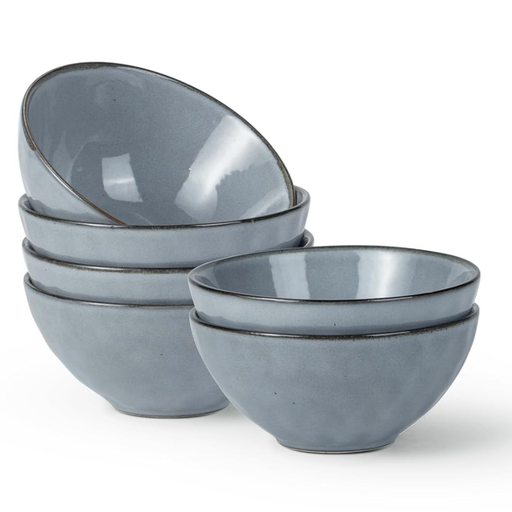
Why This Fits Their Persona: Ideal for those who don't want to sacrifice aesthetics in their daily routine. This set combines an appealing, artisanal look with the robustness needed for everyday use. Perfect for cereal, soups, or desserts.
The set is explicitly labelled as dishwasher and microwave safe and is made of durable stoneware. This bypasses the pitfall of hidden usage restrictions.
The dual reactive glaze gives each bowl a unique character. The set of six offers excellent value, whether you're starting a collection or expanding one.
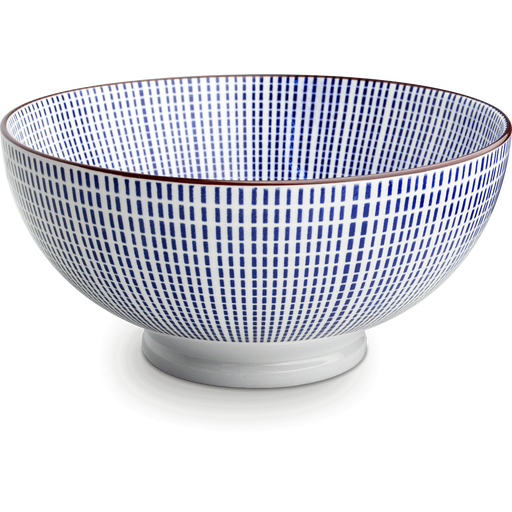
Why This Fits Their Persona: For lovers of Asian dining culture seeking an authentic statement piece. The traditional blue motif makes the bowl a work of art, perfect for serving noodle soups, rice dishes, or curries.
This bowl isn't just decorative. The description emphasizes that it's crafted for longevity and daily use, thus avoiding the trap of being a purely ornamental yet impractical object.
The intricate, traditional design is a real eye-catcher. With a 17.5 cm diameter, it has a generous size for a full meal and fits comfortably in the hand.
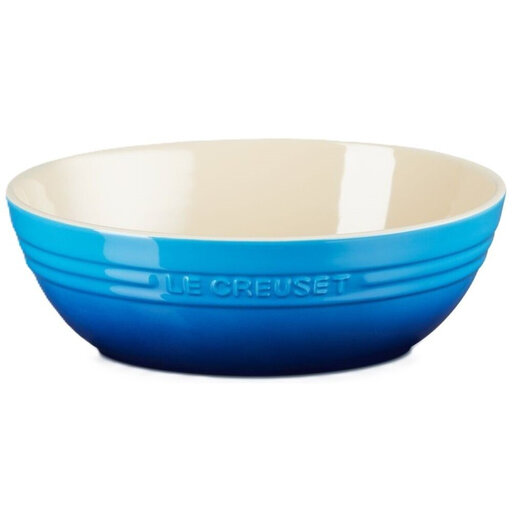
Why This Fits Their Persona: For discerning hosts who invest in longevity and brand quality. This large serving bowl is ideal for family meals or festive occasions and represents a timeless dining culture.
Crafted from high-quality, dense stoneware that, according to the manufacturer, is thermo-resistant as well as resistant to stains and scratches. This directly counters the pitfall of inferior materials.
Excellent heat retention keeps food warm for longer. The generous 3.2-litre capacity and iconic design make it a versatile and presentable piece.
We have compiled a complete, up-to-date list of products that fully meet these strict selection criteria and rigorous safety standards.
1. Are earthenware bowls suitable for everyday use? Yes, high-quality earthenware is perfectly suitable for daily use. Look for a dense, crack-free glaze and an explicit "dishwasher-safe" label. Compared to porcelain, it tends to be slightly more susceptible to chipping but often offers a warmer, more rustic look.
2. What does "reactive glaze" mean, and is it safe? A reactive glaze is a glazing technique where different minerals react with each other during the firing process, creating unique, unpredictable patterns and colour gradients. This makes every piece one-of-a-kind. With products from reputable manufacturers, you can assume that these glazes are food-safe, meaning free of lead and cadmium. A look at the product details will provide certainty.
3. How do I find the right bowl size for pasta? For pasta, a so-called pasta bowl or a large, rather shallow bowl is recommended. A diameter of 21 to 25 cm is ideal. This shape provides enough surface area to comfortably mix the pasta with the sauce without anything spilling over the edge, while also presenting the dish very attractively.