
Lieferung heute & morgen

Qualitätsgarantie

Willkommens-Angebote freischalten: KOSTENLOSE Lieferung | Bis zu 80 % RABATT | Kostenlose 30-Tage-JoyPlus-Testphase
App herunterladen
When you want to buy a smartphone, you’ll probably compare the price, brand and camera resolution first. That’s often where people end up with the wrong phone: a budget model may look powerful on paper, but it might not suit your mobile tariff, have enough storage or come with clear warranty information. It’s better to focus on how well a phone will work for you day to day than on individual marketing claims.
A high megapixel count doesn’t automatically mean better photo quality. Factors such as image stabilisation, sensor size, lenses and image processing software all play a part. If you often take photos in low light, look for a main camera with optical image stabilisation and a suitable night mode.
It’s also worth checking memory claims such as “16 GB” carefully. For example, the CUBOT A50’s figure combines 6 GB of physical RAM and 10 GB of expanded memory. Virtual RAM can help with multitasking, but it doesn’t replace physical RAM.
A mobile phone with long battery life isn’t all about its capacity in mAh. Screen brightness, the processor, 5G use, gaming and background processes can all have a significant effect on power consumption. Manufacturer claims for video playback or standby time are based on specific usage scenarios, so they’re not a guarantee of how long the battery will last each day.
It’s therefore worth considering the battery capacity alongside the charging speed and charger. For example, the Samsung Galaxy A27 5G is listed with a 5,000 mAh battery and 10 to 25 W USB Power Delivery charging. According to the product description, a charger isn’t included.
A smartphone may look appealing on paper, but an imported version might not include certain Google services or regional LTE or 5G bands. It may also be unclear who to contact if you need to make a warranty claim. If you’re buying in Germany, check the following:
The listings for the EEA versions of the Redmi Note 14 Pro Plus 5G, Xiaomi POCO F8 Ultra and Xiaomi 17T Pro state that they include a two-year warranty, full Google services and official OTA updates. Check these details directly on the product page again before buying.
A smartphone with an AMOLED display can be a great choice for streaming and photos, thanks to its high contrast and vivid colours. A 90 or 120 Hz refresh rate can make scrolling feel smoother. However, a higher refresh rate may use more power if it isn’t adjusted automatically.
Choose a screen size that suits how you’ll use the phone. A 6.7-inch device is well suited to videos and documents, but it’s less easy to handle than a more compact model. Foldable phones offer more screen space, but their hinges, weight and higher purchase prices are additional factors to consider.
128 GB may be enough for messaging, banking, navigation and the occasional photo. If you take lots of videos, install games or plan to keep your phone for several years, consider a smartphone with 256 GB or more.
A smartphone with 512 GB is a good option for large photo and video collections. 1 TB can be useful for professional video recording, but it won’t necessarily be the most cost-effective choice. Also check whether the storage can be expanded. According to the product details, the Samsung Galaxy A27 5G supports a microSD card of up to 2 TB; no storage expansion is listed for the Motorola Razr Fold.
A 5G smartphone needs a suitable tariff and adequate network coverage. In buildings or rural areas, your actual connection may still depend on local network coverage. If you use separate numbers for work and personal calls, or need a second SIM when travelling, look specifically for a Dual SIM smartphone.
Fast charging isn’t just about the wattage. The supported charging protocol, a suitable power adapter and whether one is included all matter too. The Xiaomi 17T Pro is listed with 100 W wired charging; the iPhone 17 Pro requires a compatible power adapter to achieve the stated charging speed.
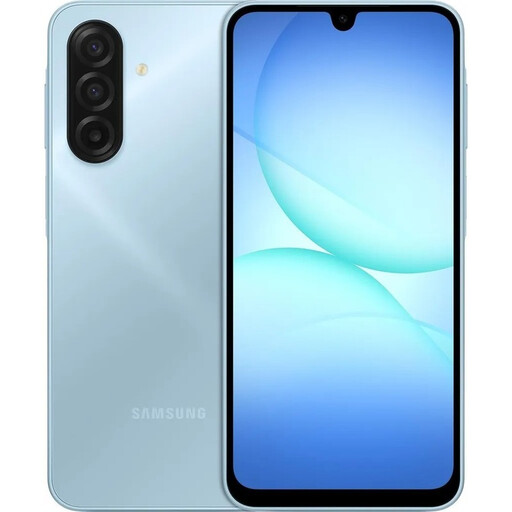
Why this product suits this profile: This phone combines 4G, Hybrid Dual SIM, 128 GB of storage and a 6.7-inch Super AMOLED display. It’s a good choice for calls, streaming and everyday apps if you don’t need 5G.
The specifications clearly state 4 GB RAM, 128 GB of storage and 5,000 mAh. This makes it easier to compare the actual features with what you need.
90 Hz Super AMOLED display, optical image stabilisation and expandable storage via microSD.
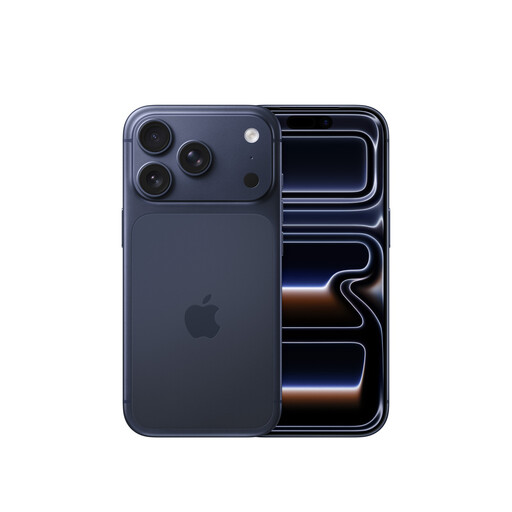
Why this product suits this profile: The iPhone 17 Pro combines 512 GB of storage, a 6.3-inch OLED display with a refresh rate of up to 120 Hz, 5G and a camera system with optical zoom. It’s built for demanding photo, video and work tasks.
The features are described in more detail than just the camera resolution, with optical zoom, ProMotion, USB-C and IP68 protection also specified.
512 GB of internal storage, 5G, an OLED display with a refresh rate of up to 120 Hz and a USB-C port.
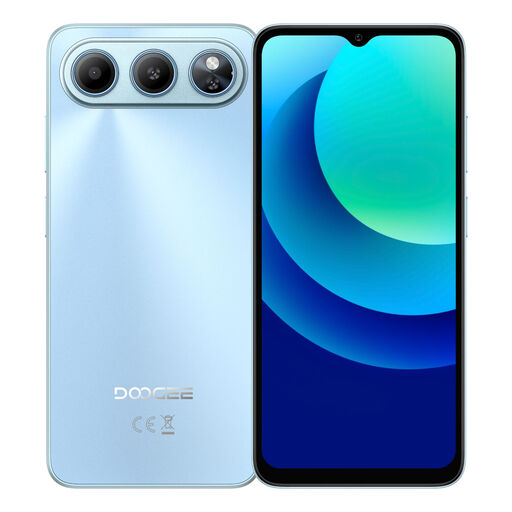
Why this product suits this profile: Its stated 6,150 mAh capacity is aimed at people who spend a lot of time communicating, navigating or enjoying media on the go and want to charge less often.
The product details list the battery capacity alongside the processor, RAM and expandable storage, so it can be assessed in context.
6,150 mAh, Dual SIM support and microSD expansion according to the product description.
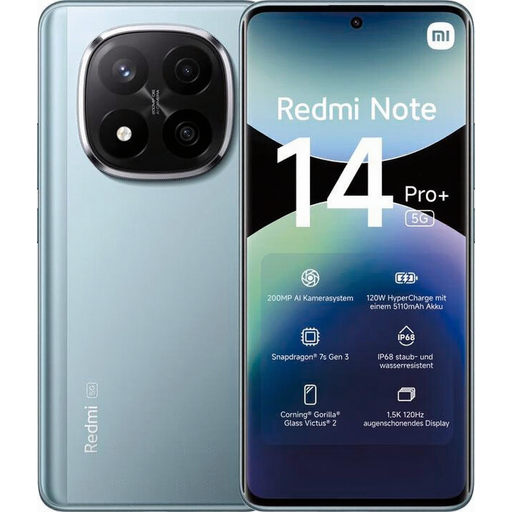
Why this product suits this profile: This Redmi model combines 5G, Dual SIM, 256 GB of storage and a 5,110 mAh battery. The listing states that it’s an official EEA version with Google services and a two-year warranty.
The listing description specifically states the regional version, Google services, OTA updates and warranty details.
5G, 256 GB, Dual SIM, 5,110 mAh and support for 120 W fast charging according to the product details.
We’ve put together a complete, regularly updated list of products that meet these strict selection criteria and fully comply with the safety regulations in force in the EU.
128 GB is often enough for basic use. 256 GB gives you more room for photos, apps and offline content. If you regularly store high-resolution videos or plan to keep your phone for a long time, you could choose 512 GB. A memory card is only an option if the model has a suitable slot.
With a suitable tariff and network coverage, 5G can offer faster data speeds and lower latency. However, 4G is still enough for calls, messaging and occasional streaming. The right choice depends on your tariff, where you live, your commute and how long you plan to use the phone.
Check whether the product page specifies an official EU or EEA version, a clear warranty period and a responsible point of contact. Keep your receipt, order confirmation and proof of any accessories. If you’re buying an imported device, also check before you buy who will handle any warranty claim.